For many years, climate change sat outside traditional security discussions in Libya. Policymakers focused on political instability, economic pressures, border management, and armed groups. Yet climate-related risks increasingly affect the same areas that shape national security and state resilience.
Across North Africa, governments now view climate change as more than an environmental issue. Rising temperatures, water scarcity, extreme weather events, and pressure on critical infrastructure carry direct implications for economic stability and public security. Libya faces many of these challenges despite its vast territory and significant natural resources.
As climate pressures intensify, they could shape Libya’s security environment in ways that deserve greater attention.
Water Stress and Resource Competition
Libya ranks among the world’s most water-scarce countries. Most of its population depends on limited groundwater resources, while agriculture relies heavily on water-intensive practices in an already arid environment.
The Great Man-Made River remains one of Libya’s most important strategic assets, supplying water to major urban centers and agricultural regions. Any disruption to this system, whether from infrastructure failures, environmental degradation, or extreme weather events, could have consequences far beyond the water sector.
Water scarcity can also place additional pressure on local communities. In rural areas, declining water availability threatens agricultural livelihoods and increases economic vulnerability. While Libya has not experienced large-scale resource conflicts linked directly to climate pressures, regional experience suggests that competition over scarce resources can become a security concern when governance structures weaken.
Extreme Weather and Infrastructure Vulnerability
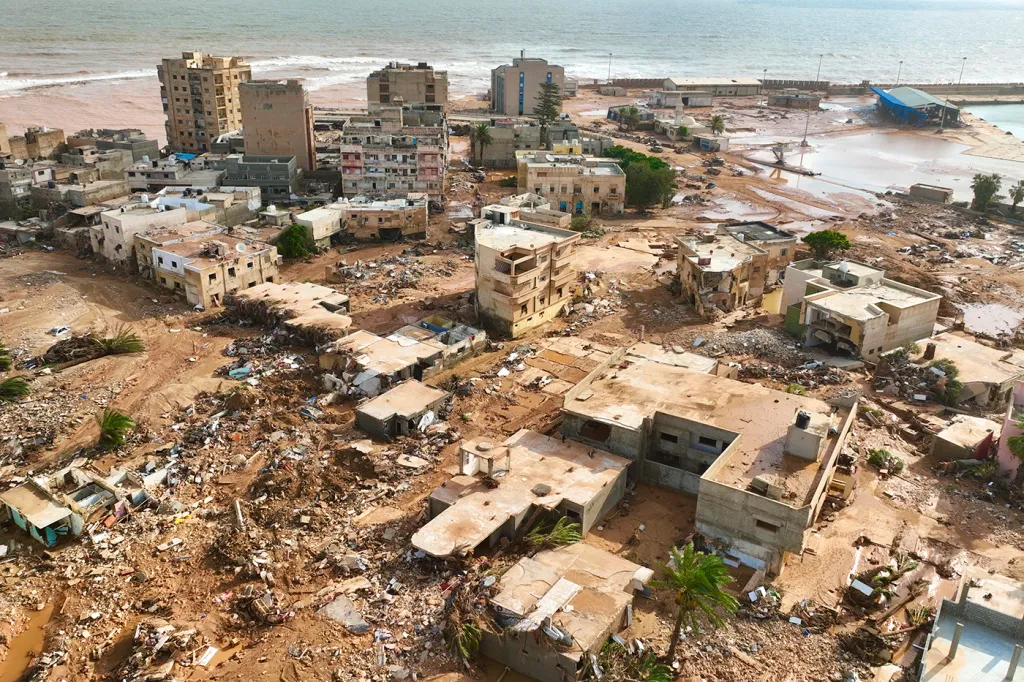
The devastating floods that struck eastern Libya in September 2023 demonstrated how environmental events can quickly evolve into national security challenges. Beyond the tragic loss of life, the disaster exposed weaknesses in infrastructure resilience, emergency preparedness, and crisis response mechanisms.
Climate models project that North Africa will experience more frequent and severe weather extremes in the coming decades. For Libya, this could mean increased risks from flash floods, heatwaves, and coastal erosion.
Critical infrastructure remains particularly exposed. Transport networks, power facilities, water systems, and energy installations all face growing environmental risks. Protecting these assets has traditionally fallen within economic planning. Increasingly, however, infrastructure resilience forms part of broader national security planning.
Climate Pressures and Population Movement
Climate change rarely acts as a single driver of migration. Instead, it compounds existing economic and social pressures.
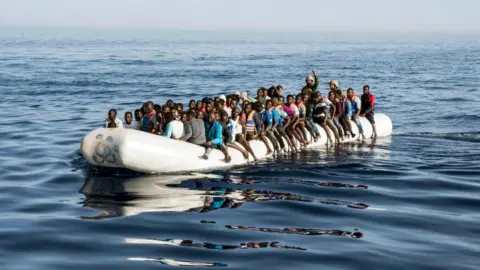
Across the Sahel, environmental degradation and desertification continue to affect livelihoods and local economies. These trends contribute to population movements that often extend beyond national borders. Given Libya’s geographic position between Sub-Saharan Africa and Europe, regional climate pressures may influence migration dynamics across the central Mediterranean over the long term.
This does not mean climate change alone will drive migration flows. However, security planners increasingly recognize that environmental stress can amplify existing challenges linked to mobility, border management, and humanitarian response.
Integrating Climate Risks into Security Planning
Libya’s security priorities will continue to focus on political stability, economic development, and institutional strengthening. Yet climate-related risks increasingly intersect with each of these objectives.
Addressing climate security does not require a separate policy framework. Instead, it requires incorporating environmental risks into infrastructure planning, water management, disaster preparedness, and long-term development strategies.
Many countries across North Africa have already begun integrating climate resilience into national security discussions. Libya has an opportunity to do the same.
Climate change may not represent Libya’s most immediate security challenge. However, its effects will shape the country’s economic resilience, infrastructure security, and resource management for decades to come. Recognizing those links today could help reduce vulnerabilities tomorrow.