Libya’s Industrial Corridors: Emerging Engines of Economic Recovery
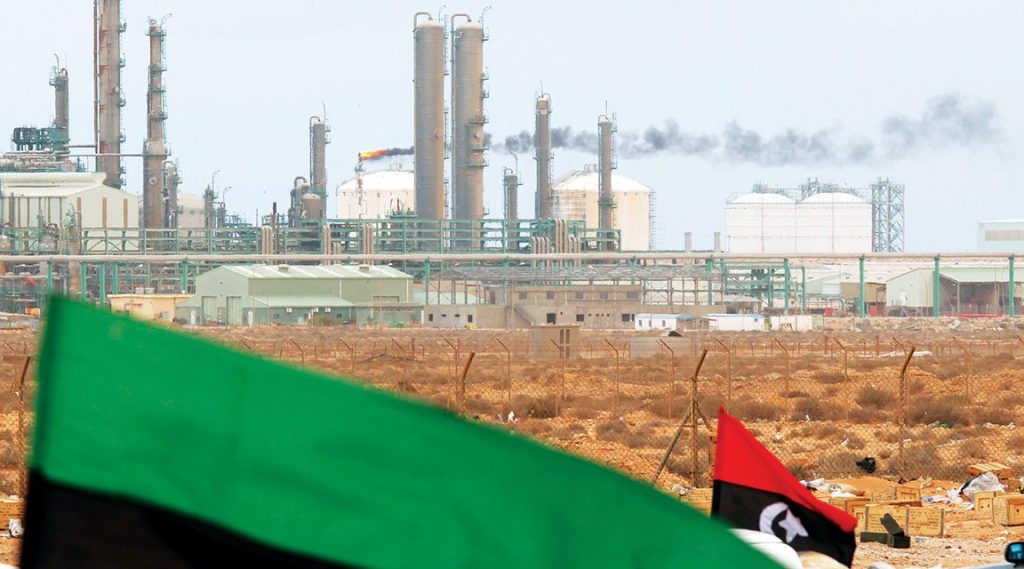
Libya’s pathway to economic recovery has long been framed through energy. Oil and gas remain central to state revenue and foreign exchange. Yet a second story is emerging, one centered on manufacturing, logistics, and the rise of Libya’s industrial corridors. What began as isolated free zones and fragmented industrial estates is evolving into a network of production spaces with potential to reshape Libya’s economic geography. If nurtured, these zones could anchor diversification, generate employment, and reduce structural fragility tied to hydrocarbons.
For decades, the manufacturing sector was overshadowed by oil. Factories built in the 1970s and 1980s fell into disrepair, supply chains atrophied, and local markets shrank under imports. Industrial zones became symbols of unfulfilled ambition. Since 2021, reconstruction efforts, private investment, and municipal leadership have begun breathing life into these corridors. The question now is whether Libya can translate early momentum into sustained industrial revival or if political fragmentation will stifle progress.
Libya’s Industrial Corridors: A New Economic Geography Takes Shape
Across Libya’s coastline and inland hubs, industrial clusters are re-emerging. Misrata is most advanced, with its free zone acting as a manufacturing platform linked to port logistics. Steel mills, metal workshops, food-processing plants, and machinery repair facilities anchor a dense economic ecosystem. Misrata demonstrates that industrial recovery is possible when local institutions are empowered.
Benghazi’s industrial belt is undergoing a slow but important recovery. Reconstruction contracts revived demand for cement, steel, plumbing materials, and construction equipment. Local investors refurbished abandoned industrial plots, and municipal authorities prioritized infrastructure rehabilitation. Benghazi’s position as the east’s commercial capital makes its industrial renewal a bellwether for broader economic stability.
The Jufra–Sebha corridor is gaining strategic relevance. Historically a crossroads for trade into the Sahel, it now hosts logistics hubs and small-scale manufacturing workshops servicing agriculture, transport, and repair services. Though modest compared to coastal zones, it connects northern industries to southern markets.
The Western Mountains are increasingly central to agro-industrial development. Zintan, Nalut, and Yefren invested in food processing, olive-oil production, packaging, and cold-storage infrastructure. These industries serve domestic markets and could fuel cross-border trade with Tunisia and southern Europe.
Taken together, these corridors show that economic life in Libya is reorganizing around functional local centers rather than national politics. This shift empowers municipalities but exposes gaps in national coordination.
Structural Advantages and Persistent Constraints
Libya benefits from a young labor force, abundant energy, and strategic geography linking the Sahel, Maghreb, and Mediterranean. With planning, it could become a manufacturing gateway for African and Mediterranean markets.
Constraints remain. Electricity supply is inconsistent, roads are inadequate, and industrial infrastructure is damaged. Regulatory fragmentation between east and west creates uncertainty for investors. Currency instability and banking barriers complicate capital mobilization. Security is more stable than previous years, but supply chains crossing remote areas face informal checkpoints or disputes. The skills gap remains significant, with technical competencies in short supply.
Despite these obstacles, Libya’s industrialization is possible with institutional reforms, coordinated investment, and predictable governance.
Municipal Leadership: Driving Growth in Libya’s Industrial Corridors
Since 2021, municipalities have become central to industrial development. Misrata’s free zone operates with governance insulating it from political fluctuations, allowing infrastructure management, investor regulation, and security coordination. The port-industry nexus gives the city a competitive advantage.
Zliten fosters a cluster of food-processing and packaging businesses, supported by vocational training centers and domestic investors. Sebha’s industrial recovery is uneven but meaningful, restoring workshops, logistics depots, and agricultural processing. These examples show industrial development succeeds where local governance works, with support from international organizations such as UNIDO helping to guide industrial policy, vocational training, and investment facilitation.
Regional Value Chains and Cross-Border Integration
Libya’s industrial corridors are part of a broader Mediterranean and North African system. Tunisia and Algeria are immediate partners, importing raw materials and semi-processed goods. Egypt presents opportunities for joint ventures in agriculture, textiles, construction materials, and machinery assembly. European firms remain interested in port-adjacent manufacturing for energy, construction, and food processing.
The Sahel is strategically important. Southern towns could serve as logistics centers for trade into Niger, Chad, and beyond. Coastal industrial goods could feed these markets, reinforcing Libya’s role as a regional economic gateway.
Investment Climate: Slow Progress but Real Openings
Foreign investment remains cautious but not absent. Companies from Italy, Turkey, Egypt, and Gulf states express interest. Local private sectors in Misrata and Benghazi are increasingly active, investing in steel, plastics, food, construction, and machinery.
Barriers remain: banking restrictions, dual administrations, unclear licensing, and customs processes. Central Bank reforms have improved liquidity, but deeper structural reform is needed. Security guarantees remain decisive. Municipalities coordinating security effectively have an advantage.
Incremental trends show progress: industrial zones standardize land-use contracts, clarify investment rules, and establish commercial courts to handle disputes, signaling a maturing institutional environment.
Future Trajectories
Libya’s industrial future could follow three paths:
- Accelerated growth of industrial corridors with nodes in Misrata, Benghazi, Sabha, and Zliten linked to ports and markets.
- Selective consolidation with uneven development and regional disparities.
- Stagnation due to political fragmentation, regulatory uncertainty, and infrastructure gaps.
The trajectory will depend on institutional discipline, municipal leadership, vocational training, and investor willingness.
Anchoring Libya’s Next Phase of Recovery
Libya’s industrial revival is real. Manufacturing zones, logistics hubs, and free zones are emerging as engines of growth. They create stability rooted in production, employment, and municipal governance rather than hydrocarbons.
With continued investment, empowered municipalities, vocational expansion, and predictable regulations, industrialization could underpin a diversified economy. Otherwise, Libya risks repeating cycles of unfulfilled potential. Industrial transformation is not only an economic project—it is strategic, potentially anchoring Libya’s stability, productivity, and sovereignty.