Libya’s long-anticipated national elections may finally be approaching, but the question of whether the country’s security environment can sustain a credible vote remains unresolved. In recent statements, Libya’s High National Elections Commission (HNEC) has reiterated that it is technically ready to organize presidential and parliamentary elections in 2026, potentially as early as the spring if political authorities finalize the necessary legal and security arrangements.
For many Libyans, the announcement has revived cautious hopes that the country might eventually move beyond its prolonged transitional phase. Yet the practical obstacles surrounding the electoral process remain considerable. Political divisions, militia influence, and unresolved institutional disputes continue to raise questions about whether elections can take place in a stable and secure environment.
A Long-Delayed Political Transition
Libya’s electoral ambitions must be understood within the broader context of its unresolved political transition. Since the fall of Muammar Gaddafi in 2011, the country has struggled to rebuild unified state institutions. Rival governments, competing legislatures, and fragmented security forces have prevented the consolidation of national authority.
A major attempt to restore political legitimacy through elections collapsed in December 2021, when disputes over candidate eligibility and constitutional rules forced authorities to postpone the planned presidential vote indefinitely.
Since then, Libya has remained divided between rival political centers in the east and west. Although a ceasefire reached in 2020 significantly reduced large-scale fighting, the political process has remained stalled, leaving the country governed by competing institutions whose mandates are widely seen as expired.
In this context, the possibility of elections in 2026 represents more than a routine political event. It could serve as a crucial test of Libya’s ability to rebuild national legitimacy through democratic institutions.
Technical Readiness vs Political Reality
Officials from HNEC have repeatedly emphasized that the commission is technically prepared to administer national elections. The body, created in 2012 following Libya’s revolution, has organized several electoral processes including parliamentary and municipal elections in previous years.
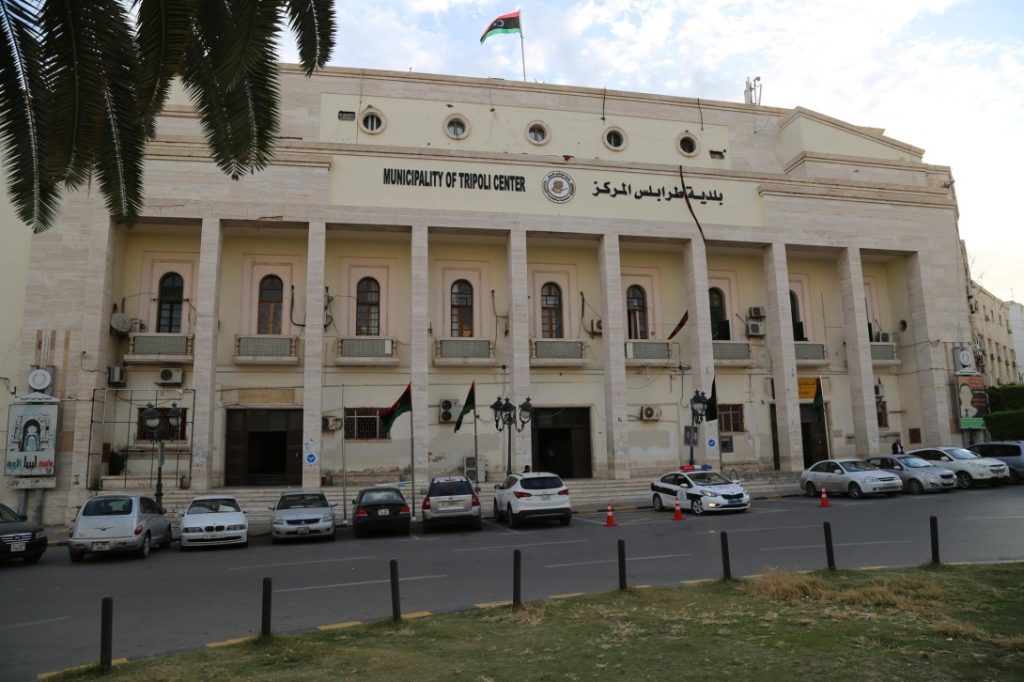
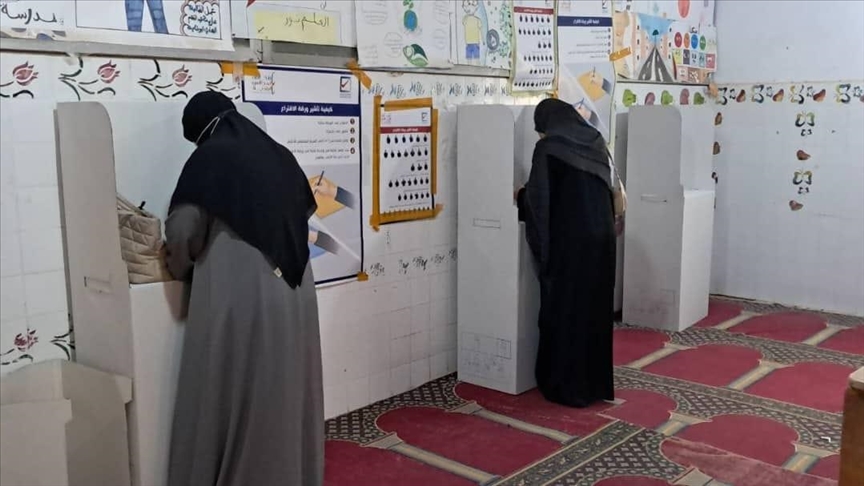
Preparations for the 2026 vote have included updating voter registries, coordinating with municipal authorities, and planning logistics for polling stations across the country.
However, technical readiness alone does not guarantee a viable election. The broader political environment remains deeply contested, and key actors continue to disagree over fundamental questions such as the powers of the presidency, candidate eligibility rules, and the sequencing of presidential and parliamentary elections.
Without consensus on these issues, the risk of another electoral postponement remains significant.
Militia Influence and Security Challenges
Beyond political disagreements, security conditions pose one of the most serious obstacles to Libya’s electoral ambitions. More than a decade after the collapse of the Gaddafi regime, armed groups continue to exert substantial influence over Libya’s political and economic institutions.
In the capital Tripoli, rival militias have periodically clashed for control of strategic facilities and government institutions. Fighting in May 2025, triggered by the assassination of a powerful militia leader, demonstrated how quickly localized tensions can escalate into urban conflict.
Although a ceasefire restored relative calm, such incidents highlight the persistent role of armed actors in shaping Libya’s political environment.
These dynamics raise important questions about electoral security. Polling stations, electoral offices, and voter registration centers could all become potential targets in areas where armed groups compete for authority. In some cases, militias may attempt to influence voting outcomes by intimidating voters or controlling access to polling locations.
Even in the absence of direct violence, the presence of armed actors could undermine public confidence in the integrity of the electoral process.
Institutional Fragmentation
Another challenge stems from Libya’s fragmented institutional landscape. The country currently operates under overlapping political bodies, including the House of Representatives in eastern Libya, the High Council of State in Tripoli, and the Presidential Council that functions as a provisional head of state.
Each of these institutions holds different views regarding the structure of future governance. Disagreements over constitutional arrangements have repeatedly stalled attempts to finalize the legal framework required for national elections.
This institutional fragmentation complicates the electoral process in several ways. Competing authorities may issue conflicting directives, while local administrations in different regions could respond to separate political leaderships. In such an environment, organizing a nationwide vote becomes significantly more complex.
Moreover, political actors may view elections less as a democratic exercise and more as a strategic contest for control over state institutions and economic resources.
Public Expectations and Political Legitimacy
Despite these obstacles, public demand for elections remains strong. Surveys and turnout in previous municipal elections suggest that many Libyans see the ballot box as the only viable path toward restoring political legitimacy and ending the country’s prolonged transitional period.
Years of political stalemate have generated widespread frustration with Libya’s governing elites. Rival administrations have struggled to deliver consistent governance, while corruption, economic uncertainty, and public service failures have eroded confidence in state institutions.
For many citizens, elections represent an opportunity to reset the political system and create a leadership with a clearer democratic mandate.
The Role of International Actors
International diplomacy continues to play an important role in Libya’s electoral process. The United Nations Support Mission in Libya (UNSMIL) has been actively involved in mediating political disputes and proposing frameworks aimed at overcoming electoral deadlock.
External actors have repeatedly emphasized that credible elections are essential for stabilizing Libya and preventing renewed conflict. At the same time, international involvement must balance diplomatic support with respect for Libya’s internal political dynamics.
Over the past decade, foreign intervention has often complicated Libya’s political landscape. Competing external interests have at times reinforced internal divisions rather than encouraging compromise among Libyan factions.
A Crucial Test for Libya’s Future
As discussions around a potential 2026 vote continue, Libya stands at a critical juncture in its political transition. More than a decade after the collapse of the Gaddafi regime, the country remains characterized by institutional fragmentation, competing political authorities, and a security landscape shaped by powerful armed actors. In this context, elections represent not only a political event but also a test of whether Libya’s current governance and security structures can support a credible national process.
While the High National Elections Commission appears technically prepared to administer a vote, the key obstacles remain political and security-related rather than logistical. The absence of a clear consensus among rival political institutions continues to complicate the establishment of a unified electoral framework. At the same time, militia influence across several regions raises concerns about the neutrality of the security environment in which elections would take place.
If national actors are able to reach an agreement on electoral rules while coordinating security arrangements capable of safeguarding polling infrastructure and voter participation, elections could serve as an important step toward restoring political legitimacy and rebuilding unified state institutions. However, without meaningful guarantees addressing militia influence and institutional rivalry, the electoral process risks producing contested outcomes that could deepen Libya’s existing political divisions.
Ultimately, the viability of elections in 2026 will depend less on technical readiness than on the willingness of Libya’s political and security actors to accept the outcome of the vote. Until such conditions are established, the prospect of national elections will remain uncertain, reflecting the broader challenges that continue to shape Libya’s unfinished political transition.