Libya Digital Infrastructure Eyes a Connected Future
Libya’s digital transformation is accelerating in late 2025, reshaping everything from security operations to economic activity. After years of fragmented telecommunications networks and outdated infrastructure, recent upgrades to fiber-optic routes, data centers, and mobile connectivity are creating new opportunities. For Libya, digital modernization is no longer an optional reform, it has become a core component of national stability and future economic growth.
Libya Digital Infrastructure: Fiber Expansion and Connectivity Upgrades
For most of the past decade, Libya’s telecommunications development lagged behind regional competitors due to conflict, budget shortfalls, and infrastructure damage. But in 2024–2025, a coordinated modernization push began gaining momentum.
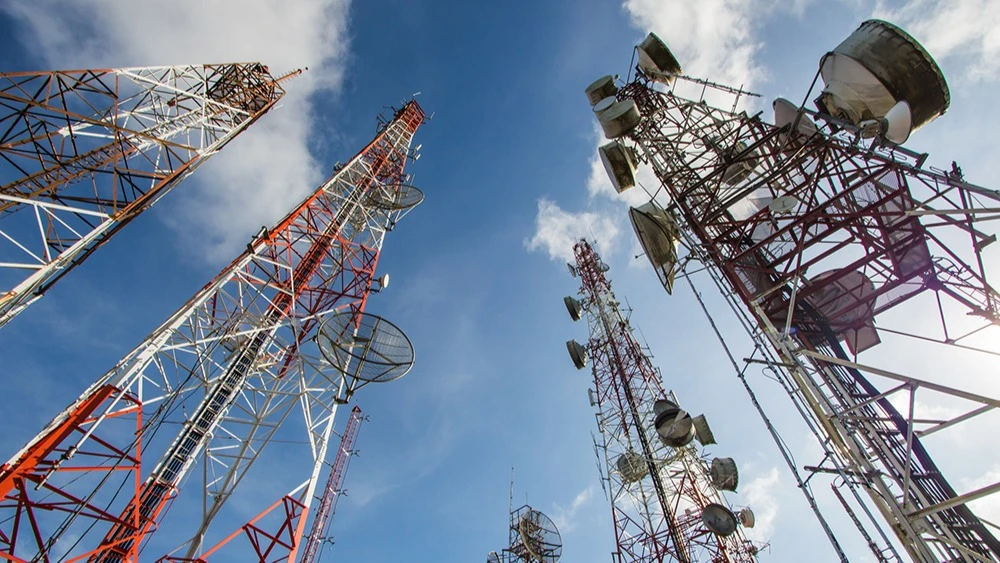
The Libyan Post, Telecommunications, and Information Technology Company (LPTIC) expanded several major fiber corridors connecting Tripoli, Misrata, Benghazi, and Sabha. In 2025, work accelerated along the east–west coastal backbone, improving bandwidth and reducing outages. Municipalities in the south, long underserved, saw new fiber links installed to support administrative services, schools, and health centers.
These upgrades are improving stability across the digital ecosystem. Faster, more reliable internet strengthens business operations, supports financial institutions, and creates the foundation for digital government services. For ordinary Libyans, improved connectivity reduces the daily frustration of slow or unreliable networks and supports social and economic participation.
International partners have also contributed. European and Gulf telecommunications companies have provided equipment and technical expertise, helping Libyan operators upgrade switching centers, expand LTE coverage, and lay the groundwork for future 5G deployment. While 5G remains a medium-term goal, the strategic planning taking place in 2025 suggests Libya is positioning itself to join broader Mediterranean digital networks in the coming years.
Digital Infrastructure Is Strengthening Security and State Coordination
Improved digital networks are also having a direct impact on Libya’s security landscape. Many security agencies have historically relied on fragmented communication channels, creating gaps in coordination and delaying responses to incidents. Modernized digital infrastructure is helping close these gaps.
New secure communication systems are being rolled out to police units, border forces, and municipal security centers. These systems allow for faster coordination during operations, improved data-sharing, and real-time tracking of incidents across multiple regions. Enhanced connectivity is also supporting Libya’s growing reliance on drone surveillance in strategic areas, including coastal monitoring and desert patrols.
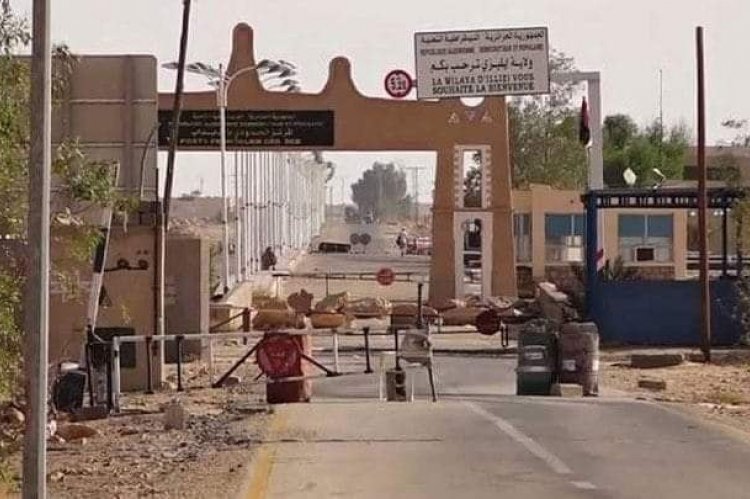
Digital upgrades are improving the ability of different institutions, often operating under separate administrations, to coordinate. Shared platforms for database access, emergency alerts, and logistics tracking are becoming more common. These tools are especially important for border operations, where fragmented communication used to allow smugglers and armed groups to exploit blind spots.
Cybersecurity is also emerging as a national priority. In late 2025, Libyan authorities began drafting updated cybersecurity guidelines with support from European experts. These guidelines aim to protect critical infrastructure from cyberattacks, safeguard financial systems, and ensure the integrity of public services. In a country managing complex political dynamics, stronger cybersecurity provides a necessary layer of institutional resilience.
A Digital Economy Emerges as Businesses and Startups Embrace New Tools
Libya’s private sector is increasingly leveraging improved digital connectivity. SMEs, tech entrepreneurs, and service providers are adopting digital tools to streamline operations and expand market reach. Several sectors—finance, logistics, retail, and creative industries, have shown rapid growth as digital access becomes more reliable.
Online payment systems have seen significant expansion in 2025. Banks and fintech firms now provide mobile banking, digital wallets, and online transaction services that were previously limited by inconsistent network coverage. These systems make it easier for businesses to accept payments, manage inventory, and operate more efficiently.
Digital entrepreneurship is gaining traction as well. Libya’s startup community, centered largely in Tripoli, Misrata, and Benghazi, has grown visibly over the past year. Co-working spaces are hosting more events, incubators are launching new training programs, and young Libyans are increasingly developing apps and digital services tailored to local needs. Reliable connectivity allows these entrepreneurs to participate in regional tech ecosystems and access global markets.
The logistics sector is also benefiting from digital upgrades. Shipping companies, warehouses, and transport operators are adopting tracking systems, digital manifests, and scheduling software. These tools improve efficiency, reduce delays, and support Libya’s broader goal of modernizing trade corridors and port operations.
The combined effect is the emergence of a functional digital economy that supports innovation, job creation, and diversification, key components of Libya’s long-term development strategy.
Education and Public Services Are Becoming More Accessible Through Digital Tools
Digital infrastructure upgrades are reshaping Libya’s public services and education systems. Schools and universities are increasingly using online platforms for coursework, communication, and research. Remote-learning capacities, once limited, have improved as more institutions gain access to stable high-speed internet.
Healthcare facilities are also integrating digital systems. Electronic patient records, telemedicine consultations, and online appointment scheduling are being piloted in several cities. These improvements are especially important for rural communities, which often face shortages of medical specialists.
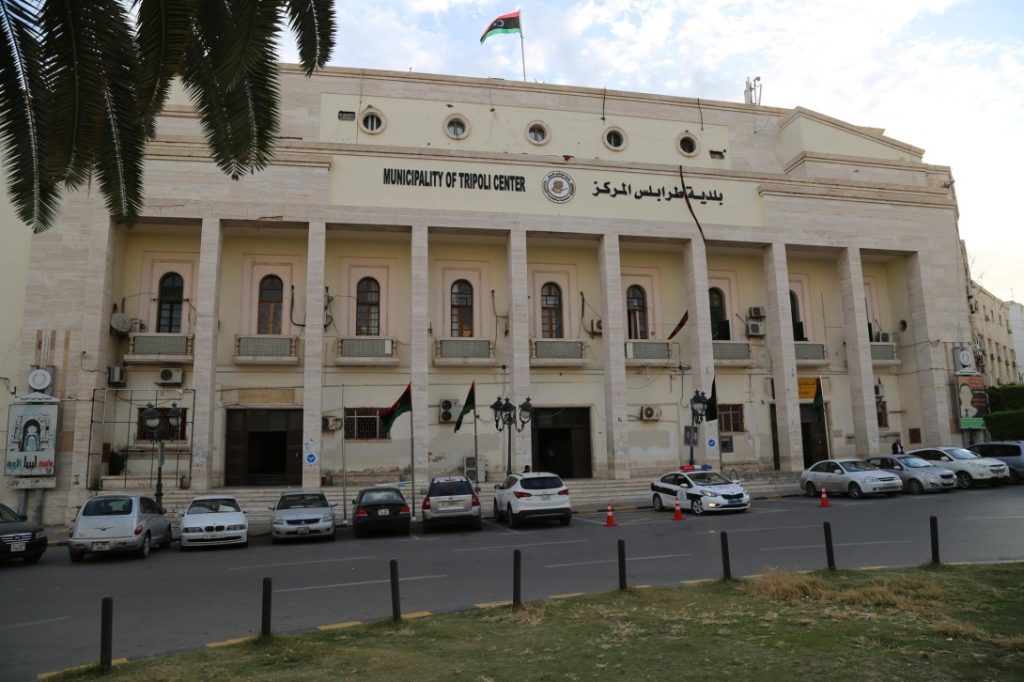
Digital government initiatives are expanding across multiple sectors. Municipalities are testing online portals for administrative services such as civil registry documentation, licensing, and fee payments. While implementation is uneven, the direction is clear: Libya is moving toward a more digital, efficient, and transparent model of public service delivery.
As these systems mature, they could reduce bureaucratic delays, combat corruption, and rebuild trust in government institutions. For citizens, digital public services offer convenience, accessibility, and improved quality of life.
Libya Digital Infrastructure: Regional Connectivity Across Mediterranean and Sahel
Libya’s digital infrastructure push is also improving the country’s position in regional networks. Along the Mediterranean, better connectivity strengthens cooperation with European partners working on cybersecurity, telecommunications regulation, and digital trade. These partnerships can enhance Libya’s ability to integrate into cross-Mediterranean digital platforms and support future energy or logistics projects.
To the south, improved digital links between Sabha, Ghat, and Ghadames support coordination with Sahelian partners. Communication between Libya, Niger, and Chad is increasingly supported by digital tools for border management, early-warning alerts, and intelligence sharing. These systems help track cross-border activity and improve coordination against smuggling networks.
Digital modernization is therefore expanding Libya’s strategic reach, enhancing both its economic potential and its security posture.
Libya’s Digital Future Is Becoming Central to Its Stability
As 2025 ends, digital modernization has emerged as one of Libya’s most promising pathways to stability and growth. Connectivity upgrades are supporting national security, strengthening public services, and empowering a new generation of entrepreneurs. They are creating the foundation for a diversified, resilient, and forward-looking economy.
Challenges remain, political fragmentation, inconsistent investment, and cybersecurity threats, but momentum is clearly building. If Libya sustains this progress into 2026, digital infrastructure could become one of the country’s most important assets, linking security, governance, and economic opportunity in ways that support long-term national recovery.