Libya Municipal Governance Reform and the Challenge of Local Stability
Libya municipal governance reform is emerging as a central test of political stability in 2026, as local institutions face growing expectations to deliver services, manage security coordination, and absorb public frustration in the absence of a unified national government. While municipalities were designed to decentralize authority and bring governance closer to citizens, their actual capacity remains uneven. The coming year will determine whether municipal reform becomes a stabilizing force or another layer of institutional strain.
Libya Municipal Governance Reform in Local Security Coordination
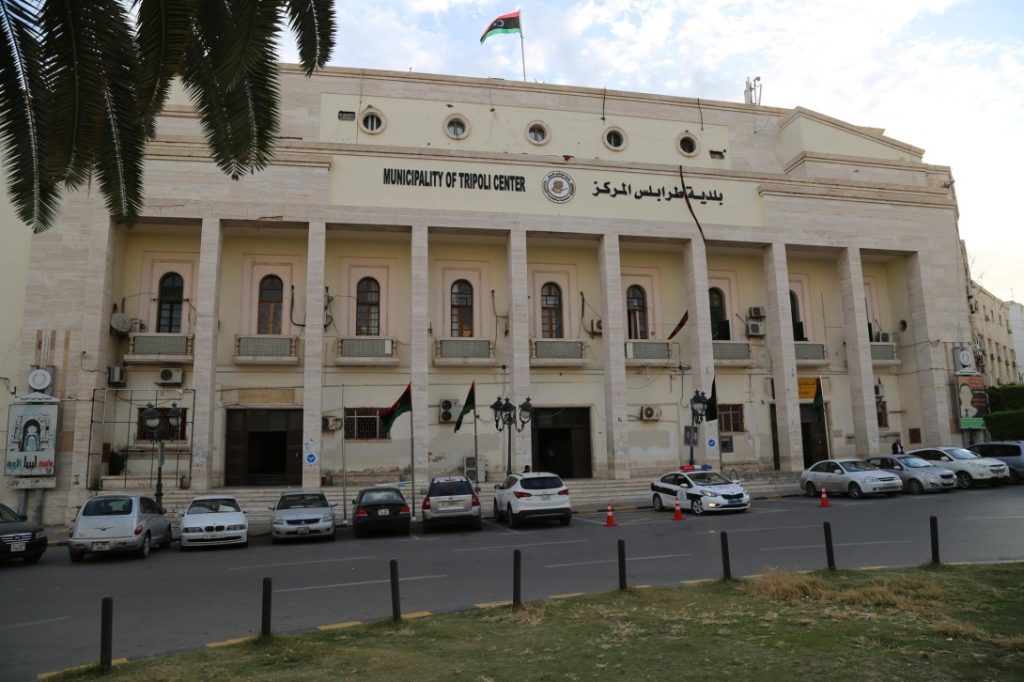
Since the fragmentation of national authority, municipalities have become the most visible state presence in many Libyan cities. Local councils now handle community mediation, service coordination, and crisis response, often filling gaps left by ministries. In 2026, international partners increasingly frame municipal governance reform as a pragmatic pathway to stability. Rather than waiting for national reconciliation, donors and UN agencies prioritize strengthening what already functions at the local level.
This shift reflects political reality. Municipal elections, although inconsistent, remain among the few mechanisms through which Libyans can express political choice. Where councils maintain legitimacy, they act as shock absorbers during fuel shortages, electricity cuts, and security incidents. However, legitimacy alone does not guarantee effectiveness. Without resources, authority, and legal clarity, municipalities risk being overwhelmed by responsibilities they cannot meet.
Libya Municipal Governance Reform and the Limits of Legal Decentralization
Libya municipal governance reform remains constrained by an incomplete legal framework. While laws nominally grant municipalities administrative autonomy, implementation is selective and reversible. Central authorities retain control over budgets, payrolls, and service delivery sectors. In practice, municipalities are responsible for outcomes without control over inputs.
This contradiction undermines reform. Councils struggle to plan or execute long-term projects when funding arrives late or not at all. In some cases, mayors negotiate directly with armed groups or private suppliers to keep services running, blurring institutional boundaries. These informal arrangements may preserve short-term stability but weaken governance norms. In 2026, reform debates increasingly focus on whether decentralization will be symbolic or substantive.
Fiscal Constraints and Uneven Capacity
Financial dependency remains the most serious obstacle to Libya municipal governance reform. Municipalities rely heavily on transfers from the central government, which are vulnerable to political disputes and revenue fluctuations. Wealthier municipalities with access to ports, trade corridors, or local industry often supplement budgets informally, while smaller or conflict-affected towns fall behind.
Capacity disparities widen regional inequality. Some councils manage procurement, auditing, and planning with technical competence, while others lack basic administrative systems. International support programs attempt to close these gaps, but progress is slow. Without predictable financing and standardized oversight, municipal reform risks deepening fragmentation rather than correcting it.
Libya Municipal Governance Reform and Local Security Coordination
In 2026, municipal councils play a growing role in security coordination despite lacking formal command authority. Councils convene local security committees, mediate between armed actors, and coordinate with police units. This role is especially pronounced in cities where national security forces are divided or absent.
While this involvement enhances local stability, it also exposes municipalities to risk. Councils must balance neutrality with pragmatism, engaging armed groups without legitimizing them. Where municipal leadership is strong and inclusive, security coordination reduces violence. Where councils are weak or politicized, involvement can inflame tensions. Libya municipal governance reform must therefore clarify the boundaries between civil administration and security engagement.
Service Delivery and the Accountability Gap
Municipal performance is judged primarily through service delivery. Residents expect councils to resolve electricity outages, water shortages, and waste management failures. Yet most utilities remain under central control. This creates an accountability gap that undermines public trust. Citizens blame local officials for failures they cannot fix.
In response, some municipalities improve communication, explaining constraints while advocating upward. Others rely on ad hoc solutions such as private generators or local contractors. These measures provide relief but are financially unsustainable. In 2026, successful municipal governance reform depends on aligning authority with responsibility, especially in essential services.
Coordination with State-Owned Service Providers
Another dimension shaping Libya municipal governance reform in 2026 is the relationship between municipalities and state-owned service providers. Electricity, water, sanitation, and fuel distribution remain centrally controlled, yet their operational failures are felt locally. Municipal councils are often blamed for outages and shortages despite lacking authority over infrastructure or supply chains. This accountability mismatch places municipalities in a politically vulnerable position.
In response, some councils have begun formalizing coordination mechanisms with service providers. Joint task forces, shared reporting channels, and escalation protocols improve responsiveness even without formal authority. Where coordination exists, service disruptions are addressed more quickly and communication with residents improves. However, these arrangements remain informal and uneven across regions.
Clarifying Responsibility in a Fragmented System
This informal coordination also exposes municipalities to reputational risk when national providers fail to deliver. In 2026, reform discussions increasingly acknowledge the need to clarify roles between central utilities and local authorities. Without clearer mandates, municipalities risk becoming buffers for institutional failure rather than engines of stability.
Strengthening service-level agreements, data sharing, and response timelines would allow municipalities to manage expectations while preserving accountability at the appropriate level. Municipal reform cannot succeed in isolation. It must be synchronized with reforms in state-owned enterprises and sectoral governance. In a fragmented system, clarity of responsibility is as important as decentralization itself.
Human Capital, Training, and Institutional Professionalization
A critical but often underexamined pillar of Libya municipal governance reform in 2026 is human capital. Many municipal councils are staffed by individuals with limited formal training in public administration, budgeting, or strategic planning. This is not a failure of commitment, but a structural consequence of prolonged institutional collapse. Expecting municipalities to perform complex governance functions without professional development creates unrealistic benchmarks.
Some progress is visible. Targeted training programs supported by international partners focus on procurement compliance, financial management, and crisis coordination. Where sustained, these initiatives improve performance and reduce reliance on informal networks. However, training remains fragmented and project-based, lacking national standards or career pathways. Staff turnover further weakens institutional memory.
Professionalization is therefore central to long-term reform. Establishing municipal civil service frameworks, standardized job descriptions, and merit-based recruitment would gradually transform councils from political forums into administrative institutions. In 2026, municipalities that invest in human capital demonstrate greater resilience under pressure. Without such investment, decentralization risks devolving dysfunction rather than authority.
Public Trust and Political Legitimacy
Municipal legitimacy depends not only on elections but on performance. Councils that resolve disputes, communicate transparently, and engage civil society maintain public confidence even amid hardship. Others face protests, boycotts, or internal divisions. Libya municipal governance reform must therefore prioritize civic engagement, grievance mechanisms, and transparency.
Digital tools increasingly support these efforts. Some municipalities publish budgets, service updates, and meeting minutes online. While limited in reach, these initiatives signal accountability and professionalism. In 2026, legitimacy will be measured less by formal mandates and more by daily interaction with citizens.
The Strategic Outlook for 2026
Libya municipal governance reform stands at a crossroads. Municipalities are neither a substitute for national governance nor a temporary workaround. They are structural components of Libya’s future political order. Strengthening them requires legal clarity, fiscal decentralization, and institutional protection from political interference.
If reform advances, municipalities can stabilize communities, reduce conflict drivers, and rebuild trust from the ground up. If it stalls, local institutions may collapse under unrealistic expectations. In 2026, the success of municipal governance reform will not depend on ambition, but on whether authority, resources, and accountability finally align.