Libya Renewable Energy Transition and the Shift Toward Energy Stability
Libya renewable energy transition has moved beyond symbolism and pilot experimentation and is now entering a phase where policy coherence, institutional coordination, and grid reform determine its credibility. For a country long defined by hydrocarbons, renewable energy is no longer framed as an alternative to oil but as a strategic complement to energy security, fiscal stability, and regional integration.
Libya’s electricity crisis remains acute. Demand growth, aging infrastructure, fuel supply disruptions, and grid losses continue to undermine reliability. In 2026, renewable energy is no longer discussed primarily in environmental terms. It is treated as an instrument of resilience. Solar and wind projects are evaluated against their ability to reduce diesel dependence, stabilize generation costs, and insulate the power sector from political and fiscal shocks.
The shift from pilot projects to policy is uneven, but it is unmistakable. The central question is no longer whether Libya will pursue renewable energy, but whether the transition can be institutionalized within a governance system still shaped by fragmentation and rent-based incentives.
Libya Renewable Energy Transition to Strategic Assets
Libya’s early renewable energy projects were largely symbolic. Small solar installations at hospitals, telecom towers, and municipal buildings demonstrated technical feasibility but had limited systemic impact. These projects were often donor-funded, operated outside the national grid, and lacked integration with long-term capacity planning.
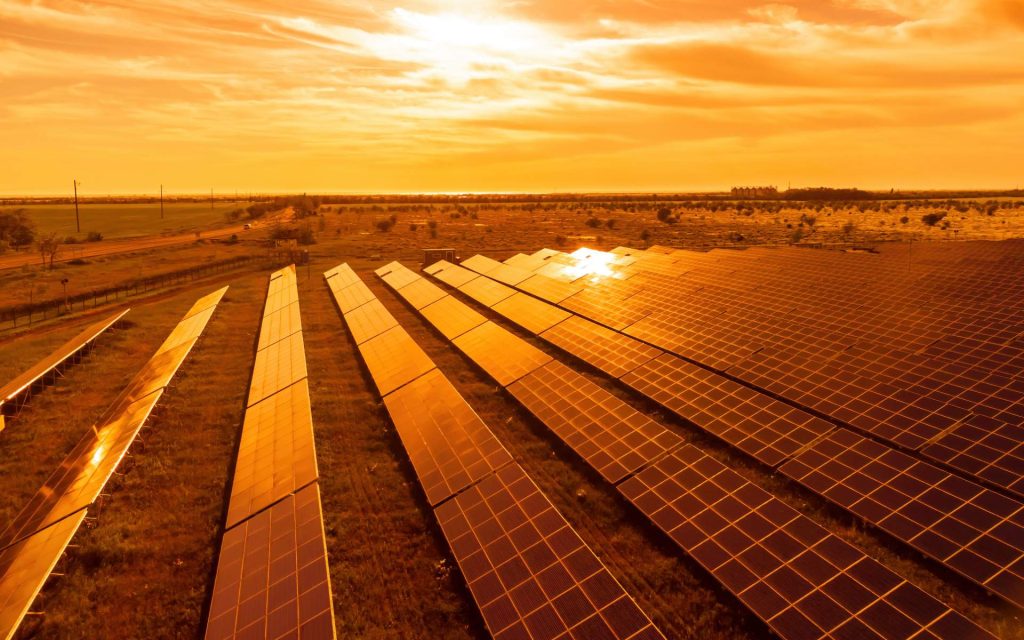
By 2026, that phase is ending. The General Electricity Company of Libya has incorporated renewable generation into its medium-term planning framework. Grid-connected solar projects near Tripoli, Misrata, and Benghazi are no longer treated as experiments but as load-bearing components of the electricity system. The focus has shifted from headline capacity announcements to dispatchability, storage compatibility, and grid stability.
This transition reflects a hard lesson. Libya does not suffer from a lack of solar or wind resources. It suffers from institutional fragmentation. Without predictable procurement rules, standardized power purchase agreements, and grid modernization, renewable energy remains marginal. The current policy shift acknowledges that technology alone cannot compensate for governance constraints.
Libya Renewable Energy Transition Institutional Architecture
The renewable energy transition hinges on institutional clarity. Historically, overlapping mandates between the Ministry of Electricity, the Renewable Energy Authority, the Ministry of Planning, and municipal councils created uncertainty for developers. Licensing delays, land allocation disputes, and shifting technical requirements stalled progress.
In 2026, incremental reforms are reducing these bottlenecks. A unified renewable energy framework is being operationalized to consolidate approvals and standardize contracts. While not yet fully codified in legislation, the framework has shortened project timelines and reduced discretionary interference.
The Central Bank has also reframed renewable infrastructure as a macroeconomic stabilizer. By lowering fuel import costs and reducing exposure to oil price volatility, renewables support balance of payments stability. This shift has elevated renewable energy from a sectoral initiative to a fiscal and monetary consideration.
However, institutional coherence remains fragile. Policy continuity depends on coordination across rival authorities and insulation from politicization. Renewable energy risks stagnation if it becomes another arena for patronage rather than performance.
Grid Reform as the Real Energy Transition
Libya renewable energy transition is ultimately a grid reform story. Without a resilient transmission and distribution network, renewable generation cannot scale. Grid losses remain high, maintenance backlogs persist, and sabotage risks continue in key corridors.
In response, grid modernization has become a parallel priority. Investments in substations, smart metering, and network reinforcement are now discussed alongside solar capacity targets. Renewables decentralize generation, but they demand centralized coordination.
Battery storage has emerged as a strategic focus in 2026. Solar generation peaks during daylight hours, while Libya’s electricity demand peaks in the evening. Storage solutions are no longer optional. Pilot battery systems linked to solar plants are being evaluated as precursors to wider deployment.
Grid interconnection with Tunisia and Egypt also carries geopolitical significance. Cross-border redundancy enhances resilience and positions Libya within a Mediterranean energy ecosystem. In this context, renewable energy supports regional integration rather than standing apart from it.
Pricing Reform and the Political Economy of Subsidies
Another constraint shaping Libya renewable energy transition in 2026 is the political economy of fuel and electricity subsidies. Subsidized pricing distorts incentives across the energy system, making it difficult for renewables to compete on commercial terms. While renewable energy reduces long-term costs, high upfront capital requirements clash with a system accustomed to immediate fiscal relief through subsidized fossil fuels.
This mismatch has delayed tariff reform and discouraged private participation. Policymakers increasingly recognize that renewable deployment cannot be isolated from subsidy rationalization. Gradual tariff adjustments, targeted protections for vulnerable households, and transparent cost accounting are now part of the policy debate.
Without these reforms, renewable projects risk remaining dependent on donor financing rather than evolving into sustainable assets. In 2026, the energy debate is shifting from capacity targets to structural reform. Renewable energy is forcing a long-postponed conversation about pricing, accountability, and consumption patterns. If mishandled, this transition could provoke resistance. If managed carefully, it could recalibrate public expectations around electricity as a service rather than an entitlement.
Public Procurement and State Capacity
Another emerging dimension of Libya renewable energy transition in 2026 is the role of public procurement and state-owned enterprises in shaping market outcomes. Unlike liberalized energy markets, Libya’s transition will be mediated primarily through public institutions, especially the General Electricity Company of Libya and affiliated authorities.
Procurement delays, opaque tendering, and shifting technical specifications have historically undermined investor confidence. Incremental reforms are now being introduced to standardize bidding procedures, clarify technical criteria, and reduce discretionary intervention. These changes are modest but meaningful. Transparent procurement lowers project risk and signals institutional seriousness to international partners.
State-owned enterprises are also being repositioned from passive operators to strategic coordinators. Beyond purchasing power, they are expected to manage grid integration, oversee storage deployment, and coordinate maintenance across regions. This expanded role requires new governance standards and performance benchmarks. Renewable energy is therefore becoming a stress test for public sector reform, revealing whether Libya’s institutions can deliver complex infrastructure projects over time.
Economic and Strategic Implications
Beyond electricity supply, the renewable transition carries broader economic implications. Local content requirements are expanding quietly. Solar installation, maintenance, and grid services create employment pathways less vulnerable to political disruption than oil sector jobs.
Training programs linked to renewable projects are aligning vocational education with labor market demand. This matters in a country where youth unemployment remains a structural risk. Renewable energy offers a labor-intensive sector capable of absorbing skilled technicians and engineers.
International partnerships remain central. European governments view Libyan solar potential through energy diversification and climate policy lenses, while Gulf investors see renewables as part of broader infrastructure portfolios. External interest, however, remains conditional on regulatory clarity, currency stability, and security guarantees.
Libya renewable energy transition in 2026 is ultimately a governance test. The country has the resources and interest required to scale renewables. Whether it succeeds depends not on sunlight, but on institutional discipline.