Libya Trade Corridors Driving Regional Recovery
Libya trade corridors are reemerging as a strategic priority in 2026 as regional actors reassess supply chains, border security, and Mediterranean connectivity. Long viewed through a security lens, Libya’s geography is increasingly being reframed as economic infrastructure. From coastal ports to southern land routes, trade corridors are no longer peripheral to Libya’s recovery. They are central to how the country reinserts itself into North African and Mediterranean commerce.
Libya Trade Corridors and Geography as Economic Infrastructure
Libya’s geographic position has always offered strategic value, but instability transformed corridors into chokepoints rather than conduits. In 2026, the recalibration of regional trade routes has reopened interest in Libya as a connective state rather than a buffer zone. The country sits between European maritime lanes and Sahelian markets, linking energy producers, agricultural exporters, and consumer economies.
Ports such as Tripoli, Misrata, and Benghazi are once again being assessed not only for cargo handling capacity but for their role in multimodal logistics networks. Southern corridors connecting Sebha, Kufra, and border crossings with Niger, Chad, and Sudan are similarly reentering policy conversations. Libya trade corridors are increasingly viewed as systems, combining ports, roads, customs regimes, and security coordination.
The Centrality of Ports and Maritime Trade
Maritime trade remains the anchor of Libya’s corridor revival. In 2026, port modernization efforts focus less on expansion and more on reliability. Shipping operators prioritize predictable turnaround times, customs clarity, and security guarantees. Misrata’s port, supported by public-private partnerships, has positioned itself as a logistics hub serving both domestic reconstruction and transshipment.
Tripoli’s port, despite congestion and urban constraints, remains critical for consumer goods and fuel imports. Benghazi’s port recovery reflects eastern Libya’s integration into national trade flows rather than parallel systems. Together, these ports form the maritime backbone of Libya trade corridors, linking North Africa to Italy, Greece, Turkey, and beyond.
Port governance reform remains uneven, but incremental improvements in customs digitization and cargo inspection are reducing informal practices. These changes may appear technical, but they directly affect trade confidence. In 2026, shipping lines measure Libya less by political headlines and more by operational predictability.
Land Corridors and the Southern Dimension
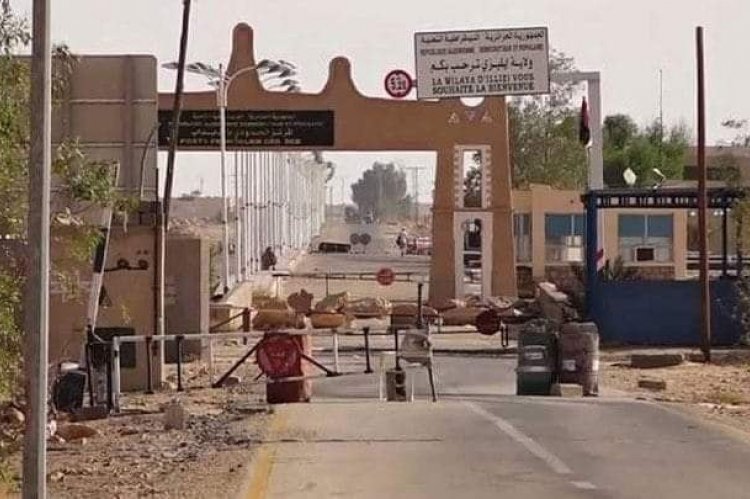
Southern trade corridors represent both opportunity and risk. Historically associated with smuggling and irregular migration, these routes are being reconsidered as regulated trade arteries. Libya trade corridors connecting to Niger and Chad are increasingly framed as tools for stabilizing border regions through formal commerce.
Pilot initiatives focus on designated trade zones, bonded warehouses, and licensed transport operators. These mechanisms aim to convert informal flows into taxable, regulated trade. Success remains limited, but momentum is growing as municipalities and tribal authorities recognize the economic benefits of formalization.
Security remains a constraint. Armed group presence and fragmented authority complicate corridor management. However, in 2026, coordinated patrols and joint monitoring with neighboring states show modest improvements. Trade corridors are increasingly integrated into security planning, reflecting the understanding that economic activity and stability are mutually reinforcing.
Customs Reform and Regulatory Bottlenecks
No trade corridor functions without effective customs administration. Libya’s customs system has long been criticized for inconsistency, discretion, and lack of transparency. In 2026, reform efforts emphasize harmonization across ports and borders rather than wholesale restructuring.
Digital declaration systems, risk profiling, and standardized tariffs are gradually being introduced. While implementation varies, these reforms reduce delays and opportunities for rent-seeking. Traders respond positively to predictability, even when costs remain high.
Libya trade corridors benefit when regulatory rules are clear and enforced consistently. The challenge lies in aligning multiple authorities across political divides. Progress is incremental, but the direction is clear. Regulatory reform is no longer framed as donor conditionality but as a prerequisite for economic recovery.
Regional Integration and Diplomatic Signaling
Trade corridors are also diplomatic instruments. In 2026, Libya’s engagement with Tunisia, Egypt, and Algeria increasingly centers on transit facilitation, customs cooperation, and infrastructure connectivity. Bilateral agreements on trucking permits, border hours, and data sharing signal a shift from securitized borders to managed mobility.
European actors similarly view Libya trade corridors as complementary to Mediterranean supply chain resilience. Initiatives linked to Italy’s Mattei Plan and the EU’s Global Gateway connect port investment with training and regulatory alignment. These partnerships position Libya as a logistical partner rather than a risk vector.
Diplomacy through trade does not require political unity. It requires functional coordination. In this sense, corridors offer a low-politics entry point for cooperation even amid national fragmentation.
Infrastructure Constraints and Investment Gaps
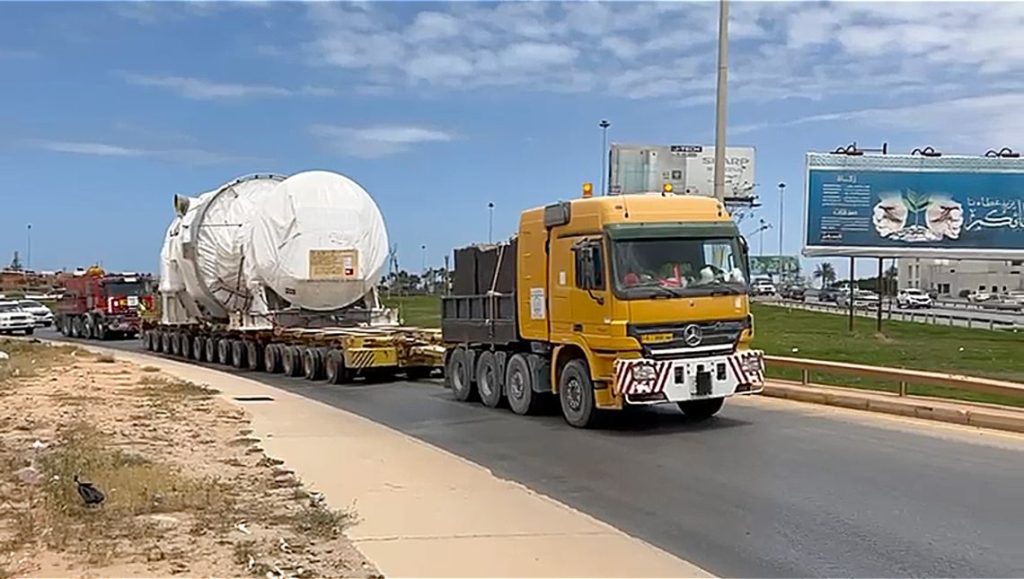
Despite renewed interest, Libya’s corridor infrastructure faces severe constraints. Roads connecting ports to inland markets suffer from neglect and overuse. Rail projects remain stalled. Border facilities lack basic scanning and storage equipment.
Investment remains cautious. Political uncertainty raises risk premiums, while unclear land ownership complicates project planning. Public financing is constrained by fiscal pressures and competing priorities. As a result, corridor development relies heavily on phased upgrades rather than transformational projects.
In 2026, pragmatic investment strategies dominate. Rather than grand corridors, policymakers focus on removing bottlenecks, repairing key road segments, and upgrading customs facilities. These modest interventions yield disproportionate gains in trade efficiency.
Municipalities and Corridor Governance
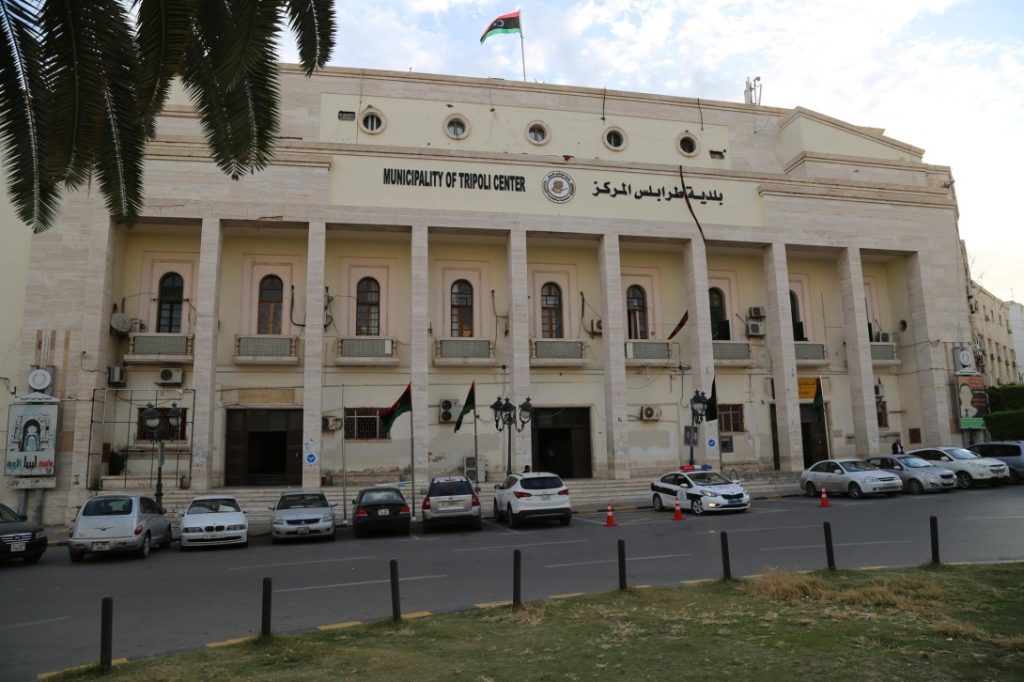
Local authorities increasingly shape corridor outcomes. Municipalities along trade routes manage land access, local security coordination, and service provision. Their role is informal but influential. Where councils cooperate with customs and security actors, corridors function more smoothly.
This local dimension complicates governance but also offers resilience. Municipal engagement anchors corridors in community interests, reducing sabotage and disruption. Libya trade corridors therefore intersect directly with municipal governance reform, highlighting the need for integrated planning.
However, municipalities lack formal authority over trade policy. Their involvement depends on personal relationships and negotiation. Institutionalizing this role without politicizing it remains a challenge for 2026.
Trade Corridors and Economic Diversification
Trade corridors are not an end in themselves. Their strategic value lies in enabling diversification. Manufacturing, agro-processing, and logistics services depend on reliable transport networks. In 2026, policymakers increasingly frame corridors as enablers of non-oil growth.
Free zones, logistics parks, and warehousing projects cluster around ports and border crossings. These initiatives create employment and attract private investment, even at small scales. Over time, corridor-driven diversification reduces dependence on hydrocarbon exports.
The success of this model depends on coherence. Corridors must link production zones, not just consumption centers. Aligning industrial policy with trade infrastructure remains a work in progress.
Strategic Outlook for 2026
Libya trade corridors are no longer speculative concepts. They are active policy arenas shaping economic recovery and regional integration. Progress is uneven and fragile, but momentum exists. In 2026, the question is not whether Libya can reconnect, but how sustainably it can do so.
Corridors that combine security coordination, regulatory reform, and local engagement offer the greatest promise. Those that rely solely on infrastructure without governance reform risk reproducing past failures. Libya’s geography is fixed. Its ability to leverage it depends on institutional choices made now.