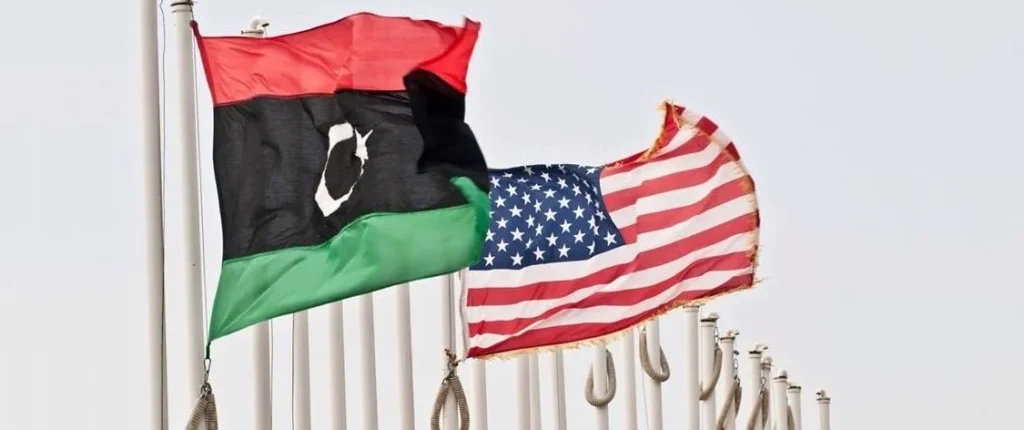
The United States has started to increase its security engagement in Libya again. Recent military exercises in Sirte, new diplomatic outreach across North Africa and the Sahel, and growing concern over extremist networks have pushed Libya back into Washington’s strategic calculations. The shift does not signal a large-scale American return to Libya. Instead, it reflects a broader effort to prevent instability in North Africa from spreading further across the region.
A recent analysis published by the Atlantic Council argued that Washington now sees Africa’s security environment as a more direct challenge to American interests…
Sirte Returns to the Center of Counterterrorism Cooperation
The development matters because Sirte once served as one of the Islamic State’s strongest bases outside Iraq and Syria. The city became a symbol of Libya’s fragmented security landscape after 2011. Militias, foreign actors, and extremist groups competed for influence there for years. Today, the United States appears to view Sirte differently: as a testing ground for limited security cooperation and counterterrorism coordination.
The Flintlock 2026 military exercise in Sirte reflected that shift. According to reporting from the Atlantic Council, Libyan forces from rival camps participated in joint training exercises alongside American and international personnel…
A Limited American Return With Broader Strategic Goals
The United States also sees Libya through the lens of strategic competition. Russia has expanded its footprint in several African countries through military partnerships and security agreements. Moscow-linked forces have operated in Libya for years, especially in eastern and southern regions. At the same time, China continues to strengthen its economic influence across Africa through infrastructure and investment projects.
Still, Washington’s current approach toward Libya differs from earlier periods of direct intervention. The United States no longer appears interested in shaping Libya’s political transition through heavy military involvement. Instead, American policy now emphasizes cooperation with local partners, intelligence sharing, and targeted counterterrorism operations.
The broader regional environment may push Libya even higher on the American agenda in the coming years. Instability across the Sahel continues to worsen, and extremist organizations continue to adapt quickly to shifting political conditions. For now, Washington’s renewed engagement remains limited but noticeable, with Libya increasingly viewed as part of a wider regional security architecture rather than an isolated crisis.