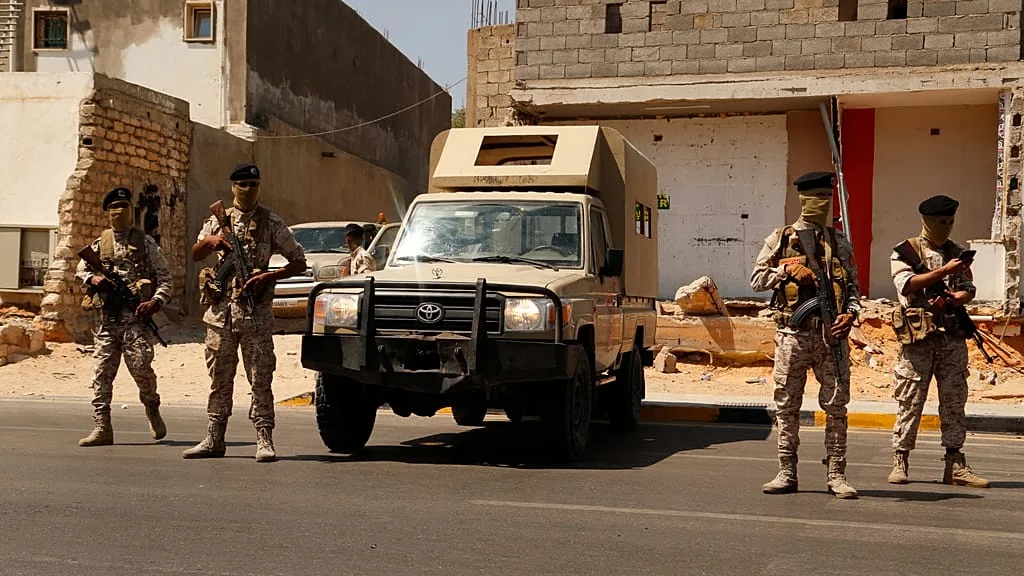
Libyan security forces launched a large-scale operation in the coastal city of Zawiya targeting wanted criminals and organized networks. The operation began at dawn and spread across multiple neighborhoods, with units conducting raids, arrests, and security sweeps in areas linked to armed groups and illicit activity.
Authorities describe the operation as part of an ongoing campaign to dismantle criminal structures that operate in western Libya. The focus includes individuals wanted for serious crimes such as murder, kidnapping, drug trafficking, arms smuggling, and illegal migration facilitation.
Zawiya sits about 45 kilometers west of Tripoli. The city holds strategic importance due to its oil refinery, fuel storage facilities, and coastal access routes. These factors have made it a recurring hotspot for armed clashes and smuggling activity over the past several years.
Security forces expand coordinated raids across the city
According to security statements, multiple units took part in the operation. Forces moved into targeted districts early in the morning and established checkpoints around suspected hideouts.
Security personnel focused on locations linked to criminal networks that operate under armed protection. Units also sealed off key roads to restrict movement and prevent suspects from escaping the city.
Officials said the operation relied on intelligence gathered over time. Security agencies tracked individuals accused of running smuggling routes, extortion networks, and armed cells operating in residential areas.
Authorities urged civilians to avoid targeted zones and report suspicious activity. Security commanders also warned residents against approaching areas where armed groups had previously maintained influence.
Zawiya’s strategic role drives repeated security operations
Zawiya remains one of the most sensitive security environments in western Libya. The city connects major coastal routes that link Tripoli to the Tunisian border. These routes often serve as corridors for fuel smuggling and illegal migration networks.
The city also hosts one of Libya’s most important energy facilities. The Zawiya refinery plays a central role in fuel distribution across western Libya. Because of this, armed groups have repeatedly sought influence over nearby infrastructure.
Past clashes in Zawiya have disrupted refinery operations and triggered national-level energy concerns. In several incidents, fighting near storage tanks and industrial zones led to production halts and emergency declarations by the National Oil Corporation.
Security analysts consistently identify Zawiya as a convergence point for three overlapping threats: organized crime, militia competition, and economic smuggling.
Pattern of recurring operations against “wanted individuals”
The latest operation follows a broader pattern of security campaigns in the city and surrounding coastal areas. Libyan authorities have previously conducted similar raids targeting wanted suspects and militia-linked figures.
Earlier operations in Zawiya and western coastal districts resulted in dozens of arrests, including individuals accused of long-standing criminal activity and repeat offenses. Some detainees had multiple criminal records and had evaded capture for years.
These campaigns often focus on individuals embedded in local armed networks. Many of these networks operate outside formal state control but maintain influence through local alliances, financial control, and access to smuggling routes.
Security institutions have repeatedly stated that these groups undermine stability and directly contribute to insecurity in western Libya.
Smuggling networks remain central to instability
Fuel smuggling remains one of the most profitable illegal activities in the region. Zawiya’s proximity to oil infrastructure creates opportunities for diversion and black-market distribution.
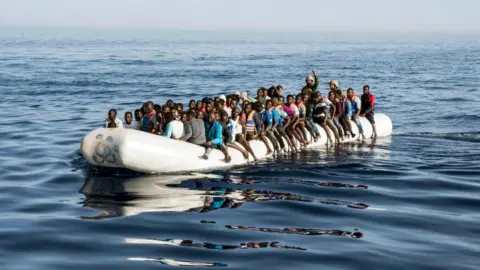
Drug trafficking and human smuggling also remain persistent issues. Coastal cities west of Tripoli often serve as transit points for migration routes toward Europe. Armed groups frequently provide protection or logistical support in exchange for revenue.
Security operations increasingly target these overlapping networks. Authorities aim to disrupt financial flows that sustain armed groups and reduce their operational capacity.
However, enforcement remains inconsistent due to fragmented security institutions and competing armed actors in western Libya.
Armed groups and fragmented authority complicate enforcement
Libya’s security environment remains divided among multiple military and political structures. In western Libya, government-aligned forces operate alongside local militias that retain territorial influence.
This fragmentation complicates long-term enforcement efforts. Even when security forces carry out arrests or raids, detained individuals often have connections to broader networks that remain active.
In Zawiya, armed groups have historically shifted alliances based on local power balances. Some groups engage in criminal activity while simultaneously presenting themselves as security actors.
This dual role creates enforcement challenges and often leads to cycles of confrontation followed by temporary calm.
Economic infrastructure increases stakes of instability
The presence of major energy infrastructure raises the stakes of any security escalation in Zawiya. The refinery and fuel depots are critical to Libya’s domestic energy supply.
Past clashes near these facilities have triggered national disruptions. Even limited fighting can force production slowdowns or emergency measures.
This makes Zawiya not only a security priority but also an economic one. Authorities often respond quickly to unrest in the area to prevent spillover effects on national fuel distribution.
Broader western Libya security strategy
The operation in Zawiya fits into a wider security strategy across western Libya. Authorities have intensified campaigns targeting smuggling routes, militia leaders, and organized crime networks along the coastal belt.
Recent years have seen repeated operations in Zawiya, Sabratha, Surman, and surrounding districts. These areas share similar risk profiles due to proximity to borders, ports, and oil infrastructure.
Security planners aim to gradually reassert state authority over these zones. However, progress remains uneven due to the continued presence of armed actors outside formal command structures.
Recurring operations reflect deeper structural challenges
The latest Zawiya operation highlights more than a single security sweep. It reflects a long-term struggle between state institutions and entrenched armed networks operating in strategic coastal areas.
Authorities continue to prioritize raids against wanted criminals and smuggling networks. Yet the persistence of these operations shows that the underlying security landscape remains unresolved.
Zawiya will likely remain a focal point for future campaigns. Its geography, infrastructure, and criminal economy ensure that security forces will continue to treat it as a priority zone in Libya’s broader stabilization efforts.