Libya is entering a new phase in its security landscape as armed actors expand their access to drones and other advanced systems. This shift is taking place despite the United Nations arms embargo, which remains in effect. Recent developments point to a steady buildup of capabilities across different parts of the country. While large-scale fighting has not resumed, military preparations continue to shape the balance of power.
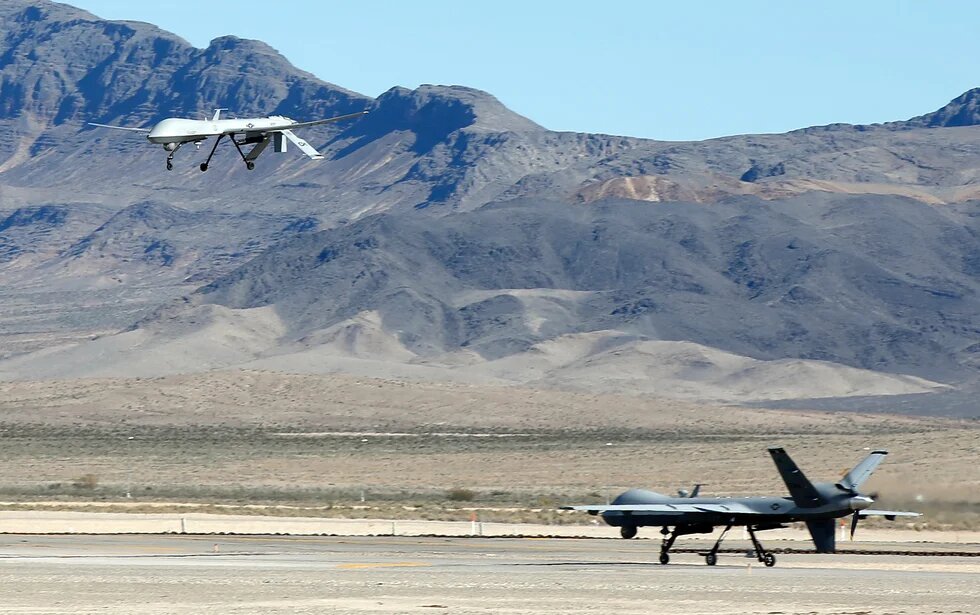
The use of drones is not new in Libya. Armed actors relied on unmanned systems during the 2019–2020 conflict, where they played a decisive role in reconnaissance and targeted strikes. Today, the technology is more accessible, more varied, and more integrated into military planning. This evolution reflects broader trends in modern conflict, where drones offer a cost-effective way to project force and monitor territory.
Expanding Access to Drone Technology
Reports from international observers indicate that forces in eastern Libya linked to Khalifa Haftar have expanded their drone capabilities in recent months. At the same time, armed groups in western Libya maintain their own access to similar systems. This parallel development suggests that multiple actors are investing in unmanned technology as a central component of their security strategies.
Drones now serve several functions. They provide aerial surveillance over remote areas. They support border monitoring and movement tracking. In some cases, they carry out precision strikes. These capabilities allow armed actors to extend their reach without deploying large numbers of personnel. They also reduce operational costs compared to traditional airpower.
The spread of this technology reflects a wider regional pattern. Drone systems have become more available through international markets and external partnerships. As a result, Libya’s security environment increasingly mirrors trends seen in other conflict zones, where unmanned systems play a central role in shaping outcomes.
The UN Arms Embargo Under Strain
The United Nations Security Council imposed an arms embargo on Libya in 2011. The measure aims to limit the flow of weapons and military equipment into the country. However, reports from monitoring bodies continue to highlight challenges in enforcement. New shipments of equipment, including drone systems, indicate that supply channels remain active.
These developments do not point to a single source or actor. Instead, they reflect a complex network of suppliers, intermediaries, and local partners. Arms flows into Libya often move through indirect routes. They rely on regional connections and logistical networks that operate across borders. This structure makes monitoring and enforcement more difficult.
The continued presence of advanced systems raises questions about the effectiveness of existing mechanisms. Monitoring bodies can document violations and track patterns, but they face limits in preventing transfers. This gap between policy and practice has become a defining feature of the Libyan security landscape.
A Shift Toward Deterrence and Positioning
The expansion of drone capabilities signals a broader shift in how armed actors approach the current phase of the conflict. Rather than engaging in direct confrontation, many groups focus on deterrence and positioning. They aim to strengthen their defensive posture and maintain influence over key areas.
Drones support this approach by providing real-time intelligence and rapid response options. Armed actors can monitor front lines and track movements without escalating into open conflict. This creates a balance where visibility and preparedness play a central role. Each side seeks to avoid escalation while maintaining the ability to respond if conditions change.
This dynamic contributes to a fragile stability. The absence of large-scale fighting does not mean the absence of risk. The accumulation of advanced systems can increase the potential for rapid escalation. A single incident or miscalculation could trigger a broader confrontation.
External Links and Regional Context
Libya’s drone buildup also reflects its connections to external actors. Different Libyan groups maintain relationships with international partners that provide technical support, training, or equipment. These links form part of a wider regional landscape where drone technology continues to spread.
Neighboring regions, including the Sahel and the eastern Mediterranean, have seen similar developments. Armed groups and state actors rely more on unmanned systems to manage security challenges. Libya sits at the intersection of these trends. Its geography and political fragmentation make it a key node in regional networks.
At the same time, external involvement does not follow a single pattern. Different actors pursue distinct interests, and their engagement in Libya varies over time. This diversity adds another layer of complexity to the security environment. It also reinforces the decentralized nature of military developments inside the country.
Implications for Stability and Policy
The growth of drone capabilities carries important implications for Libya’s future. It strengthens the ability of armed actors to control territory and respond to threats. It also raises the stakes in any potential confrontation. More advanced systems can lead to faster and more precise operations, which may reduce warning time in a crisis.
For policymakers, these trends highlight the need for renewed focus on enforcement and dialogue. Strengthening monitoring mechanisms could improve visibility over arms flows. At the same time, political engagement remains essential to reduce the risk of escalation. Military balance alone cannot deliver long-term stability.
Libya’s current phase reflects a broader pattern seen in other conflict settings. Armed actors consolidate their positions during periods of reduced fighting. They invest in new technologies and refine their strategies. This process can either support a transition toward stability or set the stage for renewed conflict, depending on how political developments unfold.
A Quiet but Significant Shift
Libya’s drone buildup represents a quiet but significant shift in the country’s security landscape. It shows how the conflict continues to evolve even in the absence of large-scale fighting. Armed actors are adapting to new technologies and changing regional dynamics. These developments will shape the next phase of Libya’s trajectory.
For now, the situation remains balanced but uncertain. The spread of drone technology, combined with ongoing arms flows, underscores the limits of existing controls. It also highlights the importance of sustained monitoring and engagement. As Libya moves forward, the interaction between military capability and political process will remain central to its future stability.