
Author: LSB Team
-
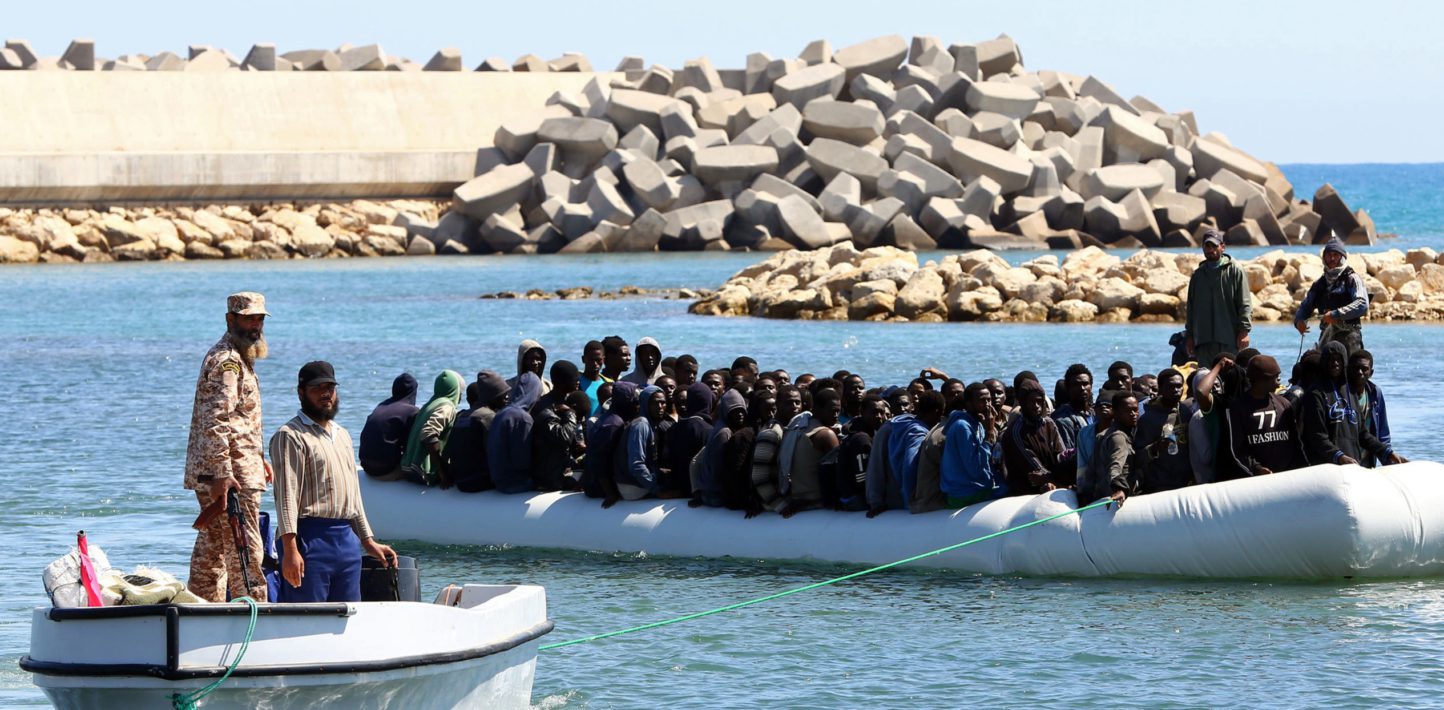
Why the EU Is Spending €25 Million on Migration Security in Eastern Libya
The European Union’s decision to allocate an additional €25 million for migration cooperation with eastern Libya reflects a broader shift in European security policy. Brussels wants to reduce irregular migration across the Mediterranean, but its growing engagement with eastern authorities also highlights a difficult question: how can Europe strengthen border control without deepening Libya’s political…
-
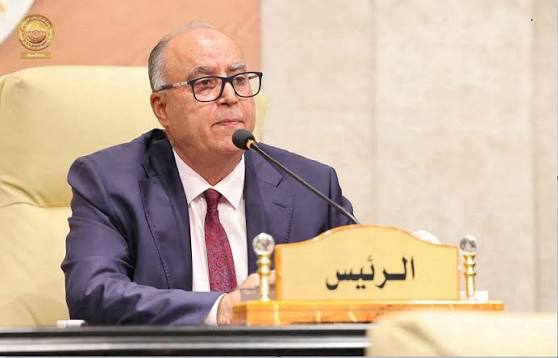
Who Is Libya’s New Parliament Speaker, Al-Salhin Abdulnabi Al-Obeidi?
Al-Salhin Abdulnabi Al-Obeidi is now the new speaker of Libya’s House of Representatives, replacing Aguila Saleh after more than 12 years in the post. His election marks a change at the top of Libya’s eastern-based parliament, but Al-Obeidi is not a newcomer to the institution or to the political networks around it. The civil engineer…
-
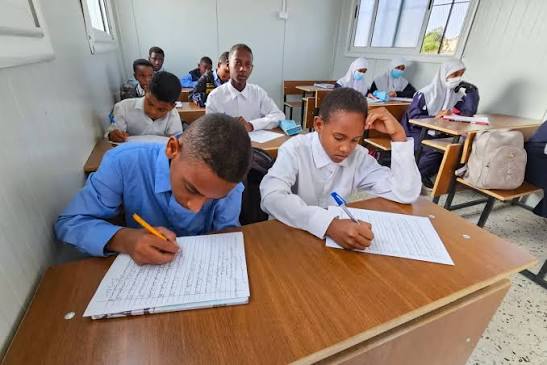
Libya’s Education Dispute Raises Wider Questions Over State Authority
Libya’s latest dispute over schools has moved beyond a disagreement over salaries and working conditions. The confrontation between the Ministry of Education and teachers’ unions now raises a broader question about how the state manages public services when government decisions meet organised labour resistance. On September 27, Education Minister Mohammed Abdul-Salam Al-Gryou ordered education offices…
-
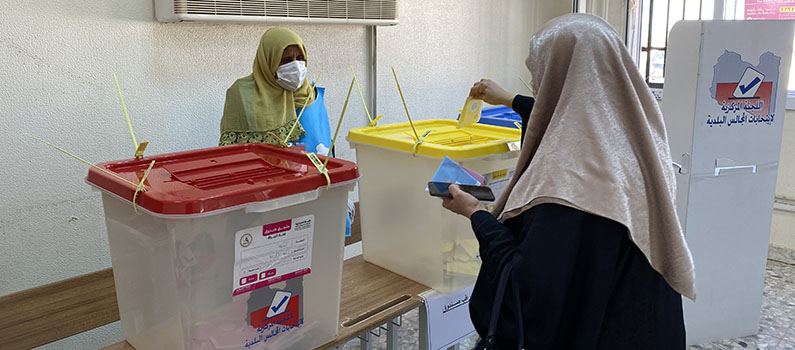
Libya’s Election Roadmap Puts State Unity Back at the Center
Libya’s political transition is again being discussed alongside a broader question: whether the country can move toward elections while also rebuilding a more unified state. Prime Minister Abdulhamid Dbeibah discussed Libya’s political and economic situation with a senior US official, with talks focusing on the country’s electoral roadmap and efforts to strengthen economic unity. The…
-
Libya Dismantles Drone Attack Cell
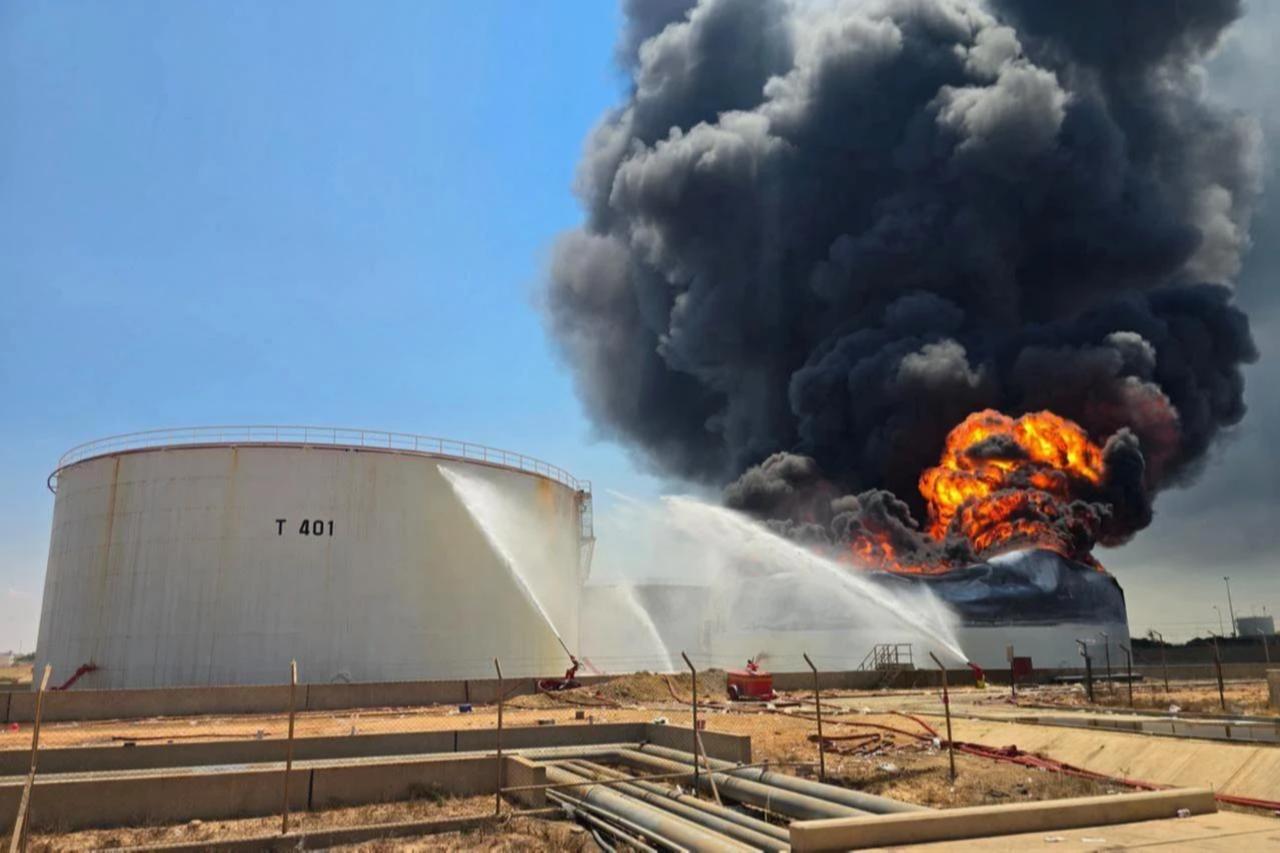
Libyan authorities say they have dismantled an organized sabotage cell accused of carrying out drone attacks against oil and electricity infrastructure in western Libya, providing the first major public breakthrough in the investigation into a series of attacks that have exposed vulnerabilities around the country’s critical energy facilities, according to Anadolu Agency’s latest report. The…
-
Libya’s 4+4 Agreement Opens a New Path Toward Elections
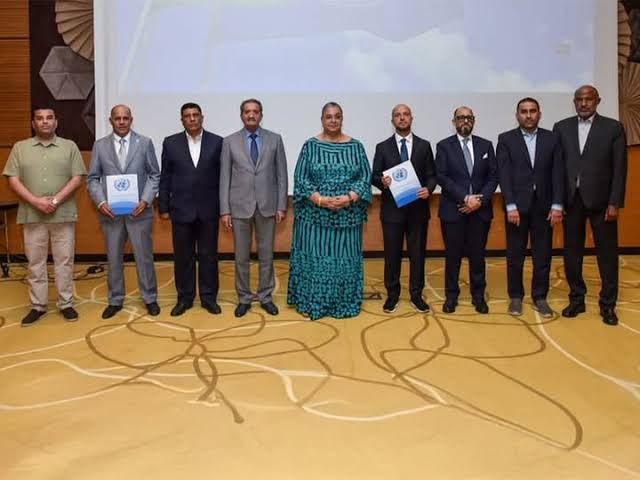
The 4+4 Committee has signed a joint agreement under United Nations auspices that seeks to create a new path toward national elections and end Libya’s prolonged political division. The agreement marks the first major joint understanding between representatives of the country’s eastern and western power centers through this format in five years. The committee brings…
-
Libya’s Central Bank Crisis Becomes a National Security Risk as Reform Committee Takes Shape
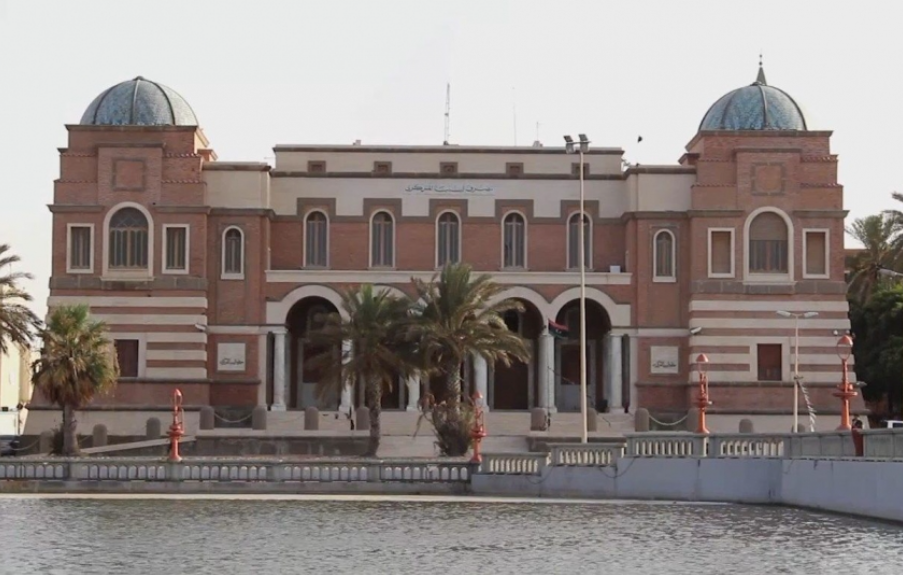
Libya’s Central Bank governor, Naji Issa, has met with High State Council (HSC) head Mohamed Takala as political institutions move to prevent a new crisis around the country’s financial system. The meeting comes days after Issa submitted his resignation, raising fresh concerns about institutional stability and the political struggle over Libya’s public finances. The HSC…
-
Zawiya Power Substation Attack Exposes Libya’s Growing Critical Infrastructure Security Risk
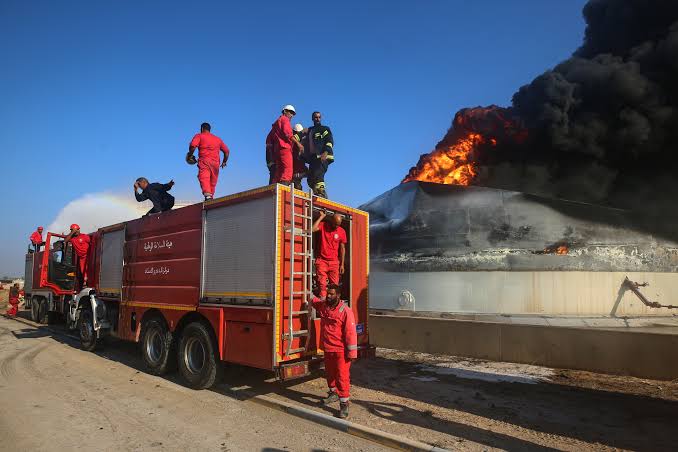
The destruction of a major electricity substation in Zawiya has pushed Libya’s deteriorating security situation into a new phase, with attacks now directly threatening the infrastructure that keeps homes, businesses and strategic facilities operating. On August 12, Libya’s General Electricity Company (GECOL) said an attack completely burned down the 30/11 kV substation in southern Zawiya…
-
Zawiyah’s Drone War: Who Is Targeting Libya’s Energy Infrastructure?
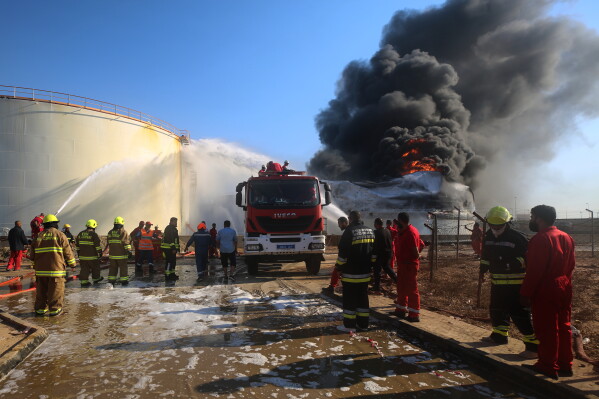
Repeated drone attacks on Zawiyah’s oil and energy infrastructure have turned a local security problem into a broader threat to western Libya’s critical infrastructure. The attacks have damaged fuel storage tanks, threatened refinery operations and, most recently, struck an electricity substation that supplies large areas south of the city. The National Oil Corporation (NOC) brought…
-
Libya’s Army Anniversary Highlights the Challenge of Building a Unified Military
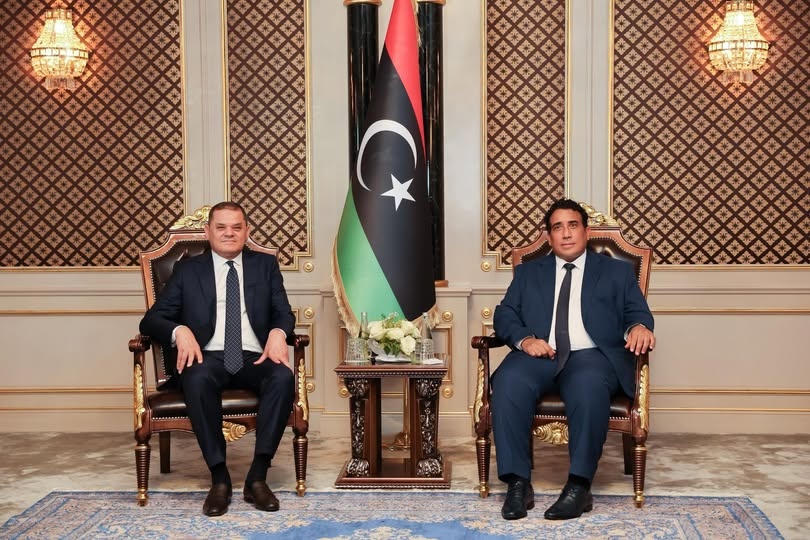
Libya marked the 86th anniversary of the founding of its army on August 9 with renewed calls to unify the country’s military institution and keep it outside political and regional rivalries. Presidential Council head Mohamed al-Menfi and Prime Minister Abdul Hamid Dbeibah both used the anniversary to stress the importance of a unified national military.…