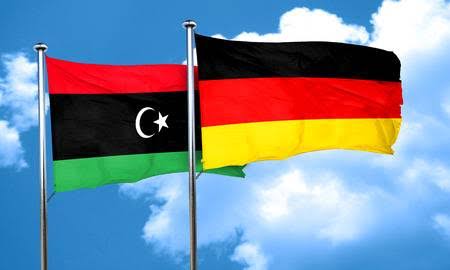
Libya and Germany have renewed discussions on bilateral relations and the future of Libya’s political process, highlighting Berlin’s continued interest in supporting stability in the country. The talks come as Libya enters another sensitive phase of political negotiations, with international actors pushing for progress toward institutional unity and national elections.
Germany has maintained one of the most consistent diplomatic roles in Libya since 2019, when Berlin launched the Berlin Process to support United Nations-led efforts to end political divisions and establish a framework for a peaceful transition. While Libya has achieved periods of relative calm, deep disagreements over governance, elections, and state institutions continue to shape the country’s political landscape.
The latest discussions show that Berlin still views Libya’s stability as a priority, both for regional security and for Europe’s wider interests in the Mediterranean.
Germany’s Libya Strategy: Diplomacy Over Intervention
Germany’s approach to Libya has focused on mediation, dialogue, and international coordination rather than direct involvement in the country’s internal power struggles. Through the Berlin Process, Germany attempted to bring together Libya’s political actors and international stakeholders around common goals, including a ceasefire, foreign force withdrawal, economic reforms, and preparations for elections.
The initiative helped create diplomatic momentum after years of conflict. The 2020 ceasefire agreement between Libya’s rival military factions marked an important turning point and reduced the risk of a return to large-scale conflict. However, political divisions remained unresolved, preventing the country from completing its transition.
For Berlin, Libya’s challenge is no longer only preventing conflict. The focus has shifted toward helping Libya build functioning institutions capable of managing security, economic resources, and political competition.
Political Deadlock Remains Libya’s Biggest Challenge
The renewed Libya-Germany discussions take place while the country continues to face uncertainty over its political roadmap. Years of competing administrations, fragmented security structures, and disagreements over election rules have delayed efforts to create a unified state framework.
International partners, including Germany, continue to argue that Libya needs a credible political process that leads to legitimate national institutions. Recent discussions with Berlin have focused on strengthening coordination and supporting efforts aimed at ending the prolonged transitional period.
However, external diplomacy can only achieve limited results without agreement among Libya’s own political forces. The central challenge remains convincing competing actors that institutional stability and elections serve their long-term interests better than maintaining parallel power structures.
Germany’s role is therefore likely to remain focused on creating diplomatic space for compromise rather than imposing solutions.
Security and Migration Keep Libya High on Europe’s Agenda
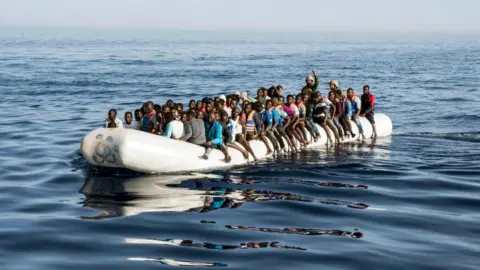
Libya’s security situation continues to influence European engagement. The country remains a key route for migration movements across the Mediterranean, while instability in neighboring regions has increased pressure on Libya’s borders and humanitarian systems.
Germany has repeatedly linked Libya’s stability with broader European security concerns, particularly regarding migration management, regional conflicts, and organized crime networks. Berlin has also expanded discussions with Libya on humanitarian issues and cooperation in areas affecting both sides.
For Europe, a stable Libya represents more than a political objective. It also represents a strategic interest because of Libya’s geographic position, energy resources, and role as a gateway between Africa and the Mediterranean.
Economic Cooperation Could Strengthen Political Ties
Although political stability remains the main focus, economic cooperation has become another important element of Libya-Germany relations. Both countries have explored ways to expand trade, support German companies operating in Libya, and encourage investment in sectors including energy, industry, technology, and infrastructure.
Germany’s industrial expertise could support Libya’s reconstruction and diversification efforts if political conditions improve. Libya, meanwhile, offers opportunities in energy, infrastructure development, and regional trade.
Economic cooperation also provides another channel for strengthening relations beyond government diplomacy. Increased private-sector engagement could create incentives for greater stability by linking Libya’s recovery with international investment.
Berlin’s Continued Role in Libya’s Next Phase
Germany’s renewed engagement reflects a broader international recognition that Libya’s political future remains unresolved. The country has avoided a return to major conflict, but it has not yet achieved the institutional unity needed for a lasting settlement.
Berlin’s influence comes from its position as a diplomatic facilitator rather than a dominant foreign actor. This allows Germany to maintain dialogue with different Libyan stakeholders while supporting United Nations efforts.
The next stage will test whether international diplomacy can translate into practical progress. Libya’s political actors will ultimately determine the country’s direction, but sustained engagement from partners such as Germany can help create conditions for compromise.
As Libya continues searching for a path toward elections and stronger institutions, Germany is likely to remain an important diplomatic player. Its challenge will be turning years of dialogue into measurable political results.