
Category: Uncategorized
-
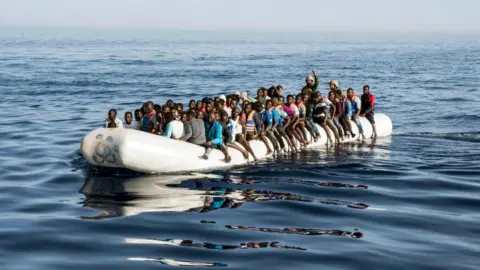
EU Funds Migration Cooperation in Eastern Libya
The European Union has allocated an additional €25 million to expand migration cooperation with eastern Libya, deepening its engagement with authorities under military commander Khalifa Haftar. The funding will support border management, search-and-rescue operations and efforts to combat migrant smuggling, according to Reuters. The decision marks another step in the EU’s effort to reduce irregular…
-
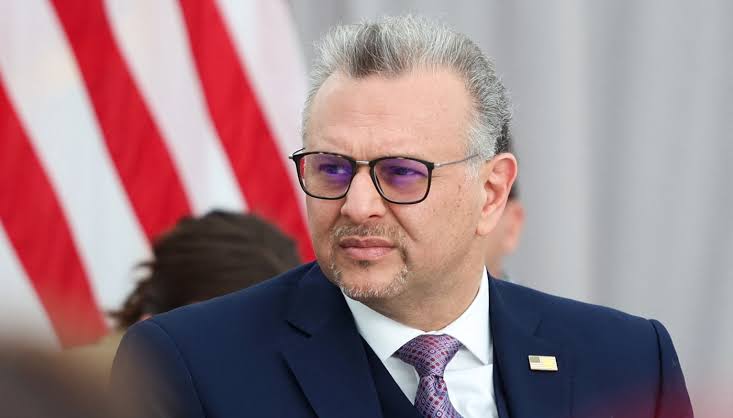
Libya’s East-West Coordination Is Growing, But Can It Become Lasting State Integration?
US Senior Advisor for Arab and African Affairs Massad Boulos says Libya has made significant progress in economic and security coordination between the country’s eastern and western regions, alongside progress toward a UN-facilitated electoral framework. His comments point to a potentially important shift in Libya’s long-running institutional divide. But coordination between rival centers of power…
-
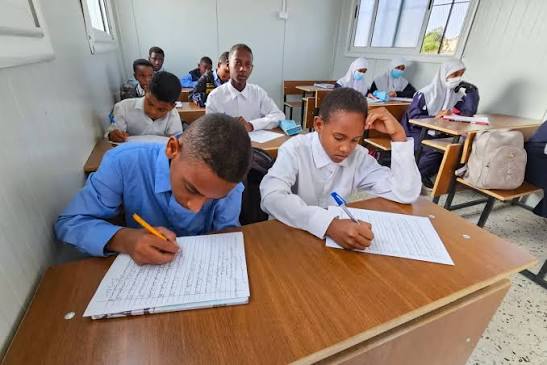
Libya’s Education Dispute Raises Wider Questions Over State Authority
Libya’s latest dispute over schools has moved beyond a disagreement over salaries and working conditions. The confrontation between the Ministry of Education and teachers’ unions now raises a broader question about how the state manages public services when government decisions meet organised labour resistance. On September 27, Education Minister Mohammed Abdul-Salam Al-Gryou ordered education offices…
-
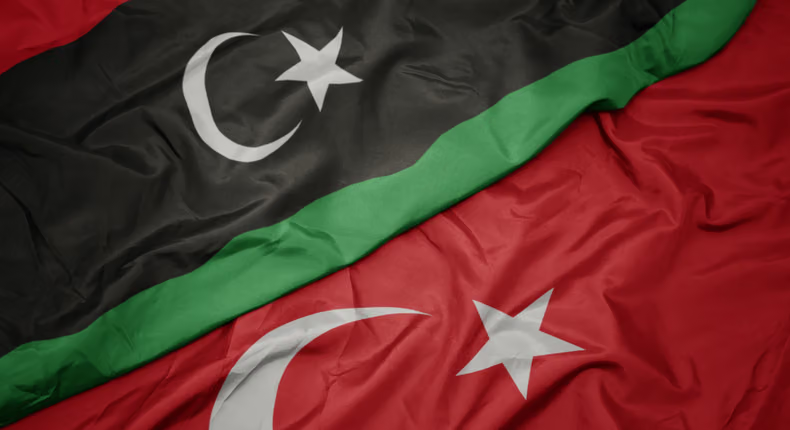
Turkey’s Libya Strategy Is Expanding Beyond Tripoli
Turkey is expanding its engagement across Libya as Ankara seeks to protect its political, security and economic interests while positioning itself for the country’s next political phase. President Recep Tayyip Erdoğan’s latest meeting with Libyan Presidential Council head Mohamed al-Menfi in New York shows how Ankara is combining its long-standing relationship with western Libya with…
-
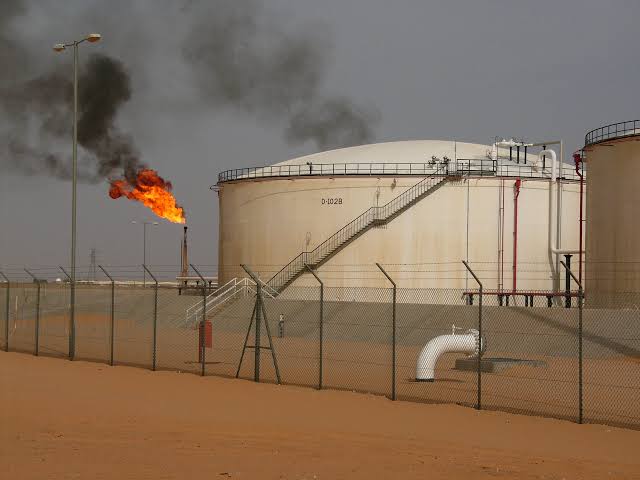
Sharara Shutdown Exposes Libya’s Oil Infrastructure Security Gap
he latest disruption at Libya’s Sharara oilfield is more than another interruption to crude production. It shows how easily an armed group can turn a single point on Libya’s oil infrastructure into a national security and economic pressure point. On September 21, the National Oil Corporation (NOC) said an armed group had closed Valve No.…
-
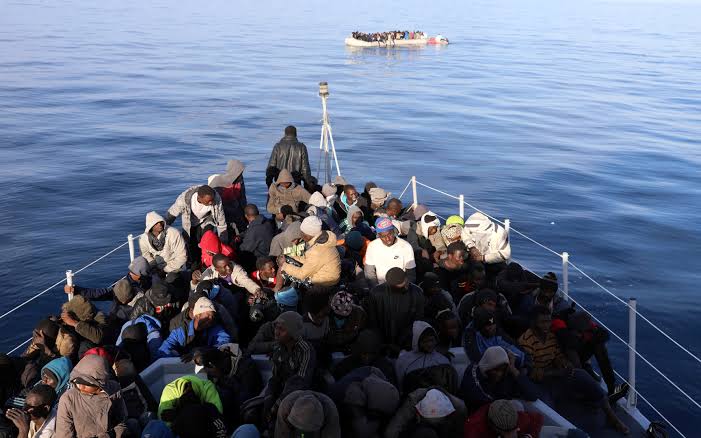
Benghazi Intensifies Migrant Deportations as Eastern Libya Tightens Enforcement
Libyan authorities deported 68 irregular migrants from Benghazi on September 16, including Egyptian, Sudanese and Yemeni nationals, in the latest operation pointing to a sustained increase in migration enforcement across eastern Libya. The Greater Benghazi branch of the Directorate for Combating Illegal Migration carried out the three operations by air and land. Authorities deported four…
-
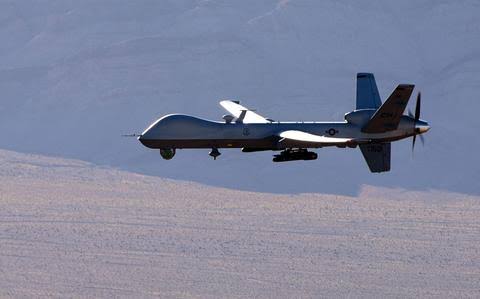
Homegrown and Tethered: Libya’s Three-Year Build-Up to Suicide-Drone Warfare
The small suicide drone that burned Zawiya’s refinery in August did not arrive in Libya that month. It was assembled there, in stages, over three years, by militias that bought counter-drone jammers before they had drones worth jamming, then built the drones anyway, then re-engineered them to beat the jammers they themselves had helped bring…
-
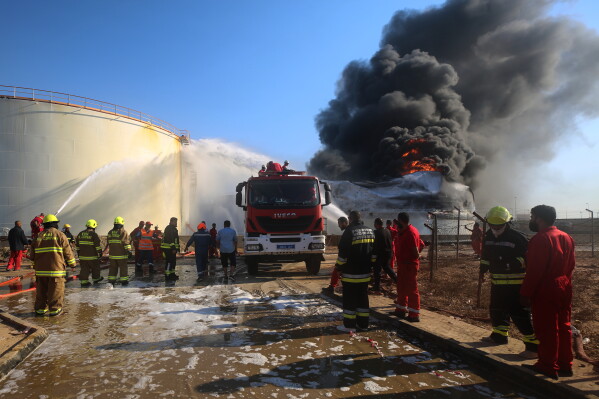
Zawiyah’s Drone War: Who Is Targeting Libya’s Energy Infrastructure?
Repeated drone attacks on Zawiyah’s oil and energy infrastructure have turned a local security problem into a broader threat to western Libya’s critical infrastructure. The attacks have damaged fuel storage tanks, threatened refinery operations and, most recently, struck an electricity substation that supplies large areas south of the city. The National Oil Corporation (NOC) brought…
-
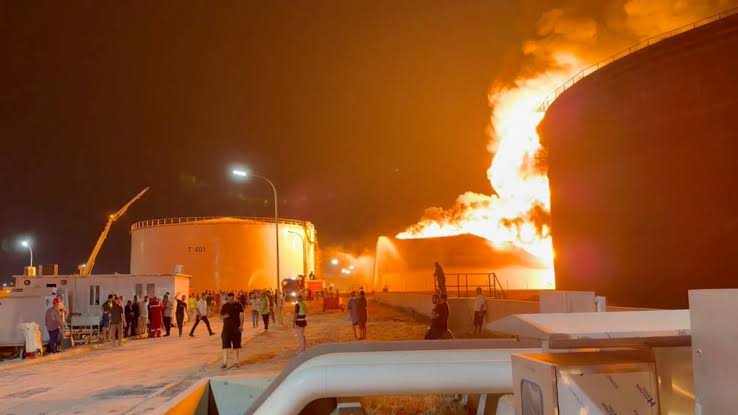
Zawiyah Escalation Raises Risk of Wider Conflict in Western Libya
Repeated drone attacks on Zawiyah’s oil complex have pushed one of western Libya’s most volatile cities back into the center of the country’s security crisis. The latest attack struck a fuel storage tank at the Zawiyah refinery on August 10, triggering a major fire. The tank, operated by Brega Petroleum Marketing Company, contained about 4.5…
-
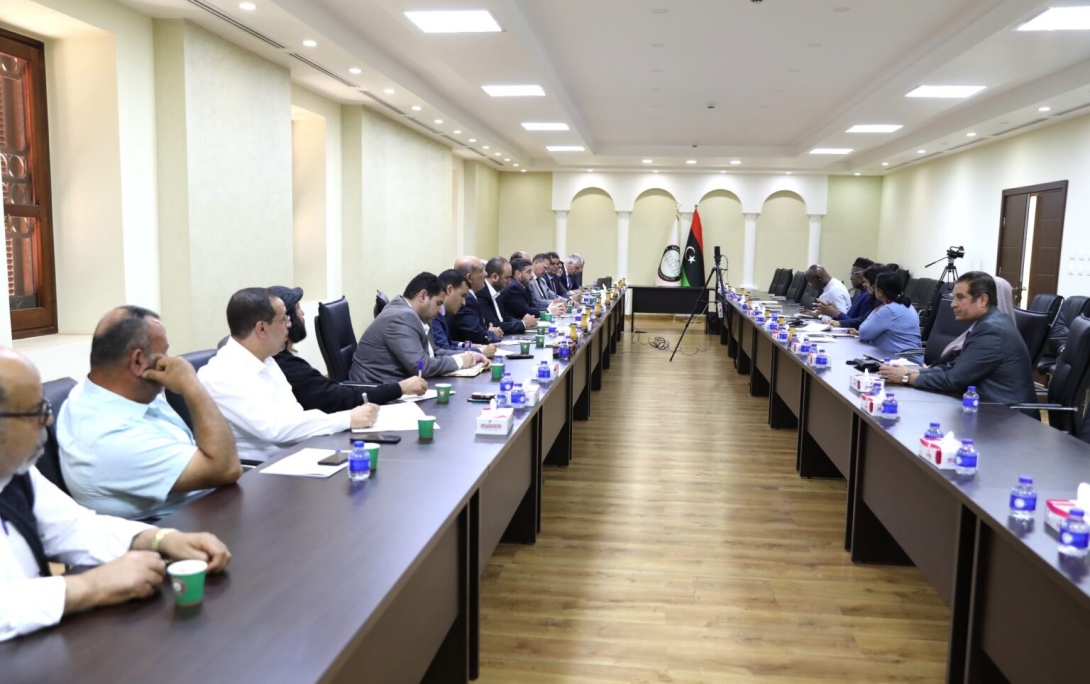
Libya’s “Central Region” Plan: Decentralization or Early Federal Drift?
Mayors from nine key Libyan cities met in Misrata this week and announced the formation of a new “Central Libya Region.” The proposal would expand Libya’s administrative structure from three regions into four, adding a central bloc that covers major coastal and inland cities. The announcement includes Misrata, Zliten, Al-Khums, Bani Walid, Tarhuna, Masallata, Qasr…