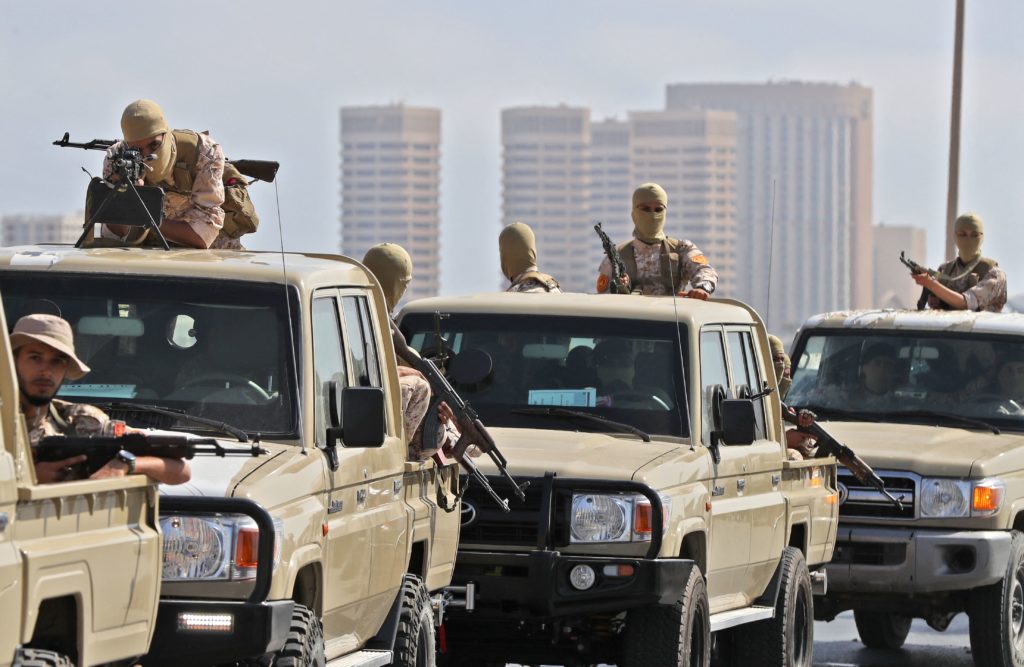
Libya militias remain one of the most important forces shaping the country’s security landscape. More than a decade after the fall of Muammar Gaddafi, armed groups still influence power balances, state institutions, and daily security conditions across many parts of Libya.
Some militias operate at the local level. Others hold influence in major cities, border zones, or strategic infrastructure areas. Several groups now work alongside state institutions, while others compete for territory, resources, or political leverage. This mix creates a complex security environment that continues to shape Libya’s future.
Why Militias Still Matter in Libya
Libya’s state security system weakened during years of conflict and political division. As institutions fragmented, armed groups filled security gaps. Many communities relied on local factions for protection, checkpoints, and dispute management.
Over time, some groups gained formal recognition, state salaries, or links to ministries. Others built economic networks through logistics, fuel trade, border activity, or local patronage systems. That gave militias both armed strength and financial influence.
Today, many Libyans still view armed groups as power centers that can shape events faster than formal institutions.
How Militias Influence National Security
Militias affect Libya’s national security in several direct ways.
First, they shape stability in major urban centers such as Tripoli, Misrata, Benghazi, and other strategic areas. Alliances between armed factions can reduce tensions for a period. Rivalries can trigger clashes with little warning.
Second, militias influence critical infrastructure. Control near roads, ports, airports, oil facilities, and border crossings can affect trade, movement, and state revenue.
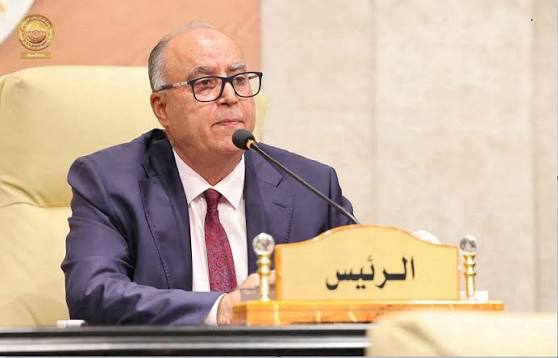
Third, they affect politics. Armed groups often back institutions, candidates, or local authorities. Their support can strengthen negotiations, but it can also pressure rivals and delay political compromise.
Fourth, they complicate security reform. Governments may seek to unify military and police structures, yet powerful groups often resist changes that reduce their autonomy.
Why Disbanding Militias Is Difficult
Many outside observers ask why Libya cannot simply dissolve militias. The answer is more complex.
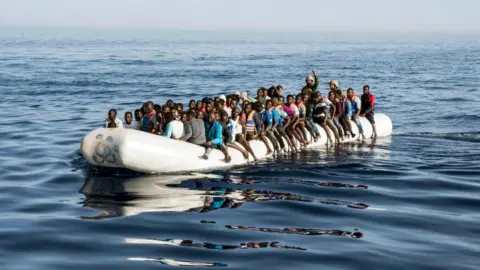
Some groups enjoy local legitimacy because they provide security where the state remains weak. Others employ young men in areas with limited economic opportunity. Several factions also hold heavy weapons, organized command structures, and political allies.
If authorities move too quickly without a broader plan, they risk new clashes or local instability. That is why security reform usually requires phased integration, economic alternatives, and political agreements.
Regional Differences Matter
Libya does not have one single militia model. Conditions differ by region.
In western Libya, networks of city-based armed groups often shape local balances. In eastern Libya, more centralized military structures hold stronger influence. In the south, tribal dynamics, smuggling routes, migration pressures, and border security issues often play a larger role.
Any national security strategy must account for these regional realities.
What Could Change the Picture
Libya can reduce militia influence over time, but only through stronger institutions and credible governance.
Key steps include building professional police forces, improving army command structures, creating jobs for young people, and restoring trust in courts. Transparent revenue sharing also matters because economic exclusion often fuels local competition.
Political progress remains essential. When national institutions split, armed actors usually gain leverage. When institutions cooperate, formal state authority can expand.
What It Means for 2026
In 2026, Libya militias still influence security, politics, and local power balances. Some groups may support stability in the short term. Others can deepen fragmentation when disputes rise.
The central question is whether Libya can move from armed balance toward institutional authority. That shift would improve investment confidence, public safety, and long-term state capacity.