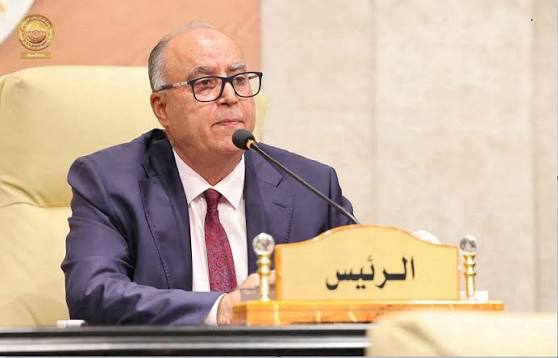
Libya and Somalia have agreed to repatriate around 400 Somali nationals held in detention facilities across Libya, marking the latest move by Tripoli to accelerate migrant returns and tighten migration management. The agreement followed talks in Tripoli between Libya’s acting Foreign Minister Taher Al-Baour and Somali Foreign Minister Abdisalam Abdi Ali.
Officials said both sides discussed the legal and logistical steps required to organize the return process. The meeting also covered wider bilateral ties, including diplomatic coordination and labor cooperation.
The deal comes at a critical moment for Libya. Authorities face rising domestic pressure over migration flows, overcrowded detention centers, and mounting security concerns linked to trafficking networks. By reaching direct agreements with countries of origin, Tripoli aims to reduce detention numbers while projecting control over one of the country’s most politically sensitive issues.
Libya’s new focus on organized returns
The Somalia agreement fits into a broader Libyan strategy that favors repatriation deals over long-term hosting arrangements. In recent months, Libyan officials have repeatedly stated that Libya will not become a permanent settlement destination for irregular migrants.
The Interior Ministry recently transferred groups of migrants to the UN refugee agency to begin voluntary return procedures under what officials described as approved legal mechanisms.
Libyan authorities have also coordinated returns with other states. Earlier this year, Iraq sent a government aircraft to bring home 151 Iraqi nationals from Libya after officials completed travel and administrative procedures.
These steps suggest that Tripoli now prefers state-to-state return frameworks that reduce the role of ad hoc crisis management.
Why Somali migrants matter in Libya
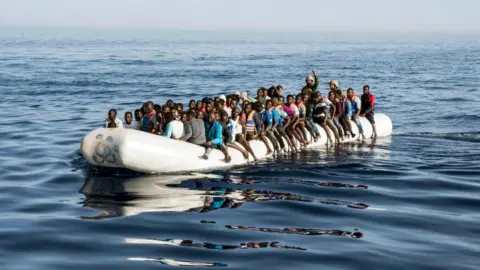
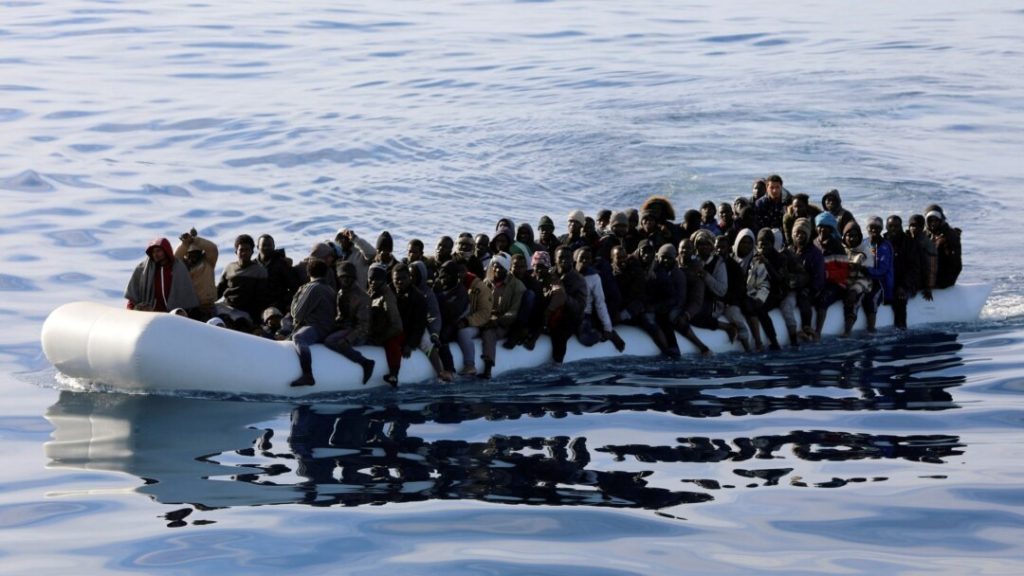
Somali nationals have long appeared among migrant populations moving through Libya toward Europe. Many travel through East Africa, Sudan, and the Sahara before reaching Libyan territory. Some seek onward passage across the Mediterranean. Others look for temporary work inside Libya’s informal economy.
That route has become more difficult and more dangerous. Smuggling networks, extortion rings, and militia-linked actors continue to exploit vulnerable migrants across transit corridors. International rights groups have documented harsh conditions in several Libyan detention facilities and abuses linked to trafficking structures.
For Somalia, the repatriation of detained nationals carries both humanitarian and political value. It allows Mogadishu to show consular engagement abroad while bringing citizens home from high-risk environments.
For Libya, the removal of detainees eases pressure on already strained facilities and signals progress on migration control.
A wider Libya-Somalia diplomatic opening
The repatriation deal also reflects improving ties between Libya and Somalia. Earlier engagements between officials from both countries focused on trade, diplomatic cooperation, and security coordination. Previous talks produced agreements on ministerial coordination and visa facilitation for diplomatic passport holders.
Both countries share post-conflict state-building challenges. Each government seeks stronger institutions, foreign investment, and more stable regional partnerships. That creates room for pragmatic cooperation even though the two states sit in different strategic zones.
Libya offers labor opportunities, financial networks, and diplomatic access to North Africa. Somalia offers political partnerships in the Horn of Africa and growing relevance in Red Sea security discussions.
Risks and implementation challenges
The agreement still faces practical hurdles. Many detainees lack updated travel documents. Some may have asylum claims or fear persecution at home. Others may resist return after years spent pursuing migration routes.
Coordination between Libyan agencies, Somali authorities, and international organizations will determine whether returns proceed quickly and lawfully.
Libya also remains politically fragmented. Rival institutions and overlapping security actors can complicate migration policy implementation. A deal announced in Tripoli does not always guarantee smooth execution nationwide.
Analytical outlook
The Libya-Somalia repatriation deal shows that Tripoli is moving toward a more assertive migration doctrine centered on removal, bilateral coordination, and visible state control.
This strategy offers short-term benefits. Libya can reduce detention pressure, answer domestic criticism, and strengthen ties with countries of origin. Somalia can recover nationals from a volatile environment and expand diplomatic engagement with North Africa.
However, returns alone will not solve Libya’s migration challenge. Conflict in neighboring states, economic collapse across parts of Africa, and entrenched trafficking networks will continue to drive movement northward.
If Libya wants lasting results, it will need stronger border governance, legal labor frameworks, and more consistent cooperation with transit and origin countries.