The destruction of a major electricity substation in Zawiya has pushed Libya’s deteriorating security situation into a new phase, with attacks now directly threatening the infrastructure that keeps homes, businesses and strategic facilities operating.
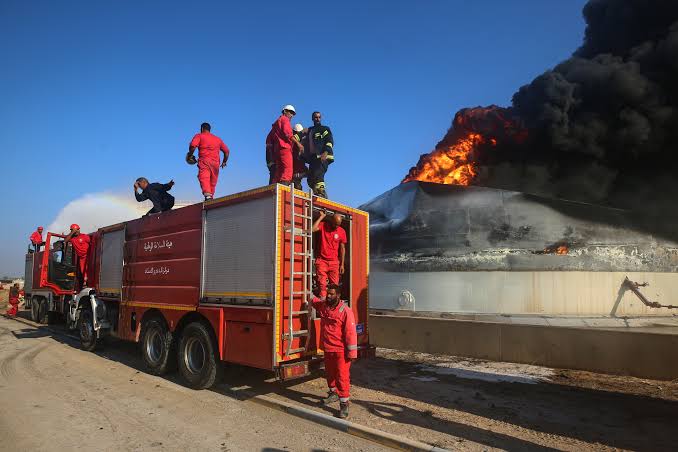
On August 12, Libya’s General Electricity Company (GECOL) said an attack completely burned down the 30/11 kV substation in southern Zawiya and knocked it out of service. The damage cut electricity supplies to large areas south of the city. GECOL dispatched technical teams to assess the damage and begin restoration work, but warned that continued attacks could destabilize the national grid and trigger wider power disruptions, including a partial or nationwide blackout.
The attack came after several days of drone strikes against Zawiya’s energy infrastructure. Those attacks targeted the oil complex, power generation facilities and now a key electricity substation. No group has claimed responsibility for the strikes, leaving the immediate perpetrators unclear. But the pattern itself matters: critical infrastructure in one of Libya’s most strategically important cities has come under repeated attack within days.
Zawiya’s Energy Infrastructure Is Becoming a Security Battleground
Zawiya presents an unusually concentrated security risk because several critical systems sit within the same geographic area.
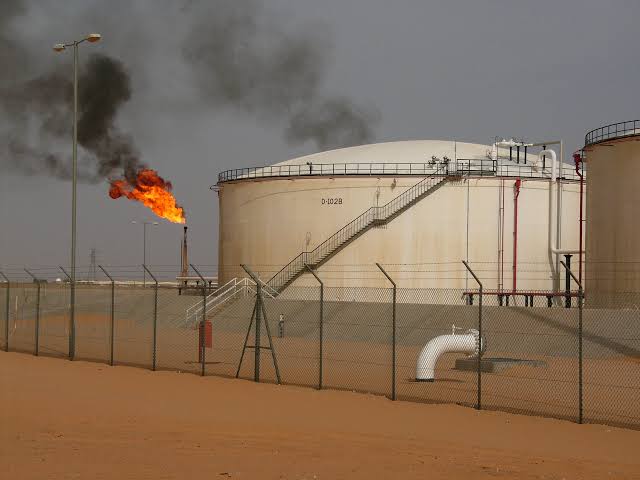
The city hosts Libya’s largest operating refinery, a major power plant and electricity transmission infrastructure that connects generation capacity to consumers. The refinery can process around 120,000 barrels per day and remains an important component of Libya’s domestic fuel system. The nearby Zawiya power plant has a total generation capacity of about 1,300 megawatts.
That concentration creates a significant vulnerability. An attack against one facility can quickly affect another. Damage to a substation can cut electricity supplies. Attacks on the power plant can reduce generation. Disruption around the refinery can threaten fuel availability and industrial operations.
The latest incident demonstrates that risk clearly.
GECOL said security problems in Zawiya have already caused extensive damage to electricity infrastructure and disrupted maintenance and major overhaul programs at the Zawiya power plant. US company GE withdrew its technical teams in June because of security concerns, delaying maintenance and leaving more than 700 MW of the plant’s 1,300 MW capacity unavailable. GE suspended operations again after the latest attacks and withdrew its personnel until it can operate in a safe environment.
This creates a security problem that extends beyond physical damage. Libya depends on foreign technical companies to maintain and restore parts of its aging energy infrastructure. If insecurity repeatedly forces those companies to withdraw, attacks can create prolonged capacity losses even when the physical damage remains limited.
The result is a compounding effect: insecurity damages infrastructure, damaged infrastructure increases pressure on the grid, and that pressure makes the system more vulnerable to further disruption.
The Bigger Threat Is the Fragmentation of Security
The Zawiya attacks also highlight a deeper problem in western Libya: the state still lacks a unified security structure capable of consistently protecting strategic infrastructure.
Zawiya has long faced competition among armed groups over territory, state influence and illicit economic activity. The city’s security environment has remained fragmented, with rival armed actors maintaining significant influence despite their links to formal state institutions. Research on Zawiya has repeatedly identified competition among armed groups as a driver of local instability.
That fragmentation becomes particularly dangerous when critical infrastructure sits inside contested areas.
A refinery, power plant or electricity substation does not require a conventional military battle to become a strategic target. A relatively small drone can create an operational crisis if it strikes the right component. The latest attack shows how inexpensive asymmetric capabilities can threaten infrastructure that costs millions to build and maintain.
The repeated strikes also raise questions about deterrence. If attackers can hit energy infrastructure multiple times without an identified perpetrator facing consequences, the cost of attacking remains low while the potential political and economic impact remains high.
That dynamic could encourage further attacks.
The security concern therefore goes beyond identifying who launched the drones. Libya also needs to determine why strategic sites remain exposed, how attackers can repeatedly reach them, and which security authority holds responsibility for preventing another strike.
Without clear answers, even successful investigations may have limited deterrent value.
From Local Security Crisis to National Infrastructure Risk
The immediate consequences will likely remain concentrated around Zawiya, but the strategic implications extend across western Libya.
GECOL warned that further attacks on substations, transmission lines and generation infrastructure could destabilize the national grid and produce widespread disruptions. The company also warned that damage to grid components increases the power deficit and places greater pressure on the generation capacity that remains available.
That warning deserves attention because Libya’s electricity system already operates with limited resilience. When one major generation unit or substation goes offline, the remaining network must absorb additional demand. Repeated attacks can therefore turn individual infrastructure incidents into a broader reliability crisis.
The withdrawal of foreign technical personnel adds another layer of risk. Security conditions can prevent engineers from carrying out scheduled maintenance even when equipment itself remains functional. Over time, this can reduce available generation capacity and increase the likelihood of technical failures.
The Zawiya attacks have also exposed the growing overlap between Libya’s security and energy crises. Earlier drone strikes hit fuel storage tanks at the Zawiya oil complex, including a tank containing around 4.5 million liters of gasoline. The National Oil Corporation warned that continued attacks could force it to declare force majeure.
Taken together, the incidents show a widening attack surface. Oil storage, refining, electricity generation and grid transmission now face risks within the same security environment.
For Libya, protecting critical infrastructure cannot remain a secondary security task. The country needs layered protection around major energy sites, clearer command responsibility and stronger coordination between civilian institutions and security forces.
It also needs credible accountability. The High Council of State has called for an urgent and transparent investigation into the recent attacks on Zawiya’s oil facilities and other vital infrastructure, while the government has warned that the attacks represent a serious escalation.
The central issue is now whether Libyan authorities can translate those statements into effective security measures.
The destruction of the South Zawiya substation is not simply another power outage. It demonstrates how Libya’s fragmented security landscape can expose strategic infrastructure to relatively low-cost attacks, disrupt essential services and force international technical partners away from critical facilities.
If the attacks continue, Zawiya could become a test case for Libya’s broader ability to protect its critical national infrastructure. The outcome will depend less on restoring one damaged substation than on whether the state can establish a credible security framework around the energy systems on which the country depends.