
Author: LSB Team
-
Zawiyah Escalation Raises Risk of Wider Conflict in Western Libya
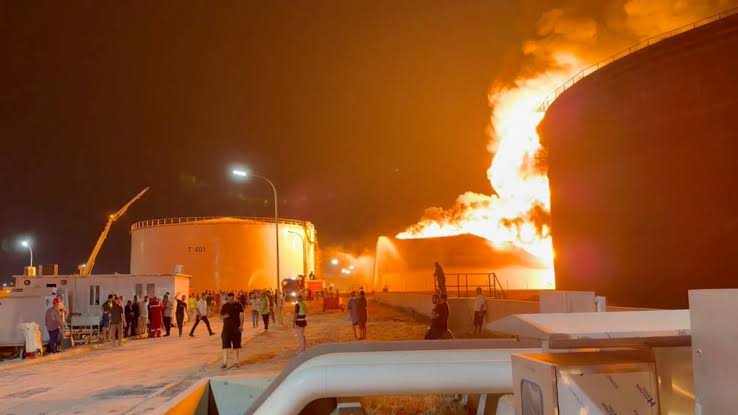
Repeated drone attacks on Zawiyah’s oil complex have pushed one of western Libya’s most volatile cities back into the center of the country’s security crisis. The latest attack struck a fuel storage tank at the Zawiyah refinery on August 10, triggering a major fire. The tank, operated by Brega Petroleum Marketing Company, contained about 4.5…
-
Egypt Reaffirms Its Influence as Takala Meeting Highlights Libya’s Strategic Importance
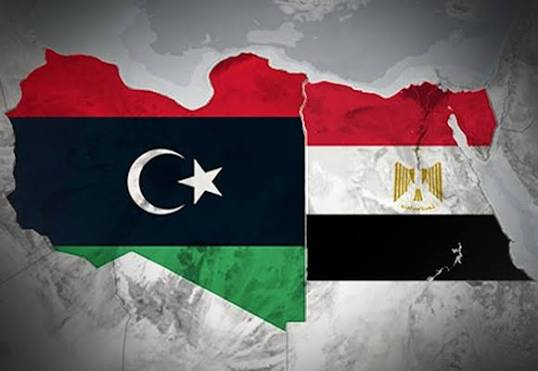
Egypt deepens diplomatic engagement Mohammed Takala’s meeting with Egypt’s Ambassador to Libya, Tamer El-Hefny, reflects more than a routine diplomatic exchange. The discussions underline Cairo’s continuing effort to remain one of the most influential regional actors shaping Libya’s political future while maintaining working relationships with multiple Libyan institutions. According to the High Council of State,…
-
Libya Expands Migrant Return Program as Authorities Shift Strategy on Irregular Migration
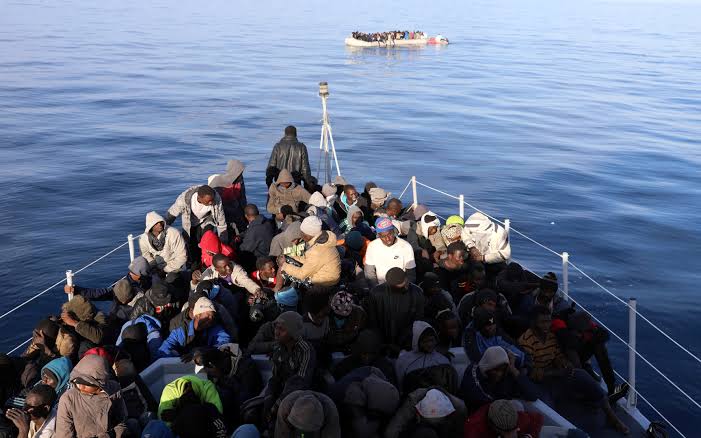
Libya launches second phase of migrant return program Libya’s Ministry of Interior has launched the second phase of its national migrant return program, marking another step in the country’s effort to manage irregular migration through voluntary returns, stronger border controls and closer cooperation with international organizations. The program builds on an initiative introduced in 2025…
-
Libya and Germany Renew Political Dialogue as Berlin Seeks Stability Role
Libya and Germany have renewed discussions on bilateral relations and the future of Libya’s political process, highlighting Berlin’s continued interest in supporting stability in the country. The talks come as Libya enters another sensitive phase of political negotiations, with international actors pushing for progress toward institutional unity and national elections. Germany has maintained one of…
-
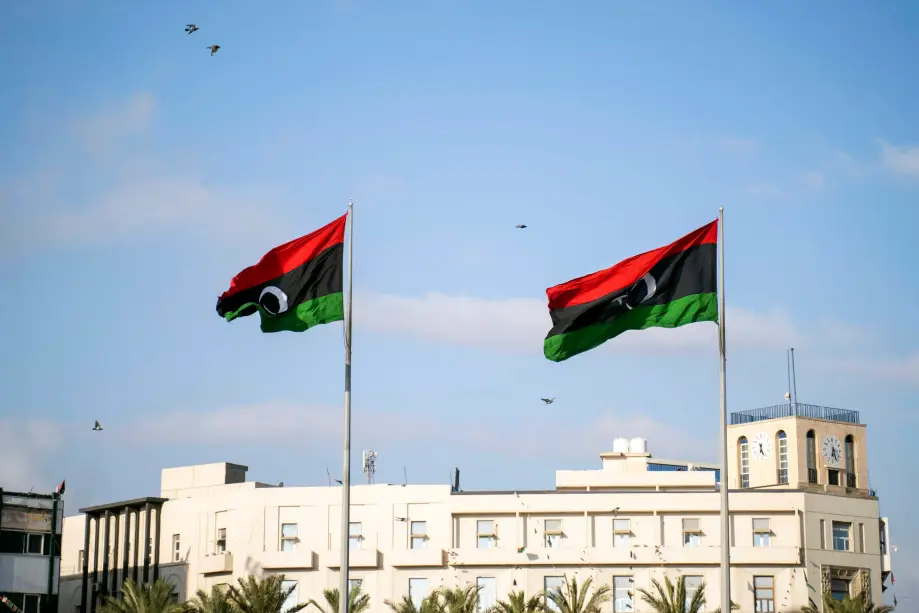
Libya’s High Council of State Begins New Phase After Leadership Elections
HCS Leadership Seeks to Reassert Political Influence Libya’s High Council of State has entered a new political phase following the election of its leadership, with the council’s presidency holding its first meeting to organize priorities and define its role in the country’s next stage of transition. The meeting, held in Tripoli, brought together newly elected…
-
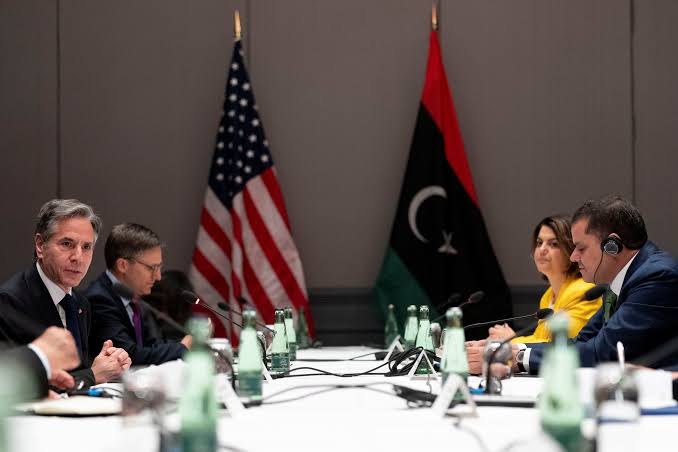
US Push for Military Cooperation Signals Renewed Effort to Bridge Libya’s East-West Divide
The United States has renewed its push to bring Libya’s rival security institutions closer together, placing military and security cooperation at the center of its latest diplomatic engagement with Tripoli. During talks with Prime Minister Abdulhamid Dbeibah, US Presidential Adviser for Arab and African Affairs Massad Boulos reviewed steps aimed at strengthening cooperation between eastern…
-
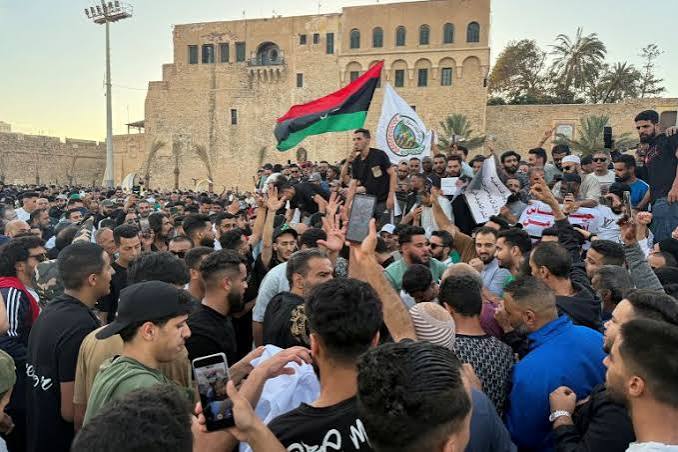
Libya’s Protest Wave: How Service Failures Are Fueling a Wider Political Crisis
Libya’s latest protests in Tripoli reflect a deeper problem than frustration over electricity shortages or deteriorating public services. They reveal a growing crisis of confidence in the country’s political system and the institutions that have failed to deliver stability more than a decade after the fall of Muammar Gaddafi. Demonstrators in the capital have called…
-
Libya’s Youth Question: Why Digital Creativity Could Shape the Country’s Future Stability
Libya’s future stability will depend not only on political agreements and security arrangements, but also on whether the country can engage a generation that represents the majority of its population. A new United Nations campaign, “Youth Voices for Libya’s Future,” highlights this challenge by inviting young Libyans to use digital creativity to express their vision…
-
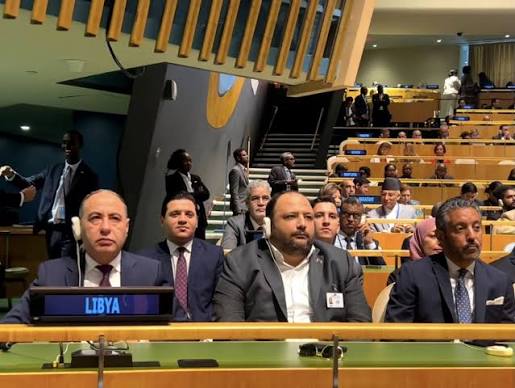
Libya Expands International Security Engagement at UN Counter-Terrorism Week
Libya has strengthened its international security engagement by participating in the United Nations Counter-Terrorism Week in New York, a high-level gathering that brings together governments, international organizations, and security experts to address evolving terrorist threats. The event comes at a time when Libya continues to rebuild its security institutions while facing persistent challenges along its…
-
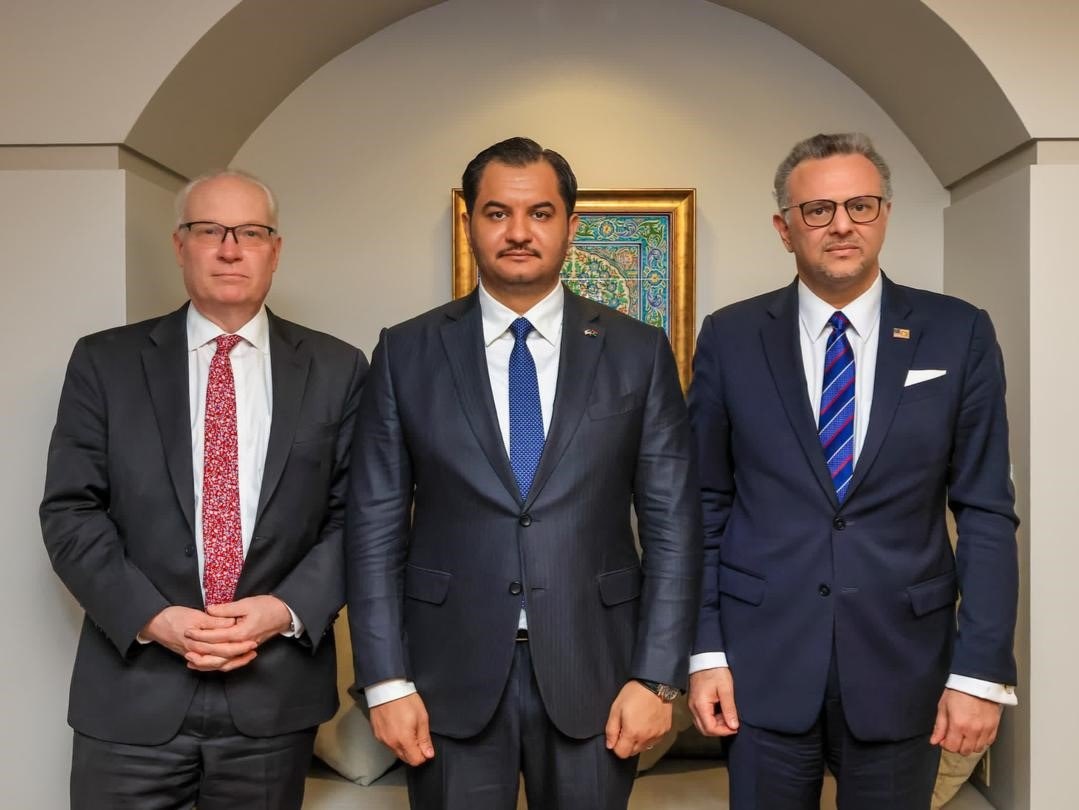
Libyan Army Deputy Commander Saddam Haftar Begins Official Visit to Washington, D.C.
Washington Visit Highlights Ongoing Security Engagement Libyan Army Deputy Commander-in-Chief Lieutenant General Saddam Haftar has arrived in Washington, D.C. on an official visit to the United States. The trip represents a continuation of structured engagement between eastern Libyan military leadership and U.S. security and diplomatic institutions. The visit takes place at a time when Libya…