
Category: Regional Security
-
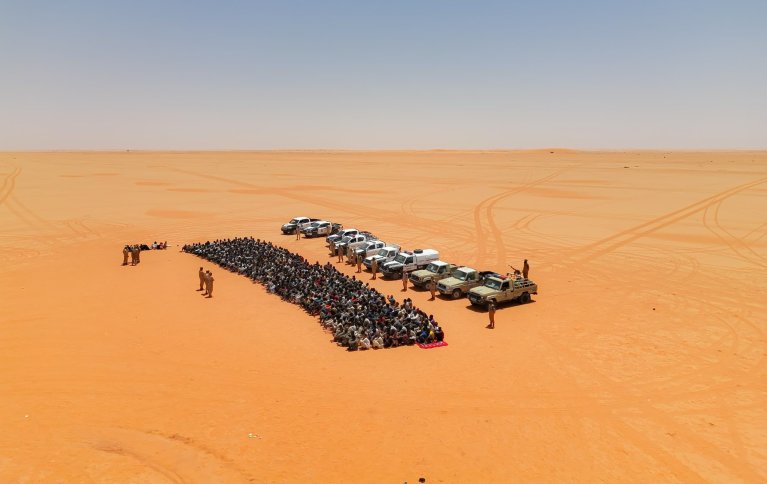
Sudan, Egypt and Turkey: How the War Next Door is Reshaping Libya’s Regional Position
The war in Sudan is changing the strategic importance of Libya’s southern border. At the same time, Egypt and Turkey are expanding their engagement across Libya’s political divide, producing a regional picture that looks very different from the one that emerged during Libya’s last major conflict. For years, Libya’s international relationships were relatively easy to…
-
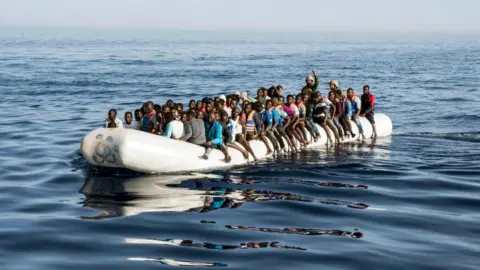
Eastern Libya Bans Entry for Citizens of Four African Countries Amid Growing Migration Pressures
Libya’s eastern-based government has announced a new ban on the entry of citizens from Sudan, Eritrea, Ethiopia, and Somalia through all land, air, and sea crossings. The measure marks one of the strongest migration control steps taken by eastern authorities in recent years and comes as Libya faces growing pressure from irregular migration flows across…
-
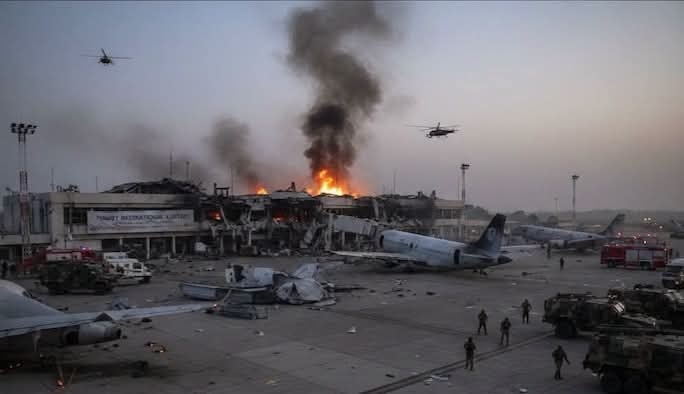
Niger Airport Attack Exposes Expanding Jihadist Threat Across the Sahel
Gunmen attacked Diori Hamani International Airport in Niger’s capital Niamey on June 18, 2026. The assault killed 11 security personnel and two civilians. Nigerien forces killed 22 attackers and arrested around 20 suspects, according to official statements. The attack marked the second major strike on the same airport this year. It also followed an earlier…
-
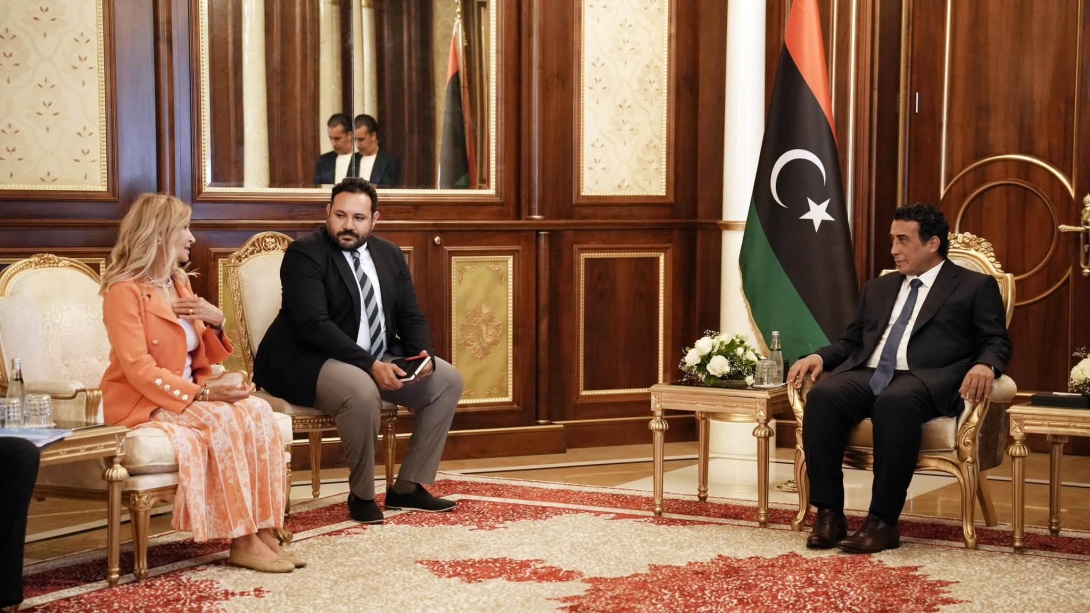
Switzerland Reengages Libya Through Security, Migration, and Reconciliation Diplomacy
Libya’s Presidential Council Head Mohamed al-Menfi received a Swiss Foreign Ministry delegation in Tripoli on Monday. The meeting took place at the Presidential Council headquarters and focused on political stability, migration, human rights, and national reconciliation. The Swiss delegation included Monika Schmutz Kirgöz, Head of the North Africa and Middle East Division at the Swiss…
-
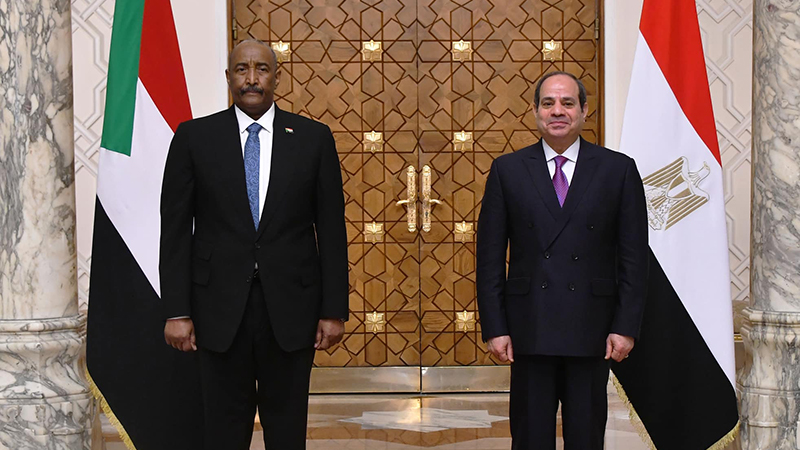
Egypt’s Return to Libya Diplomacy Signals a New Regional Balancing Effort
Recent discussions between Egyptian and American officials on Libya may appear routine, but they reflect a broader shift in regional diplomacy. After several years in which Cairo focused largely on security concerns along its western border, Egypt is once again positioning itself as a central player in Libya’s political future. The move comes as international…
-
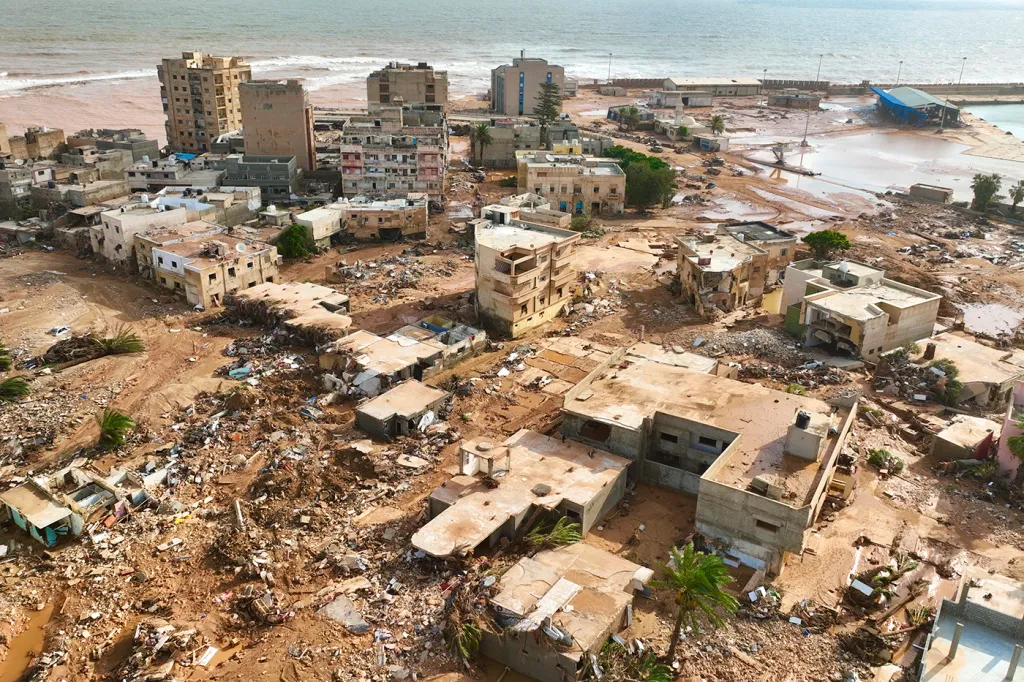
Climate Change Is Emerging as a Security Challenge for Libya
For many years, climate change sat outside traditional security discussions in Libya. Policymakers focused on political instability, economic pressures, border management, and armed groups. Yet climate-related risks increasingly affect the same areas that shape national security and state resilience. Across North Africa, governments now view climate change as more than an environmental issue. Rising temperatures,…
-
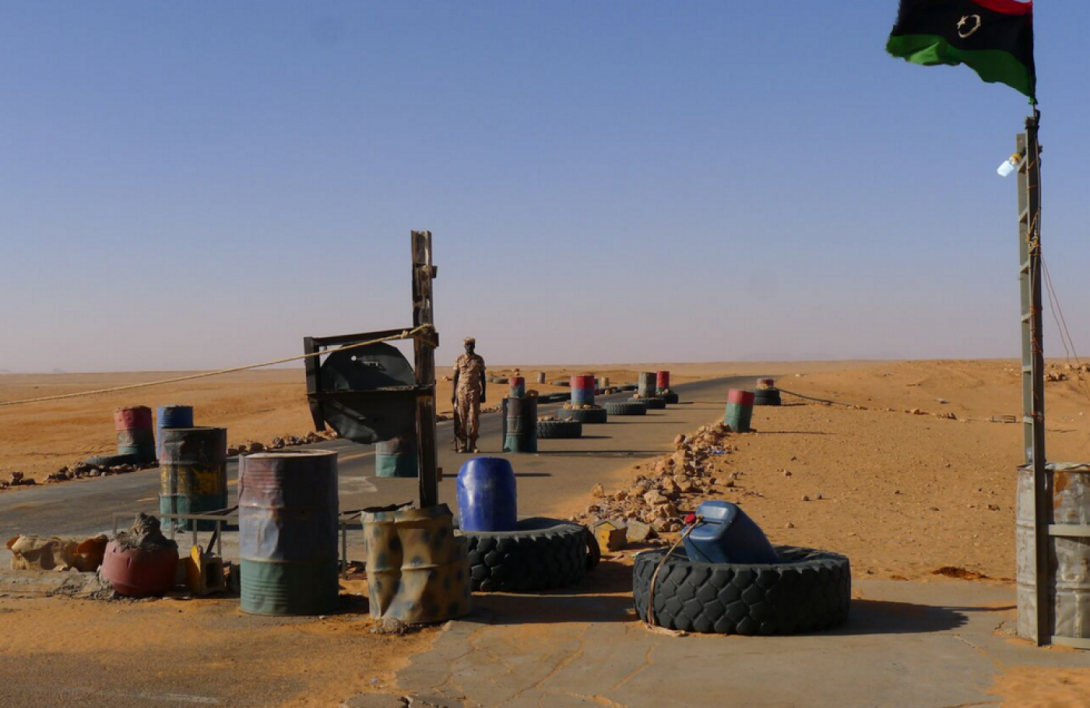
Libya’s Southern Frontier: Why Border Security Defines National Stability
Analysis When Libyans speak about national security, attention often turns to the major coastal cities. Yet the truth is that Libya’s stability is often decided much farther south, across the vast desert frontiers stretching toward Chad, Niger, and Sudan. The south has always been Libya’s most exposed strategic space. Its difficult terrain, long unmonitored routes,…
-
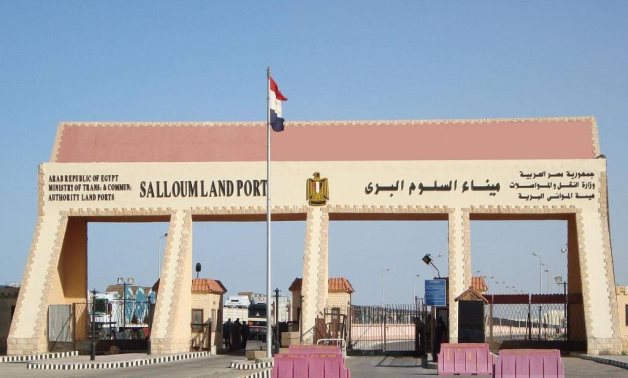
Libya Clarifies Egypt Border Crossing Rules Amid Regional Mobility Concerns
Libyan authorities have confirmed that the main land border crossing with Egypt currently allows passage only for Libyan and Egyptian citizens. The announcement has drawn attention across eastern Libya and western Egypt, where the Salloum–Musaid crossing remains a major transit point for trade, labor movement, medical travel, and family visits. The clarification comes at a…
-

From Border Security to Cybersecurity: Libya Expands Regional Security Coordination
Cybersecurity has become one of the fastest-growing security challenges across the Middle East and North Africa. Governments now face organized cyber fraud networks that operate across borders, target financial systems, exploit weak digital infrastructure, and steal millions from individuals and institutions every year. Libya’s recent participation in INTERPOL’s “Operation Ramz” reflects a broader shift in…
-
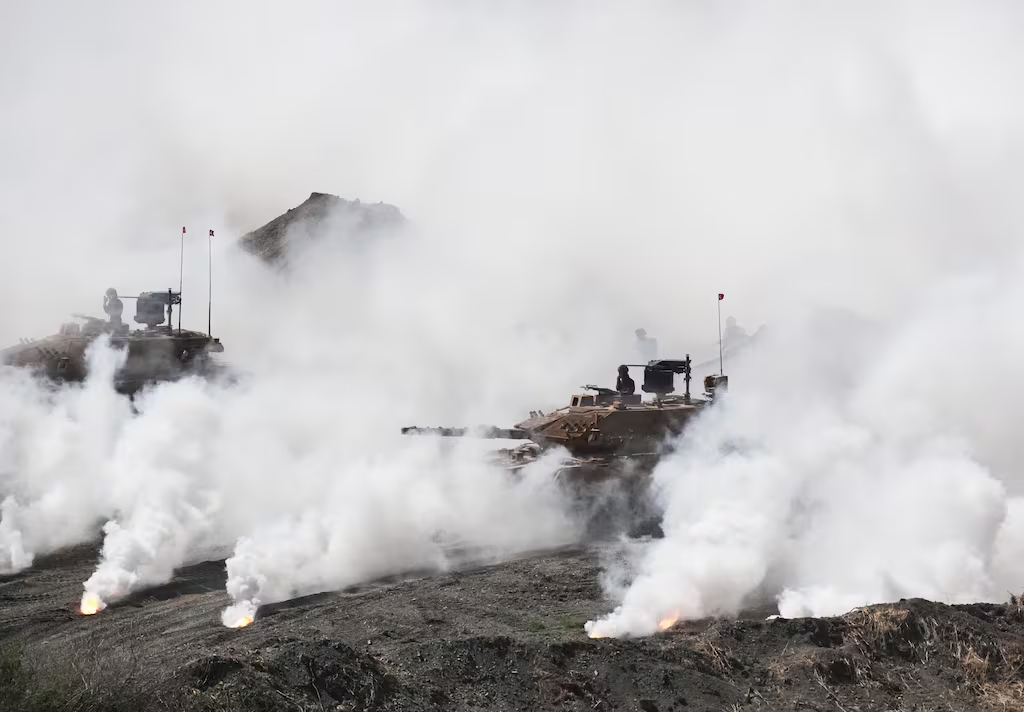
Libya’s Participation in Turkey’s EFES-2026 Drill Reflects Growing Military Coordination and Regional Engagement
Libya’s participation in Turkey’s EFES-2026 military exercise marks an important development for the country’s evolving security landscape. The exercise highlighted not only Turkey’s expanding regional defense partnerships, but also Libya’s growing efforts to improve military coordination, operational readiness, and international engagement. Held in western Turkey, EFES-2026 brought together more than 10,000 military personnel from around…