Libya’s participation in Turkey’s EFES-2026 military exercise marks an important development for the country’s evolving security landscape. The exercise highlighted not only Turkey’s expanding regional defense partnerships, but also Libya’s growing efforts to improve military coordination, operational readiness, and international engagement.
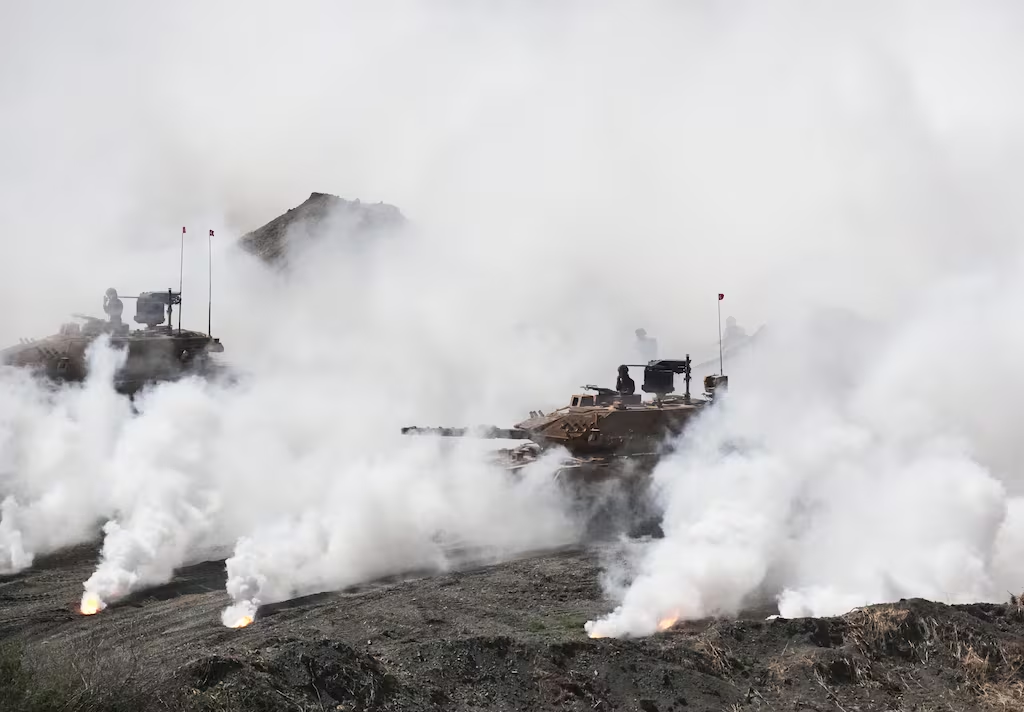
Held in western Turkey, EFES-2026 brought together more than 10,000 military personnel from around 50 countries. The drills included amphibious assaults, live-fire exercises, naval operations, special forces training, and battlefield coordination scenarios.
For Libya, participation carried symbolic and practical importance at the same time.
The country deployed more than 500 personnel to the exercise, including units from both eastern and western Libya. According to reports, Libyan personnel trained in combat engineering, amphibious operations, special forces coordination, combat diving, search-and-rescue missions, and electronic warfare systems.
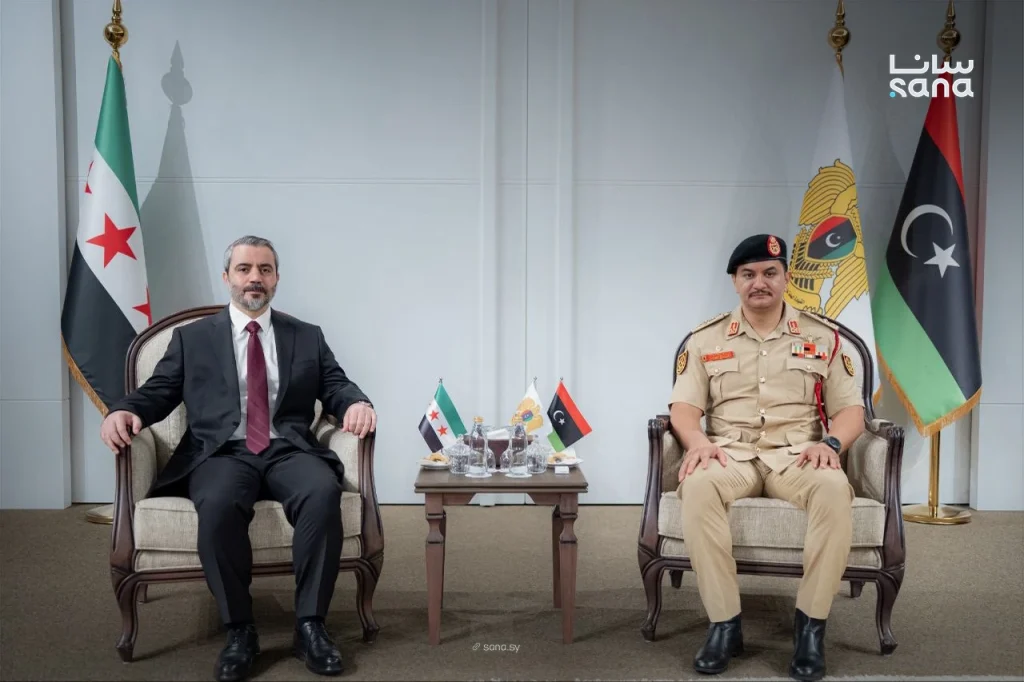
The exercise represented one of the rare occasions where eastern and western Libyan military personnel operated together abroad under a unified Libyan flag. That alone gave the event added significance for Libya’s long-term institutional development.
Turkey Continues Expanding Regional Defense Cooperation
Turkey has steadily increased its military partnerships across several regions over recent years. Ankara now plays a larger role in defense training, drone exports, naval cooperation, and multinational military exercises across the Mediterranean, North Africa, and the Middle East.
EFES serves as one of the clearest examples of that strategy.
The exercise allows Turkey to strengthen operational ties with partner countries while also showcasing its military industry and defense capabilities. Libya’s inclusion reflects the close security relationship that developed between Ankara and western Libyan authorities over recent years.
Turkey already maintains military cooperation agreements with Libya involving training, advisory support, and naval coordination. Turkish military assistance also played a major role during Libya’s western conflict in 2020.
However, EFES-2026 showed a more institutional and long-term dimension of that relationship.
Instead of focusing only on wartime support, the exercise emphasized training, interoperability, technical coordination, and military professionalism. These areas matter greatly for Libya as the country continues rebuilding fragmented security institutions.
At the same time, Libya’s participation did not appear framed around regional confrontation or geopolitical escalation. The focus remained centered on operational readiness and multinational military cooperation.
That distinction remains important because Libya continues balancing relationships with multiple regional and international actors.
Libya’s Military Institutions Are Seeking More Professionalization
Libya’s armed forces still face major structural challenges after years of political division and conflict. Rival command structures continue operating across different parts of the country, and full military unification has not yet occurred.
Despite that reality, recent multinational exercises suggest that some areas of military coordination have gradually improved.
Earlier this year, Libya also participated in the Flintlock-2026 multinational special operations exercise held in Sirte alongside several international partners.
These exercises help Libyan personnel gain exposure to multinational operational environments and modern battlefield procedures. They also improve coordination between land, naval, and special operations units.
Military professionalism depends on more than battlefield experience alone. Modern armed forces require logistical organization, communications systems, technical training, command integration, and operational discipline.
Exercises like EFES contribute to those areas.
Libya’s participation in amphibious and naval phases of the drill carried additional importance because maritime security continues growing in strategic value for the country.
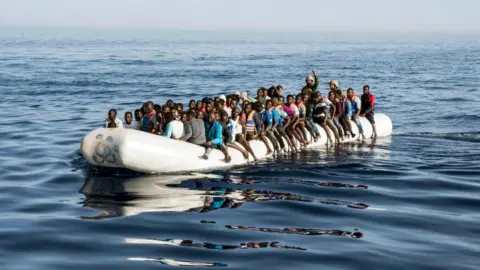
Libya possesses one of the Mediterranean’s longest coastlines. Maritime security directly affects energy exports, anti-smuggling operations, migration monitoring, and economic stability. Strengthening naval coordination and coastal operations therefore supports wider national security objectives.
Military Technology and Tactical Coordination Continue Evolving
The exercise also highlighted how Libya’s military environment has gradually modernized in recent years.
Different Libyan factions increasingly rely on drones, surveillance systems, tactical mobility, and specialized units. Technology now plays a far larger role in Libya’s security environment than it did earlier in the conflict.
Turkey has become one of the region’s leading drone producers and defense exporters. Libyan forces working alongside Turkish systems and operational methods therefore gain exposure to more modern battlefield coordination techniques.
This does not mean Libya has developed a fully modernized military structure. Significant gaps still remain across logistics, central command, procurement systems, and institutional integration.
However, participation in multinational exercises helps narrow some of those gaps over time.
Joint training environments expose personnel to operational planning systems, command procedures, engineering coordination, battlefield medical support, and communications management. These functions rarely receive public attention, but they remain essential for military effectiveness.
The fact that Libyan personnel from different regions trained together during EFES may also help build practical coordination channels between rival structures.
Military confidence-building often develops gradually through technical cooperation and shared operational environments before larger political agreements emerge.
Libya’s Regional Engagement Is Increasing
Libya’s participation in EFES-2026 also reflects a broader trend. The country has become more engaged in regional military and security initiatives over the past two years.
That shift partly reflects Libya’s geographic position. The country sits at the center of several interconnected security challenges involving the Mediterranean, North Africa, migration routes, maritime trade, and Sahel instability.
As a result, regional cooperation increasingly matters for Libyan security institutions.
Multinational exercises offer Libya opportunities to strengthen operational capabilities while maintaining working relationships with different partners.
At the same time, Libya appears careful not to over-politicize these military partnerships. Officials continue presenting participation in international drills primarily as part of institutional development and military training efforts.
That balanced approach likely helps Libya avoid becoming overly tied to broader regional rivalries while still benefiting from defense cooperation.
A Gradual Step Toward Greater Coordination
EFES-2026 did not transform Libya’s military landscape overnight. The country still faces serious political and institutional divisions, and major security challenges remain unresolved.
However, the exercise demonstrated gradual progress in several important areas.
Libyan forces gained operational exposure, advanced training opportunities, and multinational coordination experience. More importantly, eastern and western personnel participated together under a shared national framework during a major international military exercise.
That development carries both symbolic and practical value.
For Turkey, the exercise reinforced Ankara’s role as an important regional defense partner. For Libya, it highlighted continuing efforts to improve military professionalism, coordination, and regional engagement after years of fragmentation and instability.