Washington Visit Highlights Ongoing Security Engagement
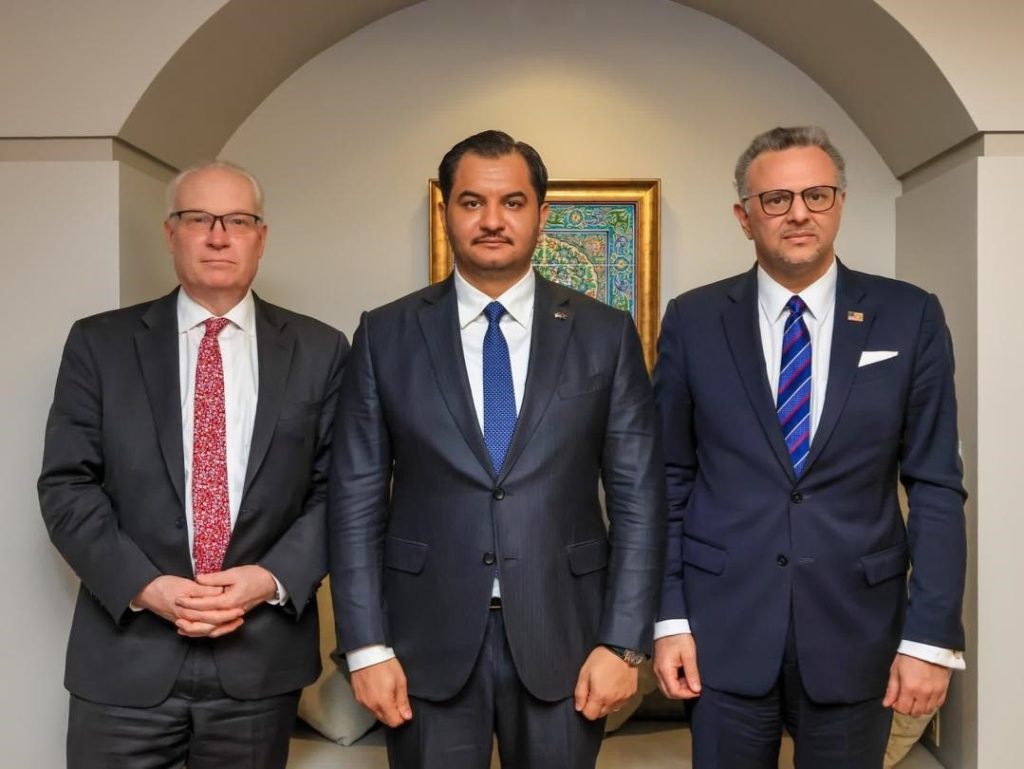
Libyan Army Deputy Commander-in-Chief Lieutenant General Saddam Haftar has arrived in Washington, D.C. on an official visit to the United States. The trip represents a continuation of structured engagement between eastern Libyan military leadership and U.S. security and diplomatic institutions.
The visit takes place at a time when Libya remains politically divided and security coordination continues to rely on parallel channels of communication. While official details of the agenda have not been publicly confirmed, the context suggests discussions related to military cooperation, regional stability, and institutional security frameworks.
The timing of the visit reflects sustained interest from both sides in maintaining dialogue on Libya’s security challenges, particularly at a moment when regional dynamics across North Africa and the Sahel remain unstable.
A Key Figure Within Eastern Libya’s Military Structure
Saddam Haftar holds the position of Deputy Commander-in-Chief of the Libyan National Army, operating within the eastern military command structure led by Field Marshal Khalifa Haftar.
Over recent years, he has become an increasingly visible figure in both domestic military coordination and external diplomatic engagement. His role has expanded beyond operational responsibilities to include participation in international meetings and security-focused discussions with regional and Western officials.
His arrival in Washington further reflects this trajectory. It underscores the continued engagement of eastern Libyan military leadership with international partners, particularly on issues related to security governance, border control, and counterterrorism cooperation.
Continued Libya–US Military Communication Channels
The Washington visit builds on a pattern of ongoing engagement between Libyan military figures and U.S. defense institutions. In previous years, Saddam Haftar has taken part in meetings with American officials, including representatives of U.S. Africa Command and the State Department.
Those discussions have typically focused on Libya’s fragmented security environment and the challenges posed by divided military structures. They have also addressed broader concerns such as border security, militant mobility across the Sahel, and the need for improved institutional coordination.
U.S. engagement with Libya has generally followed a dual-track approach. It maintains contact with multiple Libyan actors while encouraging gradual steps toward unified national security institutions. This approach reflects a long-standing American priority of preventing renewed large-scale conflict and reducing regional instability.
The Washington visit continues within that framework of pragmatic and incremental engagement.
U.S. Priorities Center on Stability and Regional Security
For the United States, Libya remains a strategic security concern rather than solely a bilateral political issue. Policy priorities extend across counterterrorism operations, migration control, and maritime stability in the Mediterranean.
Washington has consistently supported efforts aimed at strengthening Libya’s security institutions, particularly those that improve coordination and reduce fragmentation among armed groups. The broader objective is to support conditions that limit instability spillover into neighboring regions.
Libya also plays a role in wider U.S. strategy across North Africa and the Sahel, where armed groups and illicit networks continue to operate across porous borders. In this context, engagement with Libyan military leadership serves both tactical and regional objectives.
The presence of a senior Libyan military figure in Washington therefore aligns with ongoing U.S. efforts to maintain structured communication with actors who hold operational influence on the ground.
Libya’s Fragmented Security Landscape Shapes External Engagement
Libya’s internal security structure remains divided between competing institutions in the east and west. Despite periods of reduced large-scale conflict since the 2020 ceasefire, the country continues to operate without a unified military command.
This fragmentation has made external engagement a central feature of Libya’s security management. International partners, including the United States, have adopted a policy of engaging multiple Libyan stakeholders to maintain stability and reduce the risk of escalation.
Military diplomacy has therefore become one of the few consistent mechanisms for communication across Libya’s divided landscape. These channels allow for discussion of operational issues even in the absence of broader political consensus.
Saddam Haftar’s visit reflects this reality. It illustrates how Libya’s military actors continue to interact with external partners in a structured but politically complex environment.
Regional Dynamics Reinforce Strategic Importance
Libya’s security situation is closely linked to wider regional developments. Instability in neighboring countries, particularly across the Sahel, continues to affect border security and migration flows.
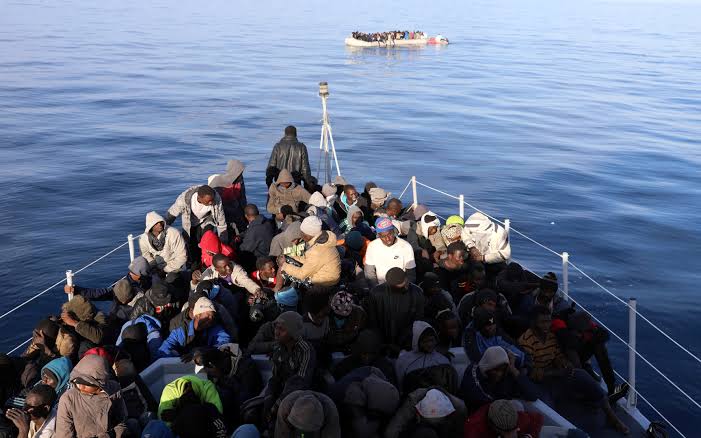
These cross-border pressures have reinforced Libya’s strategic importance for both regional governments and international actors. The country remains a key transit point for migration routes and a focal point for counterterrorism monitoring in the southern Mediterranean corridor.
For the United States and its partners, Libya’s stability is closely tied to broader regional security goals. These include preventing the expansion of extremist networks, securing maritime routes, and supporting stability in adjacent conflict-prone areas.
The Washington visit takes place within this wider strategic context, where Libya is viewed as part of a broader security system rather than an isolated case.
Gradual Normalization of Military Diplomacy
The visit also reflects a broader trend in Libya’s international relations: the gradual normalization of military diplomacy despite the absence of a final political settlement.
Military actors from both eastern and western Libya continue to engage with international partners through meetings, training programs, and technical discussions. These interactions focus on practical cooperation rather than political resolution.
This pattern has become a defining feature of Libya’s external relations. It allows international actors to maintain engagement while avoiding full political alignment with any single domestic authority.
Saddam Haftar’s Washington trip fits into this framework of pragmatic and functional diplomacy.
Conclusion: Structured Engagement Amid Ongoing Division
Saddam Haftar’s arrival in Washington underscores the continued role of military diplomacy in Libya’s external relations. The visit reflects sustained engagement between eastern Libyan military leadership and the United States at a time when Libya’s political and security structures remain divided.
While the trip is unlikely to produce immediate political change, it reinforces ongoing communication channels focused on stability, counterterrorism cooperation, and regional security coordination.
For Washington, the engagement aligns with broader strategic priorities across North Africa and the Sahel. For Libya, it reflects the continued importance of maintaining external dialogue as the country navigates an incomplete transition and fragmented security environment.
In this context, the visit stands less as a political turning point and more as part of a continuing process of managed engagement, where stability and communication remain the central objectives.