Libya’s eastern-based government has announced a new ban on the entry of citizens from Sudan, Eritrea, Ethiopia, and Somalia through all land, air, and sea crossings. The measure marks one of the strongest migration control steps taken by eastern authorities in recent years and comes as Libya faces growing pressure from irregular migration flows across its southern borders.
The decision exempts diplomats and individuals working in the health and education sectors. Authorities have not specified how long the restrictions will remain in force.
The announcement arrives during a period of heightened political debate over migration across Libya. Both eastern and western authorities have intensified efforts to curb irregular migration as public concern grows over border security, economic pressures, and the country’s role as a transit hub for Europe-bound migrants.
Migration Pressures Continue to Rise
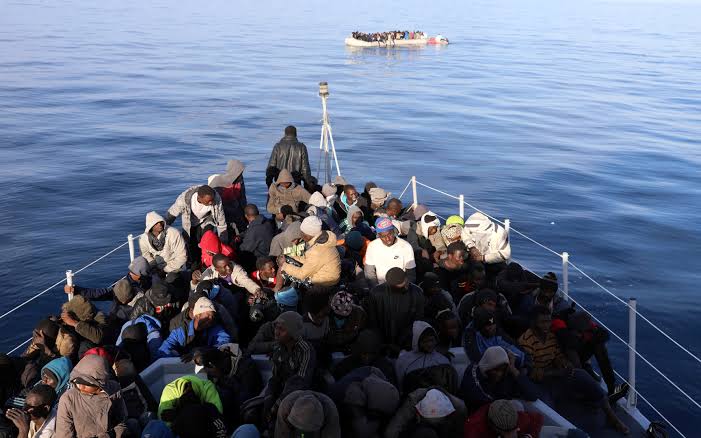
Libya remains one of the main transit points for migrants and refugees attempting to reach Europe through the Central Mediterranean route. According to United Nations estimates, more than 900,000 migrants and refugees currently reside in Libya, with Sudanese nationals representing the largest group.
The conflict in Sudan has significantly increased migration flows toward Libya since 2023. Thousands of Sudanese have crossed Libya’s southern borders seeking safety, employment opportunities, or onward passage to Europe. Regional migration pressures have also intensified as neighboring countries tighten their own border controls and refugee policies.
Eastern Libya shares long desert borders with Sudan, Chad, and Egypt. Security agencies have repeatedly highlighted the challenges of monitoring remote crossing points that smugglers frequently use to move migrants, goods, and illicit cargo across the region.
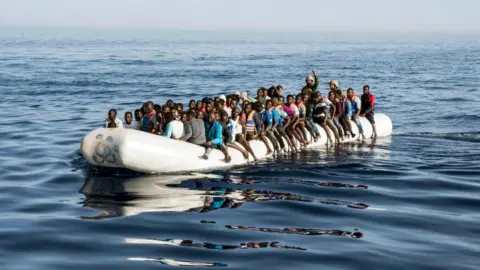
The latest restrictions also follow a series of deadly incidents involving migrants along Libya’s Mediterranean coast. Earlier this month, a migrant boat capsized off eastern Libya, leaving dozens dead or missing. The tragedy highlighted the continued risks associated with irregular migration routes from North Africa to Europe.
Security and Political Dimensions
Migration has become a central security issue for Libyan authorities. Officials often link uncontrolled migration flows to human trafficking networks, smuggling operations, document fraud, and broader border security concerns.
The eastern government’s decision reflects a wider regional trend. Several North African countries have tightened migration controls as governments seek to manage growing population movements driven by conflict, economic hardship, and climate-related pressures across the Sahel and Horn of Africa.
The move also comes amid increasing scrutiny of Libya’s migration policies. Human rights organizations have criticized recent crackdowns on migrants and refugees in both eastern and western Libya, while European governments continue to view Libya as a key partner in efforts to reduce irregular migration across the Mediterranean.
Recent demonstrations in Tripoli have further illustrated how migration has become a politically sensitive issue inside Libya. Protesters have expressed concerns about demographic change, economic competition, and the country’s limited capacity to absorb large migrant populations.
Analytical Outlook
The entry ban signals a tougher migration posture from eastern Libya at a time when migration pressures across North Africa continue to grow. While authorities present the measure as a border management and security initiative, its practical impact will depend on enforcement across Libya’s vast and difficult-to-monitor southern frontier.
The decision also highlights Libya’s increasingly complex position between Africa’s migration corridors and Europe’s border security agenda. As conflicts persist in Sudan and instability continues across parts of the Sahel and the Horn of Africa, migration is likely to remain a major security and political challenge for Libyan authorities in both the east and west.
The effectiveness of the new restrictions will ultimately depend on broader regional cooperation, stronger border management capabilities, and efforts to address the underlying drivers of migration across Africa’s conflict-affected regions.