Libya launches second phase of migrant return program
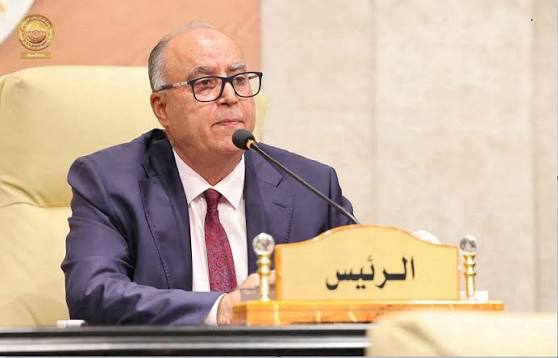
Libya’s Ministry of Interior has launched the second phase of its national migrant return program, marking another step in the country’s effort to manage irregular migration through voluntary returns, stronger border controls and closer cooperation with international organizations.
The program builds on an initiative introduced in 2025 that offers irregular migrants the opportunity to return voluntarily to their countries of origin through coordinated flights and administrative support. Authorities say the new phase will expand registration, increase the number of return flights and strengthen coordination with foreign embassies and the International Organization for Migration (IOM). The ministry also reaffirmed that migrants who choose to return voluntarily will not face departure penalties and that the process will follow humanitarian standards.
While the announcement appears administrative, it reflects a broader shift in Libya’s migration policy. Instead of relying solely on interception and detention, the government increasingly presents voluntary return as one pillar of a wider security strategy designed to reduce pressure on the country and weaken migrant smuggling networks.
Migration remains one of Libya’s biggest security challenges
Migration continues to shape Libya’s domestic security environment and its relations with Europe.
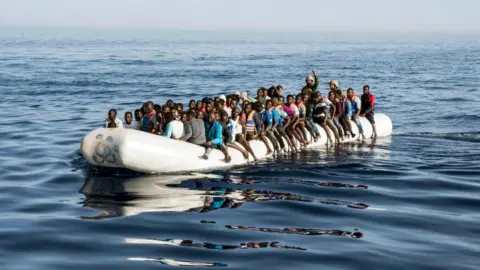
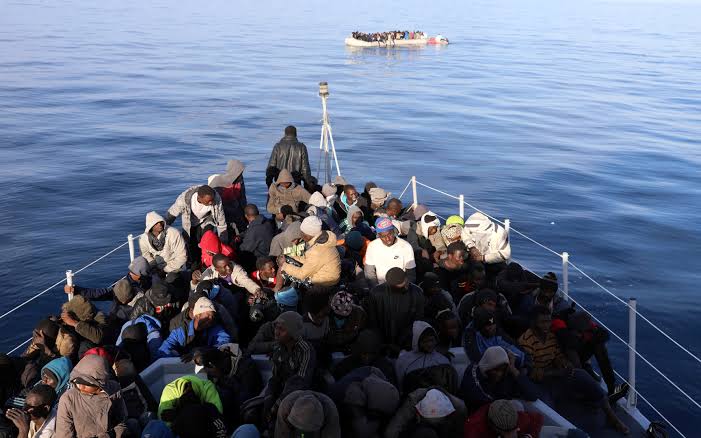
The country sits at the crossroads of migration routes linking sub-Saharan Africa with the Mediterranean. Political instability, vast desert borders and the presence of organized criminal networks have turned Libya into one of the region’s main transit hubs for irregular migration.
Officials repeatedly argue that Libya cannot manage the challenge alone. During a recent Quadripartite Cooperation Committee meeting in Rome involving Libya, Italy, Turkey and Qatar, Libyan representatives described migration as a security, humanitarian and sovereignty issue that requires stronger international support. The government also stressed that Libya should not become a permanent destination for irregular migrants and emphasized voluntary return, border management and action against human trafficking as key priorities.
The Interior Ministry’s latest initiative aligns with that broader strategy.
Voluntary returns have become a central policy tool
Voluntary humanitarian return has grown steadily over the past decade.
According to IOM, more than 53,000 migrants have returned safely from Libya to their home countries through its Voluntary Humanitarian Return programme since 2015. Thousands more remain registered for assistance as demand continues to rise.
For Libyan authorities, the program offers several advantages.
It reduces overcrowding in migrant facilities, lowers administrative costs and creates a legal pathway for migrants who no longer wish to continue their journey toward Europe. It also allows authorities to focus security resources on dismantling trafficking organizations rather than managing large numbers of stranded migrants.
However, the program depends heavily on cooperation with countries of origin, airlines, diplomatic missions and international agencies. Without that coordination, voluntary return operations become significantly more difficult to organize.
Security gains depend on disrupting trafficking networks
The return program addresses only one part of Libya’s migration challenge.
Human trafficking networks continue to exploit migrants across southern Libya and along the Mediterranean coast. These criminal groups generate substantial profits through smuggling, extortion, document fraud and forced labor.
Libyan security agencies have intensified operations against these networks during the past year, while international partners continue to support border surveillance, intelligence sharing and institutional capacity building. Authorities increasingly view migrant returns and anti-smuggling operations as complementary policies rather than separate initiatives.
Reducing the number of stranded migrants can weaken the business model of trafficking groups, but security officials acknowledge that criminal networks quickly adapt when migration routes shift.
International scrutiny will continue
Although voluntary return program receive broad support from international organizations, they also remain subject to close scrutiny.
Human rights organizations have argued that returns must remain genuinely voluntary and accompanied by adequate reintegration support after migrants arrive home. They also warn that broader migration management policies should continue to protect vulnerable migrants from exploitation and abuse.
These concerns have placed Libya under continuous international observation as European governments deepen cooperation with Tripoli on migration management.
For European policymakers, reducing irregular crossings across the Central Mediterranean remains a strategic priority. For Libya, migration represents a national security issue that affects border stability, organized crime, public services and relations with neighboring countries.
A broader strategic shift
The second phase of Libya’s migrant return program signals more than an expansion of humanitarian repatriation.
It reflects an effort to combine security operations, international diplomacy and migration management into a more comprehensive policy framework. Success will depend on sustained cooperation with international partners, stronger control over Libya’s southern borders and continued pressure on trafficking networks that profit from irregular migration.
If authorities maintain that balance, voluntary return could become an increasingly important component of Libya’s long-term migration strategy. On its own, however, it will not solve the structural drivers that continue to push thousands of migrants toward Libya every year.