
Author: Ahmed Mousa
-
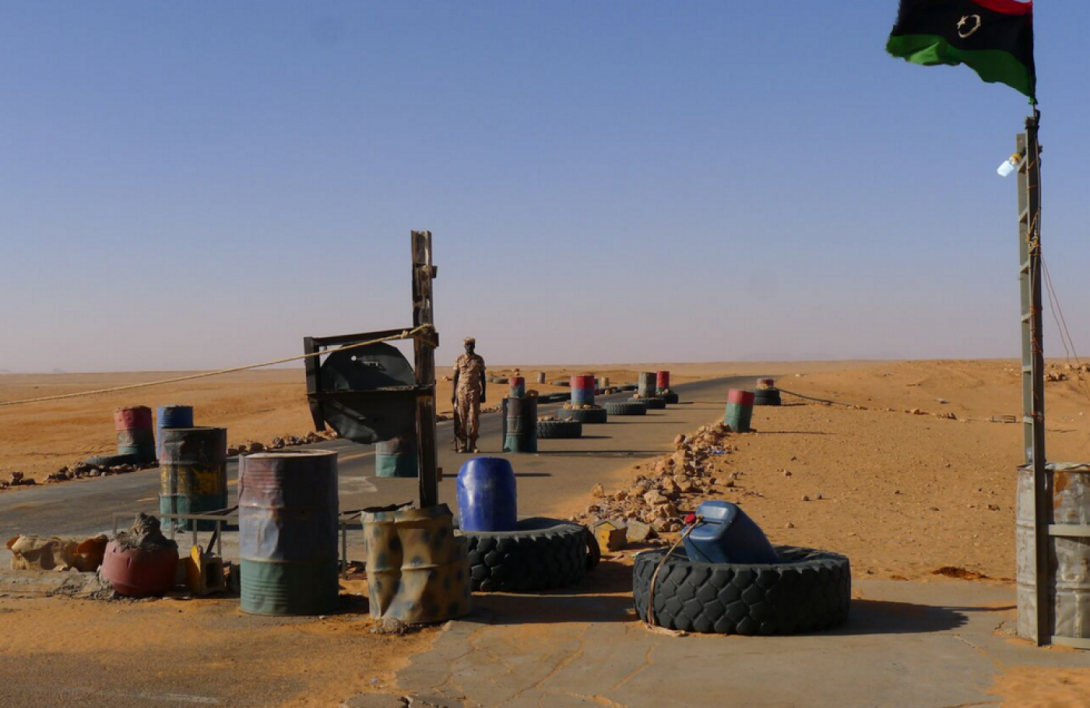
Libya’s Southern Frontier: Why Border Security Defines National Stability
Analysis When Libyans speak about national security, attention often turns to the major coastal cities. Yet the truth is that Libya’s stability is often decided much farther south, across the vast desert frontiers stretching toward Chad, Niger, and Sudan. The south has always been Libya’s most exposed strategic space. Its difficult terrain, long unmonitored routes,…
-
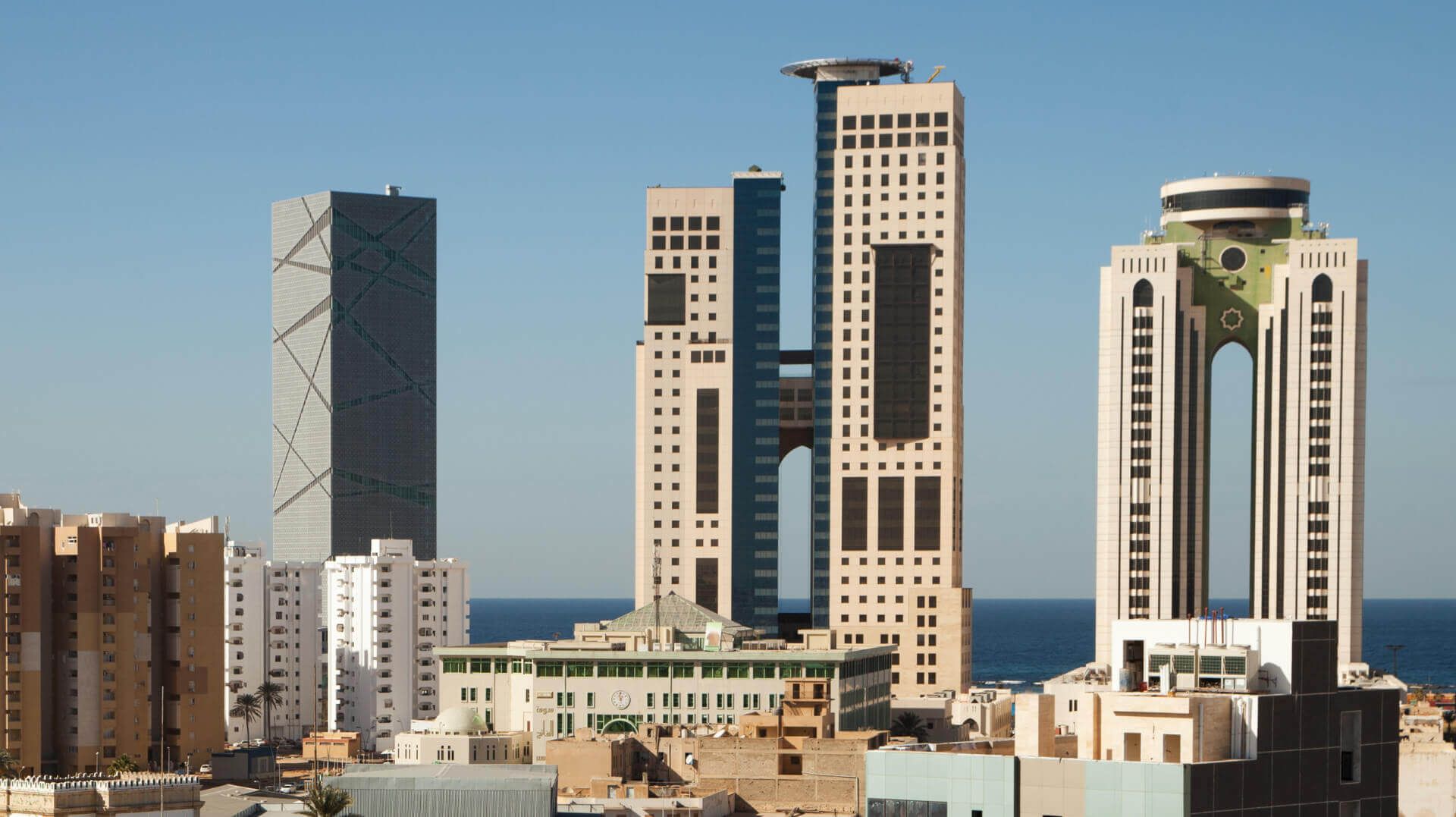
The Growing Pains of Home: Navigating Urban Pressure and the Human Heart of Libya’s Major Cities
If you stand on a balcony in a high-rise in Tripoli at dusk, or walk along the Corniche in Benghazi, you can feel a pulse that didn’t exist twenty years ago. It is a vibrant, restless energy—the sound of a nation in motion. Libya’s urban centers are no longer just administrative hubs; they have become…
-
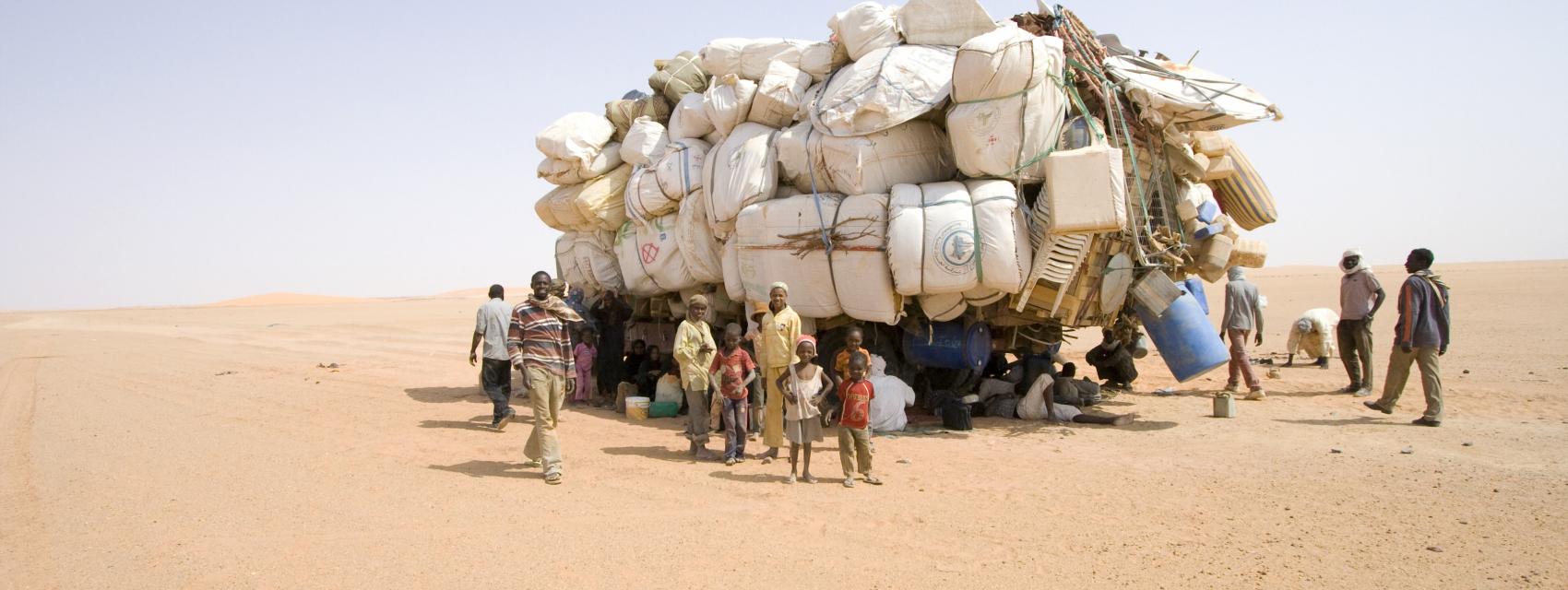
Why Libya’s Young Professionals Are Leaving: Brain Drain Explained
When we discuss Libya’s future, the conversation usually circles back to the same familiar pillars: political transitions, security arrangements, and the fluctuating price of oil. These are the “loud” issues, the ones that make the evening news and fill the briefing papers of international envoys. But beneath the surface of these high-level priorities lies a…
-
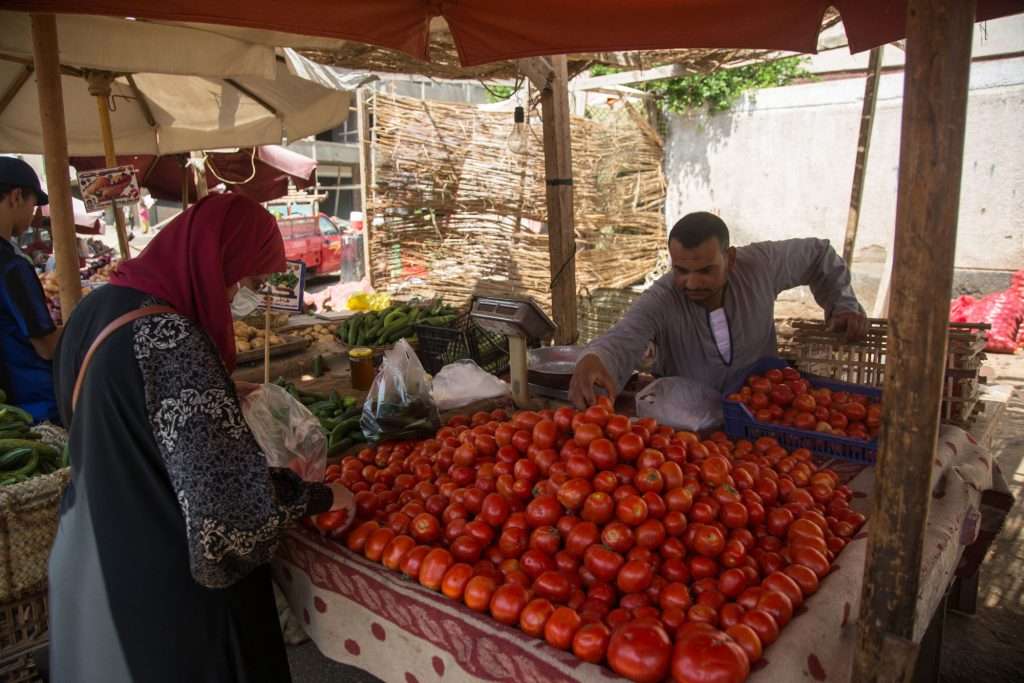
Rising Prices, Limited Opportunities: Youth Disillusionment as an Emerging Stability Risk in Libya
Libya’s economic difficulties are often discussed in terms of inflation, currency depreciation, and pressure on public finances. Yet one of the most important dimensions of this crisis receives less attention: its effect on Libya’s youth. Rising living costs and limited job opportunities are not only affecting the immediate welfare of young Libyans. They are also…