
Category: Domestic Affairs
-
Libya Dismantles Drone Attack Cell
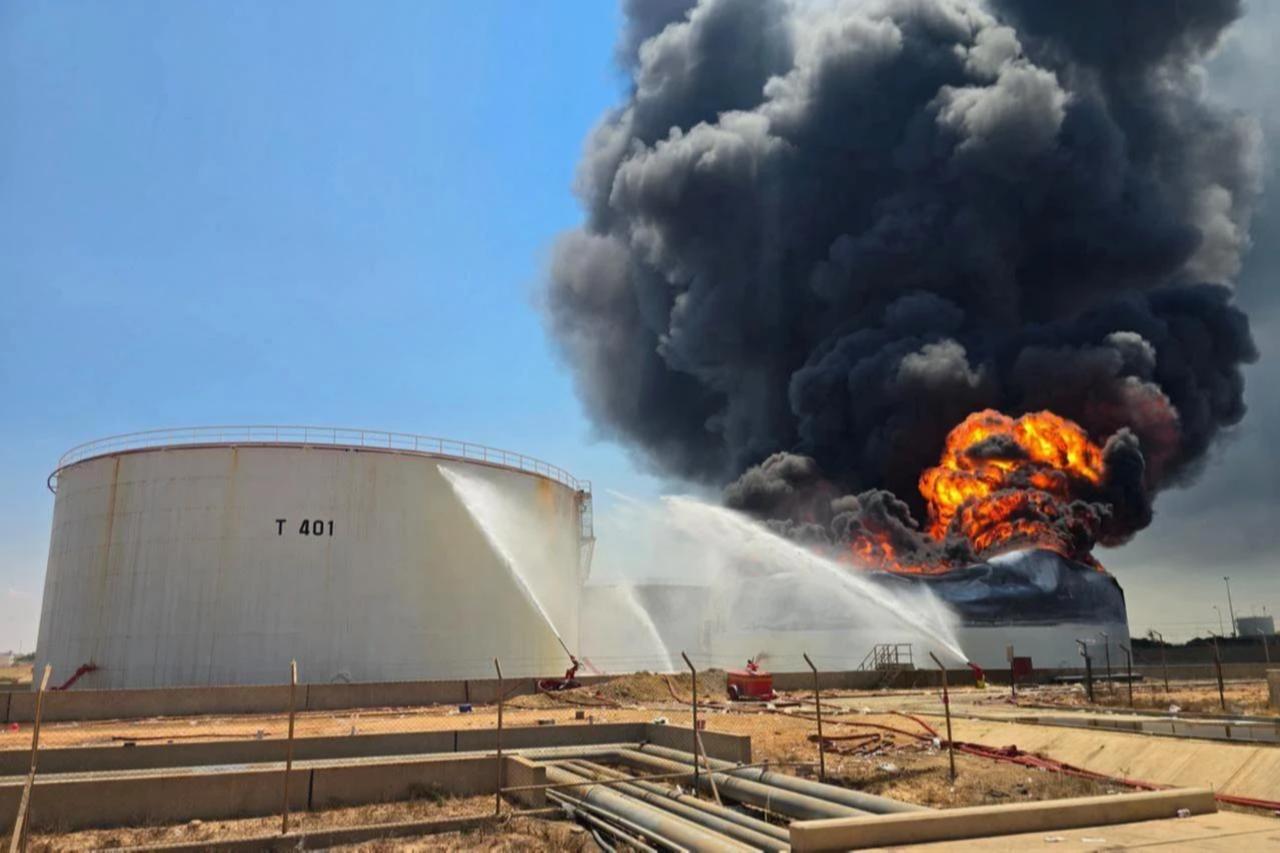
Libyan authorities say they have dismantled an organized sabotage cell accused of carrying out drone attacks against oil and electricity infrastructure in western Libya, providing the first major public breakthrough in the investigation into a series of attacks that have exposed vulnerabilities around the country’s critical energy facilities, according to Anadolu Agency’s latest report. The…
-
Libya’s Drone Problem Is Bigger Than the 4+4 Deal
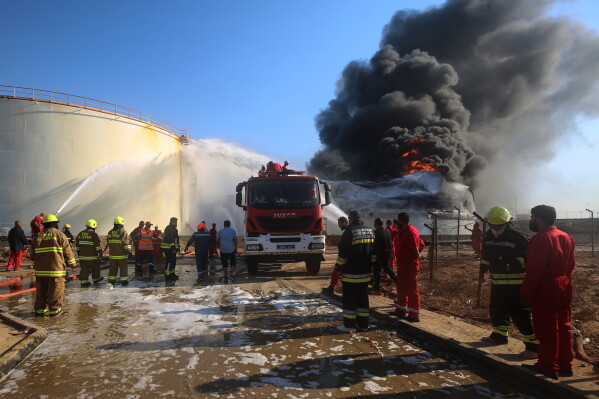
The drone that reached a fuel depot on Tripoli’s Airport Road last week arrived at an awkward moment for Libya. Days earlier, the country’s rival political camps had endorsed the 4+4 framework, reviving the prospect of a unified executive authority and elections. Then, on September 3, an unmanned aircraft entered the airspace of a strategic…
-
Libya’s Central Bank Crisis Becomes a National Security Risk as Reform Committee Takes Shape
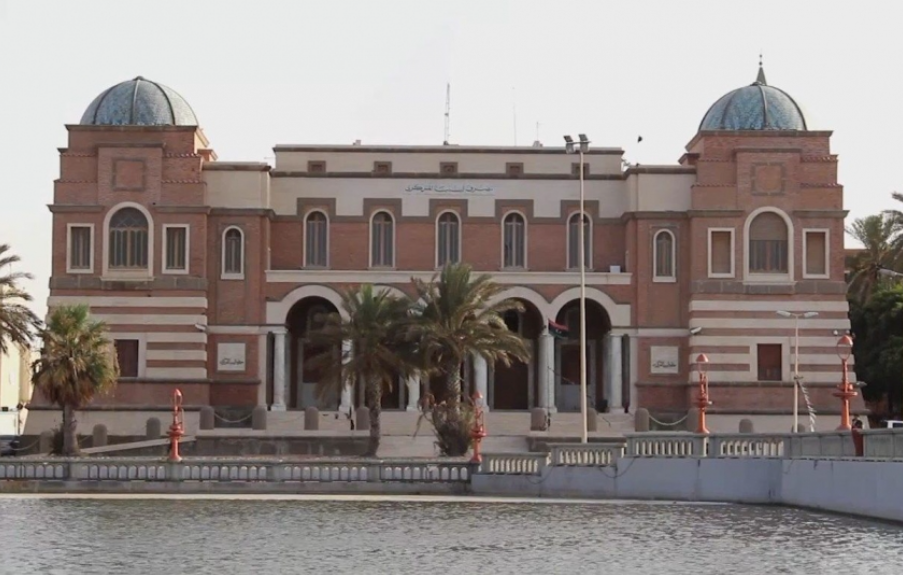
Libya’s Central Bank governor, Naji Issa, has met with High State Council (HSC) head Mohamed Takala as political institutions move to prevent a new crisis around the country’s financial system. The meeting comes days after Issa submitted his resignation, raising fresh concerns about institutional stability and the political struggle over Libya’s public finances. The HSC…
-
Zawiya Power Substation Attack Exposes Libya’s Growing Critical Infrastructure Security Risk
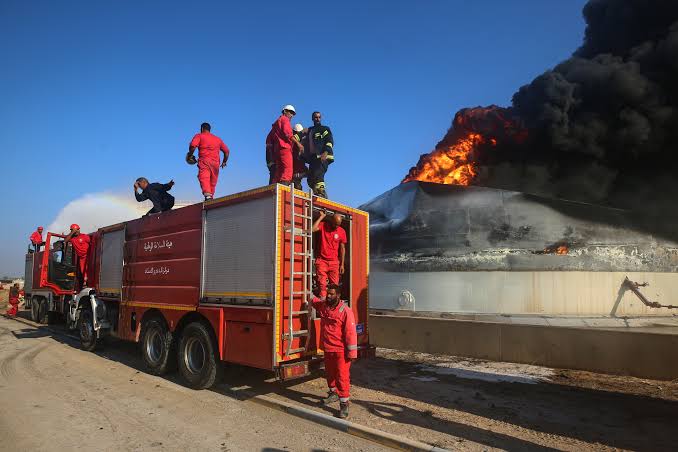
The destruction of a major electricity substation in Zawiya has pushed Libya’s deteriorating security situation into a new phase, with attacks now directly threatening the infrastructure that keeps homes, businesses and strategic facilities operating. On August 12, Libya’s General Electricity Company (GECOL) said an attack completely burned down the 30/11 kV substation in southern Zawiya…
-
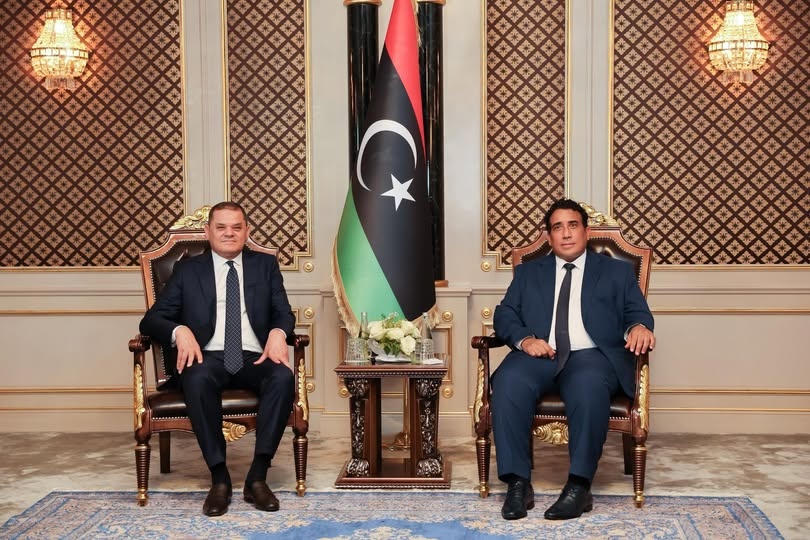
Libya’s Army Anniversary Highlights the Challenge of Building a Unified Military
Libya marked the 86th anniversary of the founding of its army on August 9 with renewed calls to unify the country’s military institution and keep it outside political and regional rivalries. Presidential Council head Mohamed al-Menfi and Prime Minister Abdul Hamid Dbeibah both used the anniversary to stress the importance of a unified national military.…
-
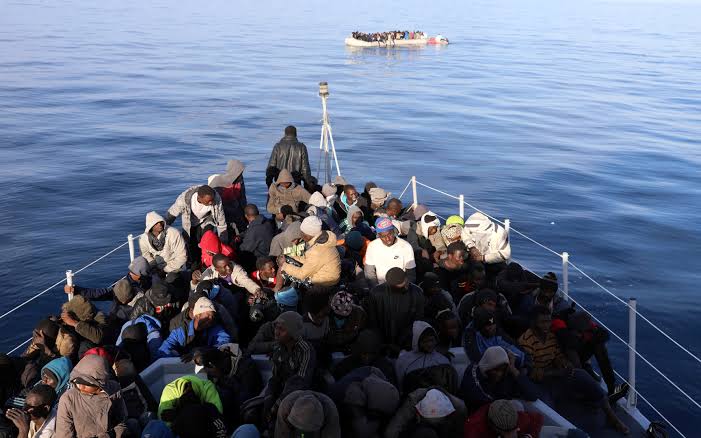
Libya Expands Migrant Return Program as Authorities Shift Strategy on Irregular Migration
Libya launches second phase of migrant return program Libya’s Ministry of Interior has launched the second phase of its national migrant return program, marking another step in the country’s effort to manage irregular migration through voluntary returns, stronger border controls and closer cooperation with international organizations. The program builds on an initiative introduced in 2025…
-
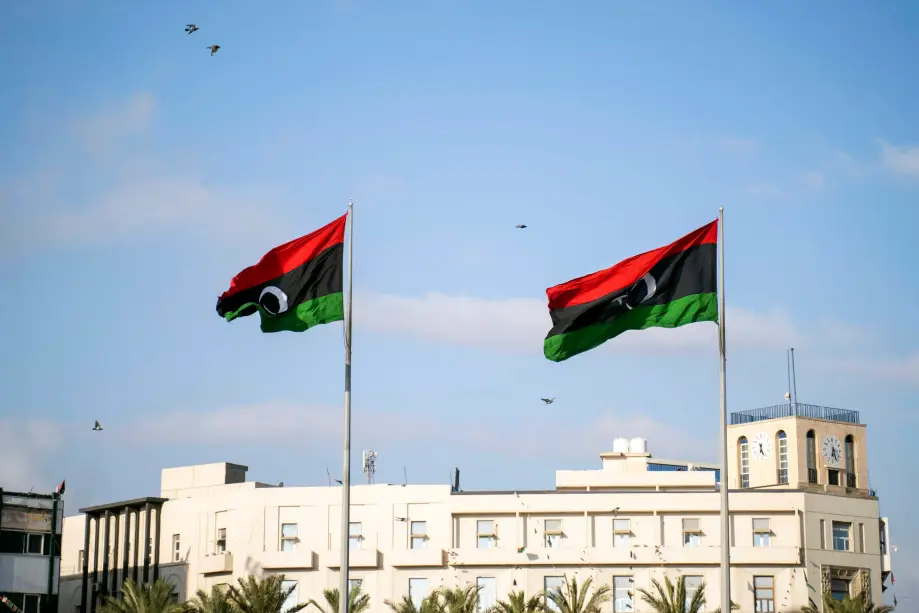
Libya’s High Council of State Begins New Phase After Leadership Elections
HCS Leadership Seeks to Reassert Political Influence Libya’s High Council of State has entered a new political phase following the election of its leadership, with the council’s presidency holding its first meeting to organize priorities and define its role in the country’s next stage of transition. The meeting, held in Tripoli, brought together newly elected…
-
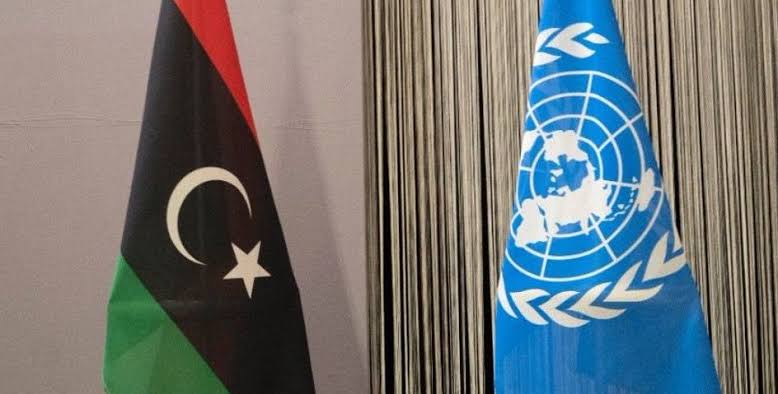
Libya’s Youth Question: Why Digital Creativity Could Shape the Country’s Future Stability
Libya’s future stability will depend not only on political agreements and security arrangements, but also on whether the country can engage a generation that represents the majority of its population. A new United Nations campaign, “Youth Voices for Libya’s Future,” highlights this challenge by inviting young Libyans to use digital creativity to express their vision…
-
UNSMIL’s 4+4 Agreement Could Break Libya’s Political Deadlock
The next stage of Libya’s political roadmap could prove more important than the agreement itself The United Nations Support Mission in Libya (UNSMIL) says members of the 4+4 mini-committee will sign their final agreement next week after concluding a fifth round of consultations. The committee also agreed to establish a working group that will finalize…
-
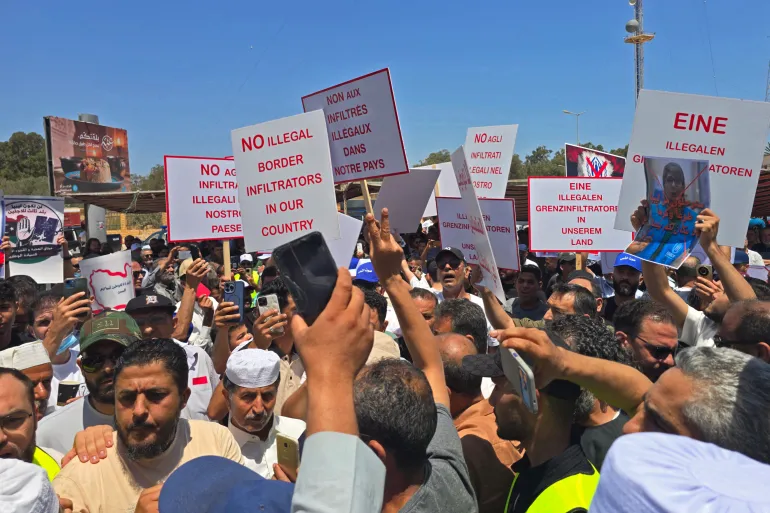
Libya’s Anti-Migrant Protests Are Becoming a National Security Issue
Migration has long occupied a central place in Libya’s relationship with Europe. Policymakers, international organizations, and foreign governments often discuss the issue through the lens of border management, humanitarian concerns, and Mediterranean crossings. Inside Libya, however, the debate has begun to change. Recent anti-migrant protests in Tripoli and other parts of the country reveal a…