
Category: Domestic Affairs
-
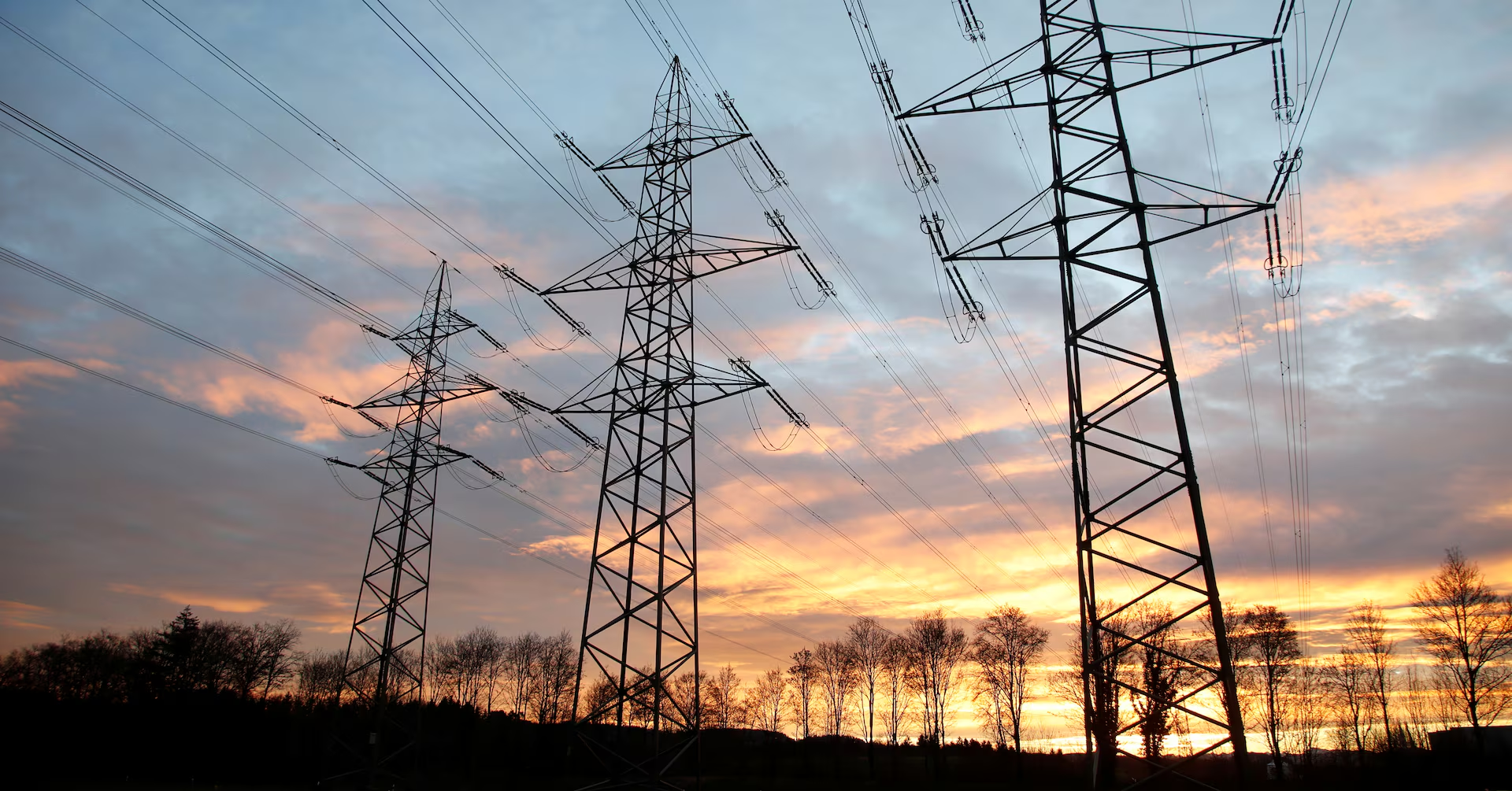
Beyond Electricity: Why Libya’s Power Grid Has Become a National Security Challenge
Libya’s government has moved quickly to prepare for another difficult summer. Prime Minister Abdulhamid Dbeibah recently ordered an urgent meeting between the National Oil Corporation (NOC) and the General Electricity Company of Libya (GECOL) to ensure adequate fuel supplies for power generation during the peak demand season. The move reflects a growing concern inside government…
-
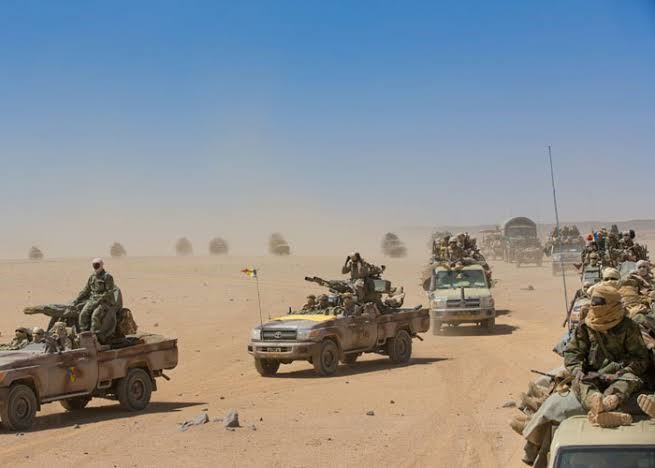
Can Libya Ever Build a Unified Military?
Libya still operates without a unified national military. More than a decade after the collapse of the Gaddafi-era armed forces, the country remains split between competing military structures, regional commands, and armed groups that operate with varying degrees of state affiliation. The concept of a single Libyan army continues to appear in political agreements and…
-
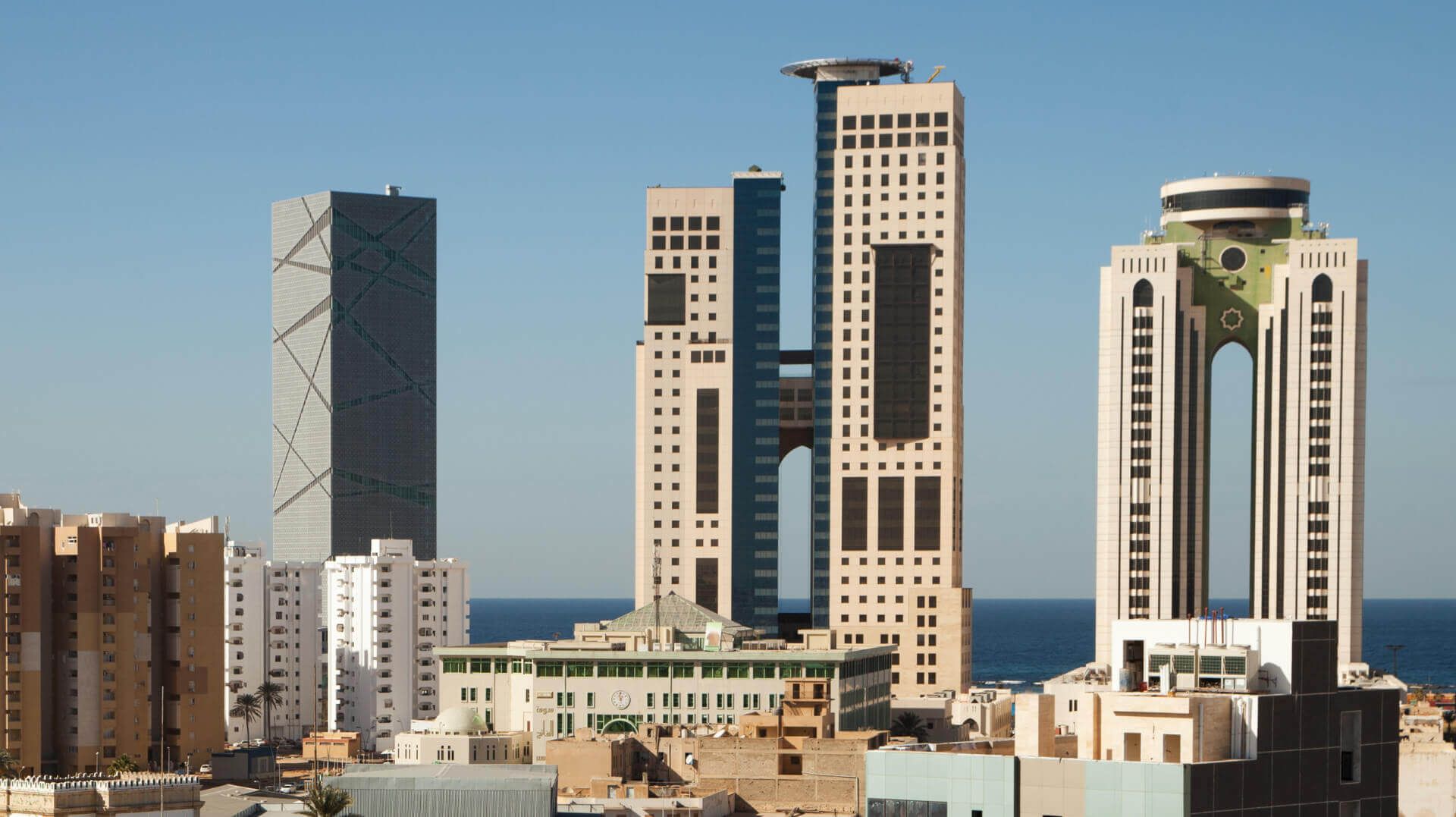
The Growing Pains of Home: Navigating Urban Pressure and the Human Heart of Libya’s Major Cities
If you stand on a balcony in a high-rise in Tripoli at dusk, or walk along the Corniche in Benghazi, you can feel a pulse that didn’t exist twenty years ago. It is a vibrant, restless energy—the sound of a nation in motion. Libya’s urban centers are no longer just administrative hubs; they have become…
-
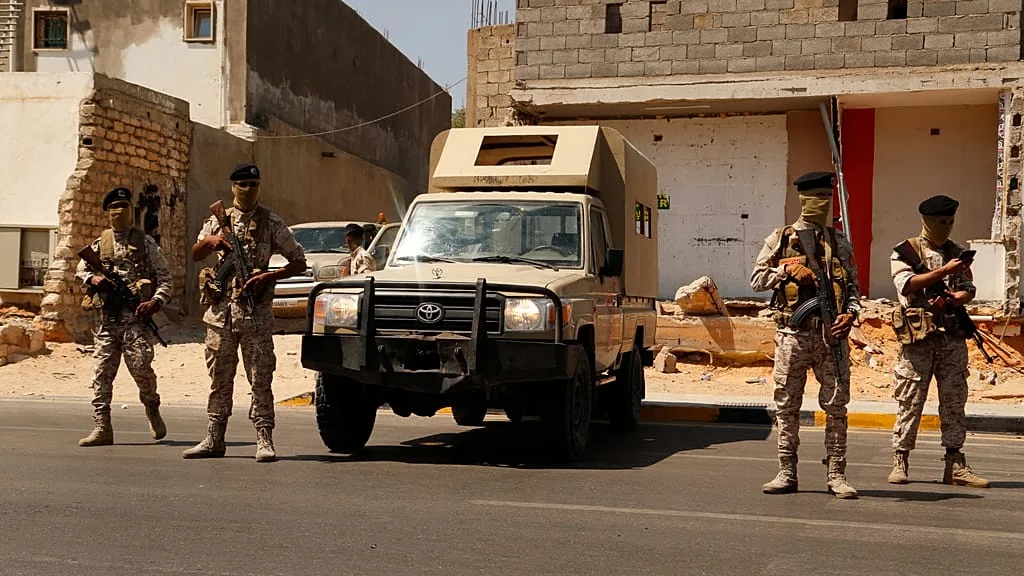
Large-Scale Security Operation in Zawiya Highlights Libya’s Ongoing Battle Against Armed Crime Networks
Libyan security forces launched a large-scale operation in the coastal city of Zawiya targeting wanted criminals and organized networks. The operation began at dawn and spread across multiple neighborhoods, with units conducting raids, arrests, and security sweeps in areas linked to armed groups and illicit activity. Authorities describe the operation as part of an ongoing…
-
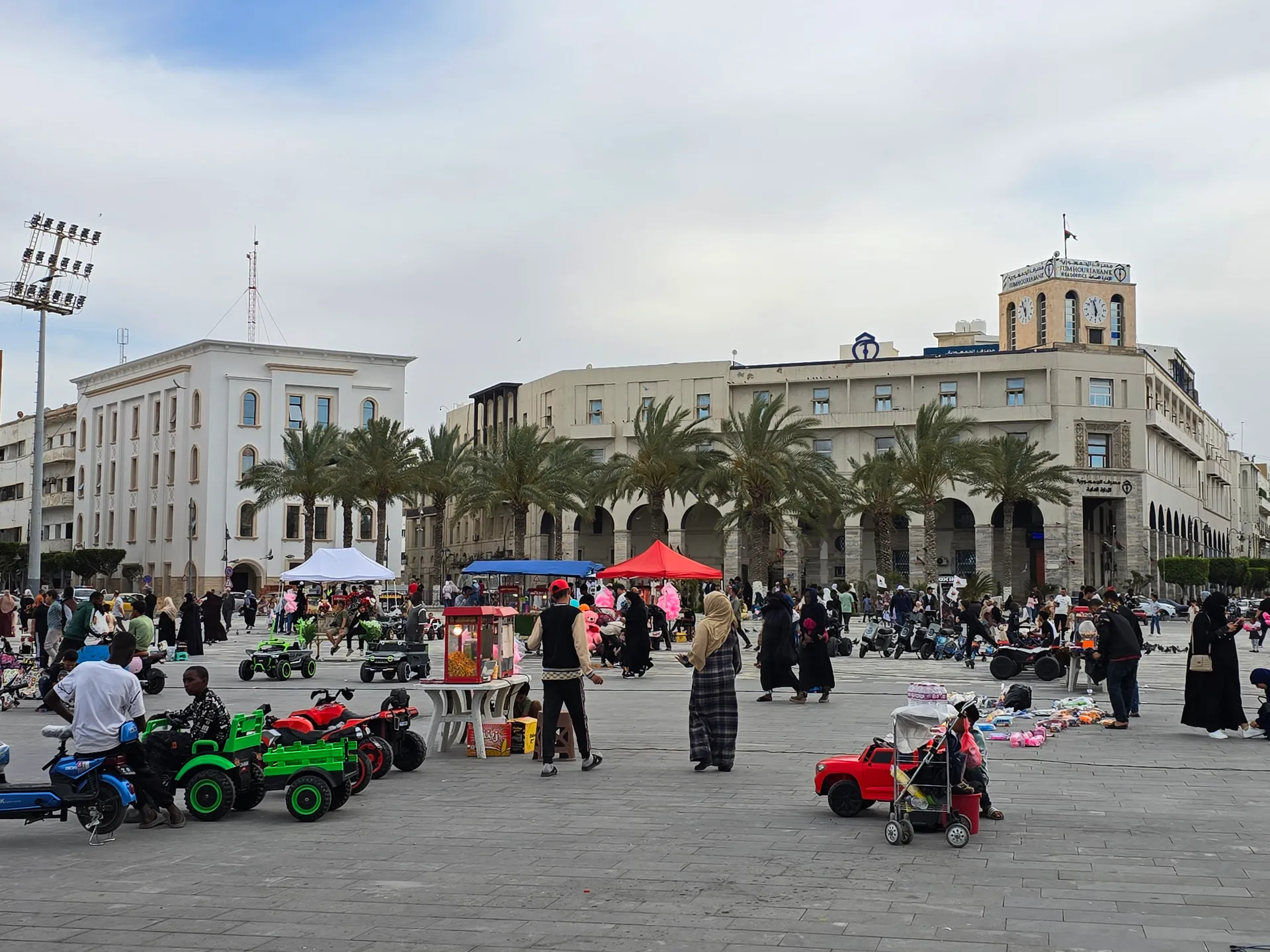
Tripoli Security Explained: Why Stability in Libya’s Capital Remains Fragile
Tripoli entered 2026 with relative calm, but the security picture remains tense beneath the surface. Residents still remember past clashes, sudden deployments, and political disputes that quickly spilled into the streets. Recent reports of force movements, leadership reshuffles, and renewed rivalry between armed factions have again raised questions about the capital’s stability. Tripoli remains the…
-
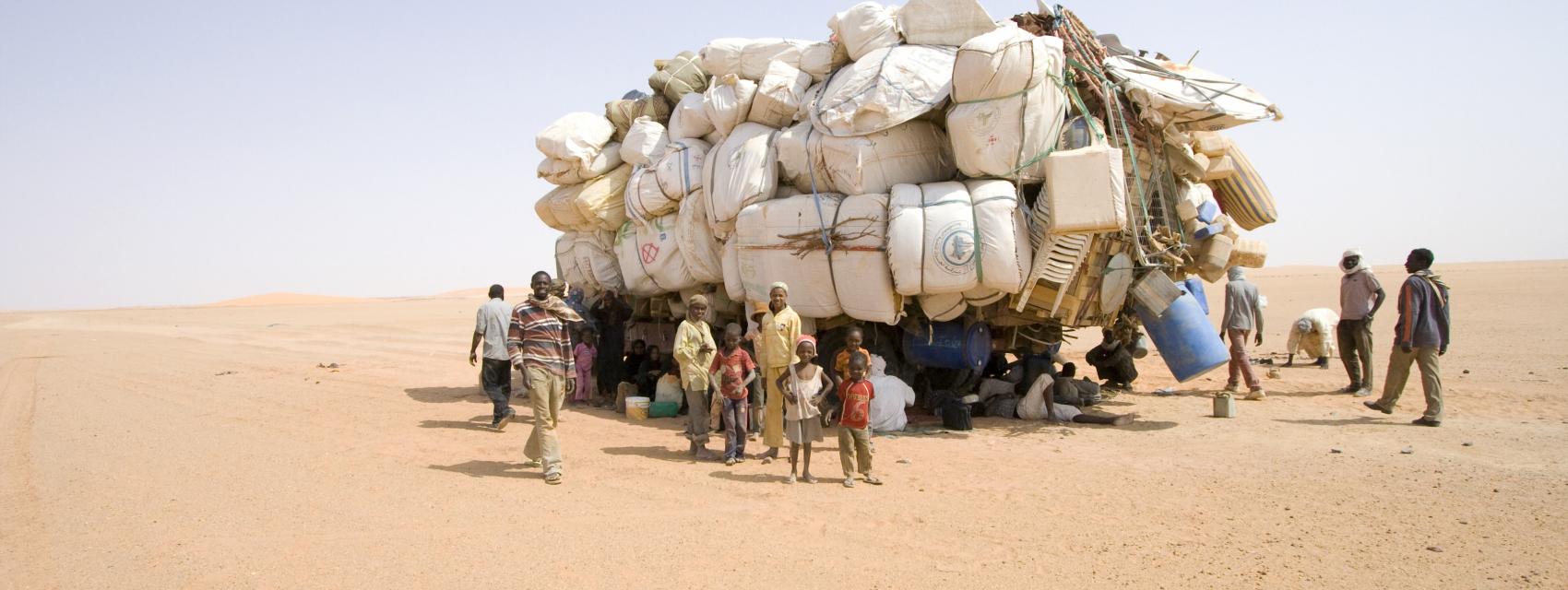
Why Libya’s Young Professionals Are Leaving: Brain Drain Explained
When we discuss Libya’s future, the conversation usually circles back to the same familiar pillars: political transitions, security arrangements, and the fluctuating price of oil. These are the “loud” issues, the ones that make the evening news and fill the briefing papers of international envoys. But beneath the surface of these high-level priorities lies a…
-
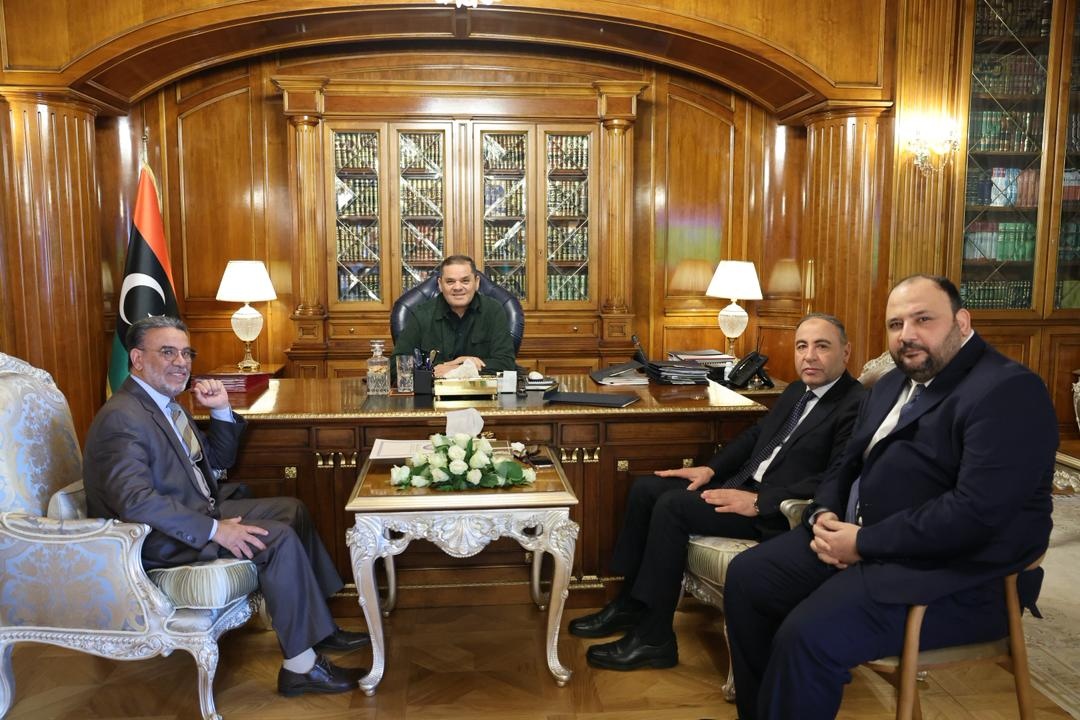
Anti-Corruption and State Authority in Libya: What the Dbeibah–Qaderbouh Meeting Signals
A recent meeting between Prime Minister Abdulhamid Dbeibah and Abdullah Qaderbouh, head of the Administrative Control Authority, has placed anti-corruption efforts back at the center of Libya’s governance agenda. The discussion focused on implementing the national strategy for performance oversight and corruption prevention for the period 2025–2030, alongside efforts to strengthen monitoring tools and improve…
-
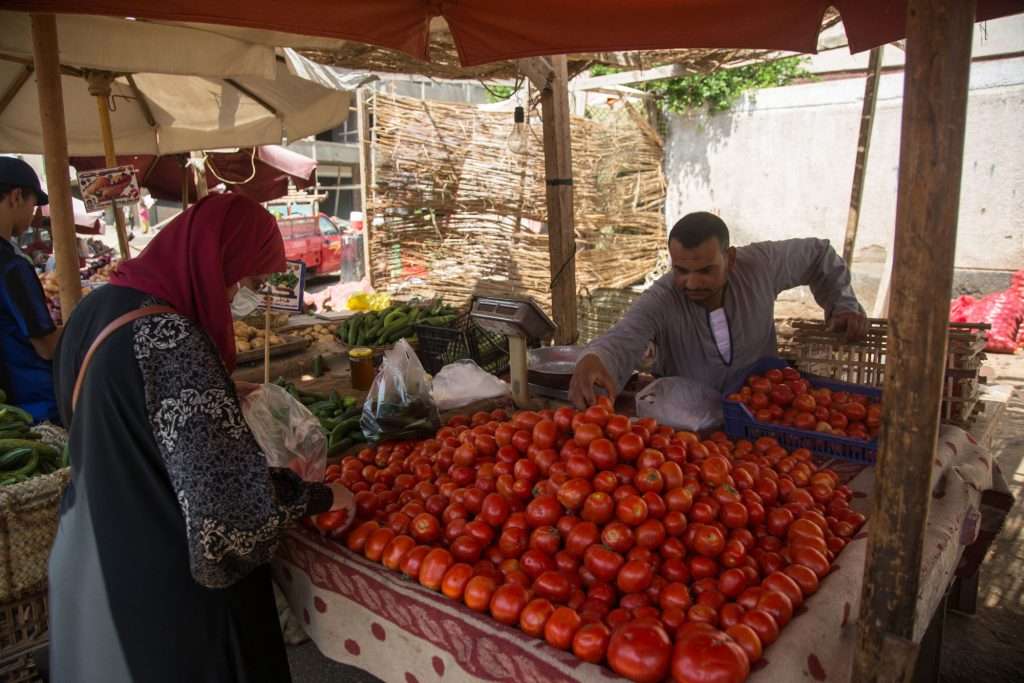
Rising Prices, Limited Opportunities: Youth Disillusionment as an Emerging Stability Risk in Libya
Libya’s economic difficulties are often discussed in terms of inflation, currency depreciation, and pressure on public finances. Yet one of the most important dimensions of this crisis receives less attention: its effect on Libya’s youth. Rising living costs and limited job opportunities are not only affecting the immediate welfare of young Libyans. They are also…
-
ISIS in Libya: Smuggling Networks and the Evolution of a Low-Profile Threat
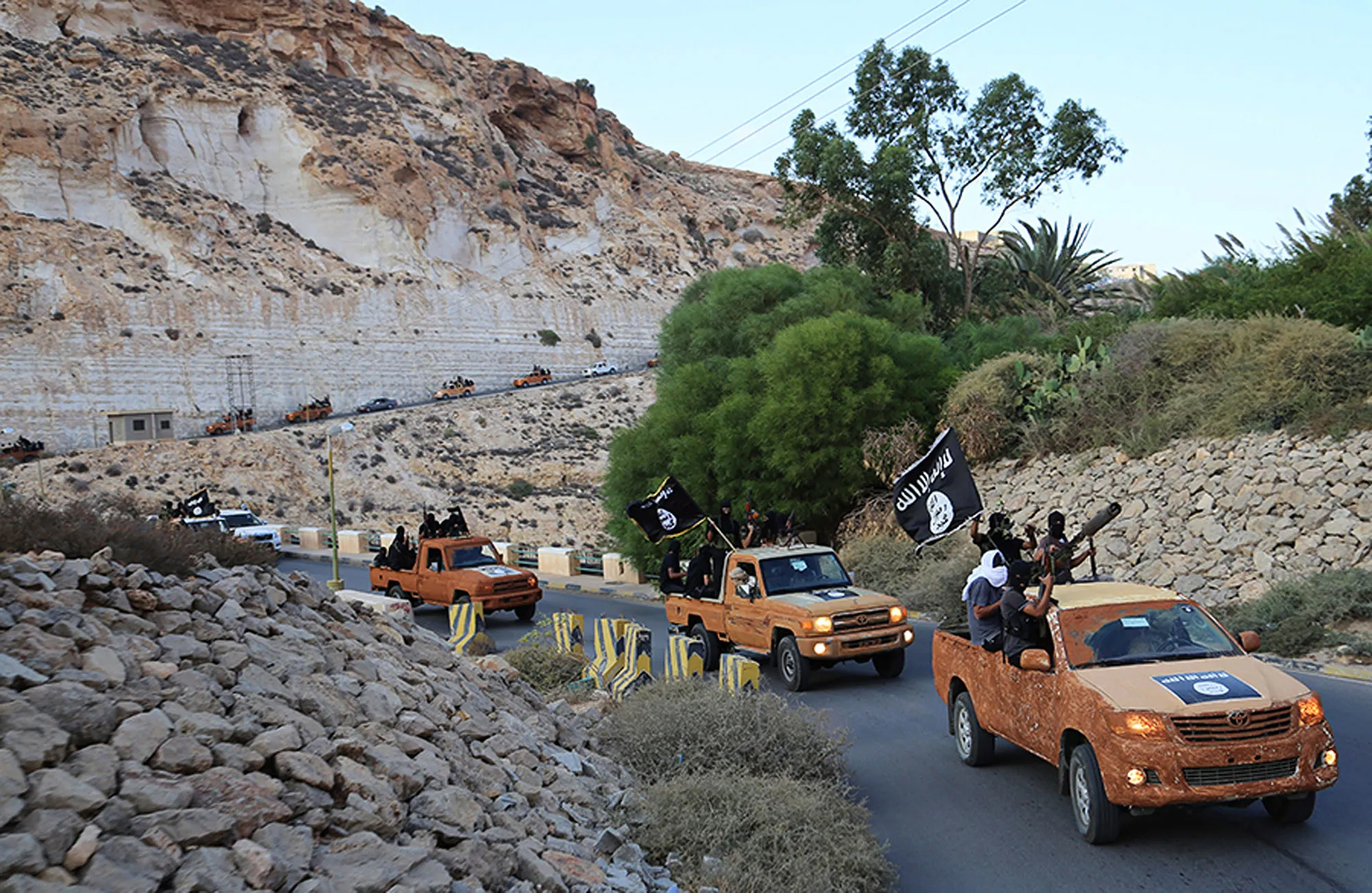
Recent reporting has raised renewed concerns about the Islamic State’s presence in Libya, not through visible territorial control, but through quieter forms of activity embedded in trafficking and smuggling systems. Analysis published in March 2026 suggests that ISIS has adapted its approach, relying less on overt military expansion and more on integration into existing illicit…
-
The Libyan National Army and Western Engagement: A Shift in Libya’s Security Balance?
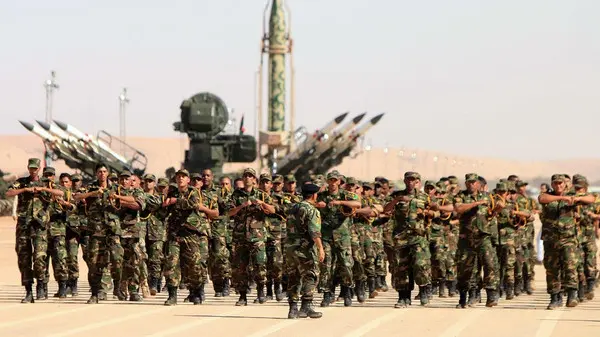
In early 2026, a quieter but significant shift has begun to take shape in Libya’s security and political landscape. The Libyan National Army (LNA), once treated as diplomatically isolated by Western capitals, now appears to be entering a phase of gradual reengagement. Recent analysis suggests that the LNA has undergone a broader geopolitical repositioning, moving…