Tripoli entered 2026 with relative calm, but the security picture remains tense beneath the surface. Residents still remember past clashes, sudden deployments, and political disputes that quickly spilled into the streets. Recent reports of force movements, leadership reshuffles, and renewed rivalry between armed factions have again raised questions about the capital’s stability.
Tripoli remains the political and administrative center of Libya. It hosts key ministries, financial institutions, diplomatic missions, and critical infrastructure. When security holds in the capital, the wider country often benefits. When tensions rise in Tripoli, national uncertainty usually follows.
That is why Tripoli security matters far beyond the city itself.
Why Tripoli Security Is So Important
Tripoli holds outsized importance in Libya’s national system. The city houses government institutions, the central banking structure, transport hubs, and major commercial activity. Decisions made in Tripoli can affect salaries, imports, public spending, and political negotiations across the country.
Because of that importance, many actors seek influence in the capital. Political factions want leverage. Armed groups want access, recognition, or resources. External stakeholders watch developments closely because instability in Tripoli can disrupt diplomacy, migration management, and economic planning.
Security in Tripoli therefore carries both local and national consequences.
Why Stability Often Looks Stronger Than It Is
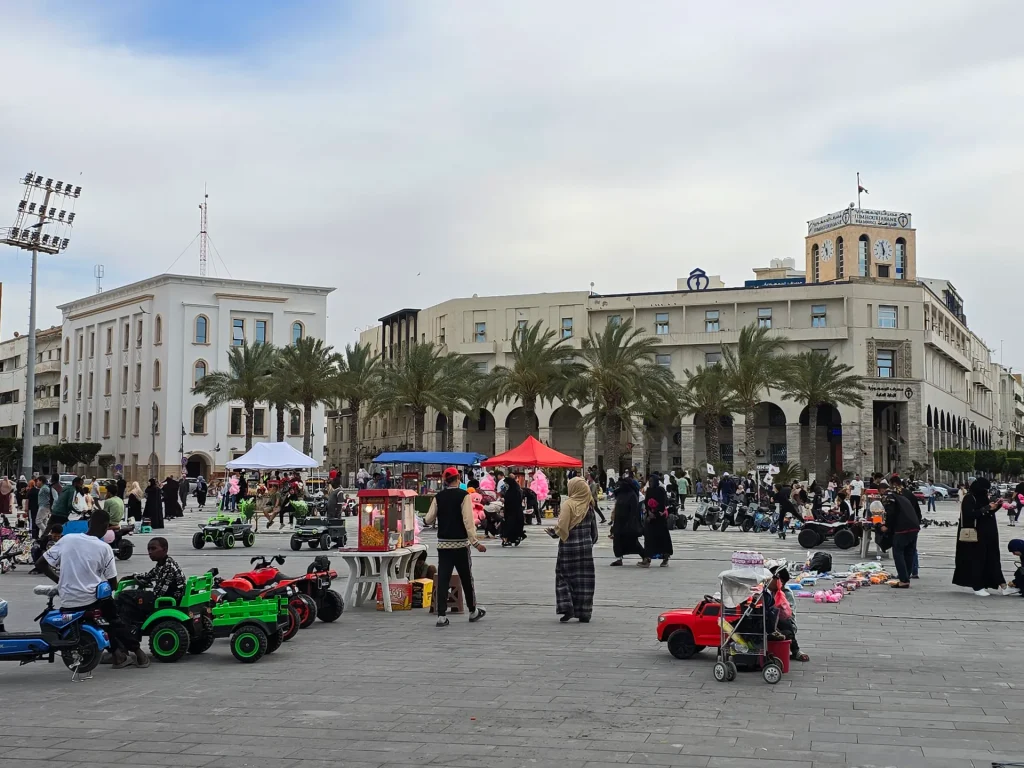
Tripoli can appear stable for long periods. Shops stay open, traffic moves, and institutions continue to function. Yet calm in the capital often depends on a balance between competing armed groups rather than a fully unified state security system.
Several factions hold influence in different districts, facilities, or state-linked structures. These groups may coordinate at times, compete at others, and avoid confrontation when interests align. That creates a form of managed deterrence rather than durable institutional stability.
When that balance holds, the city can remain calm. When it shifts, tensions can rise quickly.
The Main Drivers of Security Risk
Tripoli’s fragile environment usually stems from a few recurring factors.
Rival Armed Networks
No single actor fully dominates the city. Multiple groups retain manpower, equipment, and political connections. If one faction feels excluded or threatened, confrontation risks increase.
Political Disputes
National disagreements over government legitimacy, appointments, budgets, or revenue can trigger pressure inside the capital. Political competition often overlaps with security competition.
Economic Interests
Control over strategic sites, state contracts, logistics routes, and institutional access can create incentives for rivalry. Security dynamics in Tripoli often involve economics as much as ideology.
Weak Institutional Integration
Libya still lacks fully unified military and police structures under one clear national chain of command. That leaves space for parallel power centers.
Why Clashes Can Escalate Quickly
Tripoli’s dense urban layout increases the danger of sudden violence. Armed groups operate near civilian neighborhoods, roads, and public facilities. Even a limited dispute can disrupt transport, schools, hospitals, and daily business.
Short confrontations can also trigger wider reactions. Alliances shift fast in Libya’s capital. A local incident may pull in other factions if they view the outcome as a threat to their interests.
This pattern explains why observers monitor even small security developments in Tripoli.
What Keeps the City Stable
Despite recurring risks, several factors also help prevent major escalation.
First, many actors understand the cost of prolonged fighting. Urban clashes damage legitimacy, disrupt commerce, and attract domestic and international pressure.
Second, mediation channels often exist between rivals. Community figures, political leaders, and institutional contacts sometimes intervene before disputes spiral.
Third, economic necessity encourages restraint. Tripoli remains the country’s financial center. Many groups benefit more from controlled influence than open conflict.
These factors do not solve core problems, but they can delay or contain crises.
How Tripoli Security Affects Libya’s Economy
Security in the capital has direct economic consequences. Investors watch Tripoli closely because it reflects wider governance risk. Businesses delay decisions when tensions rise. Public administration slows when ministries face pressure or uncertainty.
Banking operations, customs processes, and state payments also depend on a functioning capital. If Tripoli faces serious disruption, confidence can weaken across Libya.
That is why economic recovery and capital security often move together.
What Could Improve the Situation
Tripoli does not need perfect stability overnight. It needs stronger institutions that gradually replace informal power balances.
Key steps include professional policing, clearer chains of command, merit-based appointments, and better coordination between security bodies. Judicial credibility also matters. When legal institutions function, actors have more peaceful ways to settle disputes.
Political progress remains essential. If national leaders agree on governance rules, security tensions in the capital usually ease. If institutions remain divided, armed competition often returns.
What to Watch in 2026
Several signals will shape the outlook this year:
- Changes in senior security appointments
- Large force movements inside or near Tripoli
- Budget disputes or institutional standoffs
- Mediation efforts between rival factions
- Public protests linked to services or salaries
- New political roadmaps or election negotiations
Each factor can affect the city’s security balance.
Analytical Outlook
Tripoli security remains fragile because calm often depends on negotiated power balances rather than strong state institutions. The capital can function normally for long periods, yet tensions can resurface with little warning.
For Libya, stable security in Tripoli means more than quiet streets. It supports governance, economic confidence, and national political progress. Lasting stability will require stronger institutions, clearer authority, and fewer incentives for armed competition outside the state.