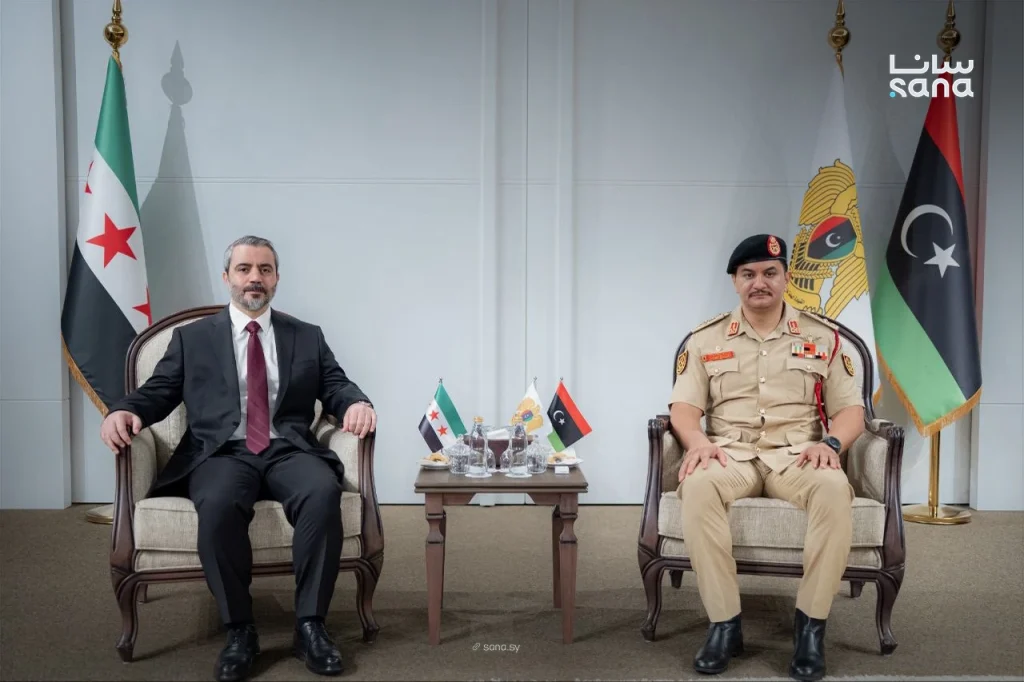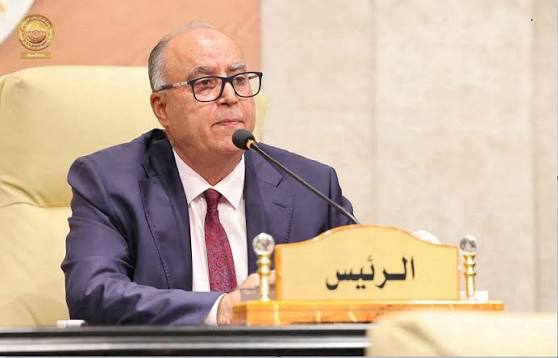
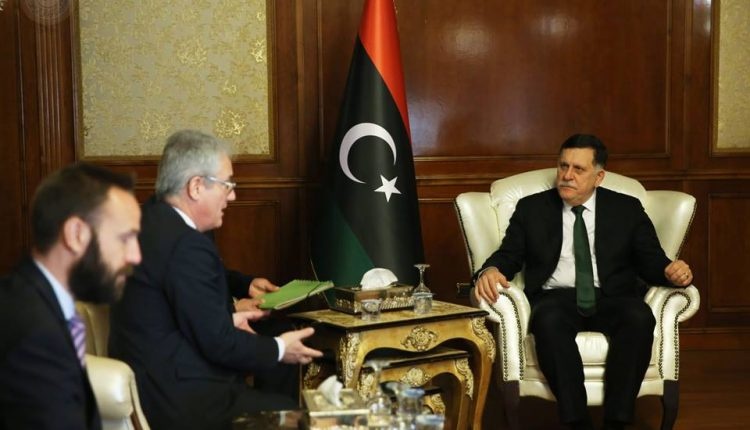
Libya and Austria have marked 300 years of diplomatic relations, highlighting one of the oldest formal ties between Libya and a European state. The anniversary offers more than a symbolic moment. It also draws attention to a relationship shaped by trade, diplomacy, regional change, and mutual interests across three centuries.
While Libya’s foreign relations often focus on larger powers such as Italy, France, Turkey, Russia, or the United States, Austria has maintained a quieter but steady role. Vienna has long valued diplomacy, neutrality, and economic engagement. Libya, positioned at the center of North Africa and the Mediterranean, has remained strategically important for European partners seeking stability, trade access, and energy cooperation.
As Libya looks to expand international partnerships in 2026, the Austria relationship may gain fresh relevance.
Three Centuries of Contact and Diplomacy
Relations between Libya and Austria trace back to the early eighteenth century, when European states increased political and commercial engagement across the Mediterranean. During that period, Libya’s coastal cities, especially Tripoli, played an important role in regional commerce linking Europe, North Africa, and the Ottoman world.
Austria, then under the Habsburg monarchy, sought stronger access to Mediterranean trade routes. Maritime commerce, diplomatic agreements, and consular representation became key tools for expanding ties. Like many European states of the time, Austria viewed North Africa as both a commercial frontier and a strategic region.
Tripoli attracted merchants, diplomats, and naval interest because of its location. Goods moved through the port toward European markets, while political developments in the Mediterranean shaped wider relations between states. Austria’s early engagement with Tripoli helped lay the foundation for a formal bilateral relationship that survived dramatic shifts in world politics.
Over the next centuries, Libya experienced Ottoman rule, Italian colonization, independence, monarchy, revolutionary rule, civil conflict, and political fragmentation. Austria also passed through empire, war, and republic. Despite those transformations, diplomatic links continued in various forms.
That continuity matters. Few bilateral relationships can point to three centuries of contact while surviving such profound historical change.
Modern Relations in a Changing Libya
Modern Libya-Austria relations have centered on diplomacy, development, and economic dialogue. Austria does not hold the same political profile in Libya as some larger European states, but it often benefits from a reputation for pragmatism and neutrality.
Vienna hosts major international institutions and has long served as a center for negotiation and multilateral diplomacy. That gives Austria added relevance for countries navigating political transitions or seeking broader international engagement.
For Libya, maintaining relations with a wide range of European partners helps reduce overreliance on any single country. It also creates space for more balanced diplomacy. Austria can fit into that strategy as a constructive partner with fewer historical burdens in Libya than some other states.
Recent years have seen renewed Libyan efforts to rebuild foreign ties, attract investment, and strengthen economic cooperation. Diplomatic anniversaries often create opportunities for business forums, cultural exchanges, official visits, and new agreements. The 300-year milestone could serve that purpose.
Austria may also view Libya through a practical lens. A more stable Libya would support Mediterranean security, help manage migration pressures, and open commercial opportunities in infrastructure, healthcare, logistics, and energy services.
Trade, Energy and Economic Potential
Economic relations between Libya and Austria remain modest compared with Libya’s larger trade partners, but the potential exists for growth. Libya needs reconstruction, modern infrastructure, stronger healthcare systems, advanced industrial services, and technical expertise. Austrian firms have experience in engineering, transport systems, environmental technology, and manufacturing.
Those sectors align with Libya’s current needs.
Energy also remains central. Libya holds Africa’s largest proven oil reserves and significant gas resources. European countries continue to seek diversified energy supplies and stronger links with nearby producers. Austria may not compete with major energy powers in Libya, but Austrian companies and institutions could still participate in technical partnerships, financing structures, or service contracts.
Beyond hydrocarbons, Libya aims to improve ports, roads, airports, and urban utilities. European mid-sized economies such as Austria can sometimes move faster in specialized sectors than larger powers focused mainly on geopolitics.
Tourism and education also offer room for cooperation. Austria’s universities, vocational training systems, and technical institutes could attract Libyan students and professionals. Human capital links often create long-term diplomatic value that outlasts political cycles.
If Libya achieves greater institutional stability, commercial ties with Austria could deepen steadily over the coming decade.
Why the Relationship Matters in 2026
The anniversary comes at a time when Libya seeks economic recovery and broader diplomatic engagement. Political divisions still weigh on the country, but international actors increasingly recognize Libya’s importance in energy markets, migration routes, and Mediterranean security.
Austria’s role may remain understated, yet that can also be an advantage. Countries seen as pragmatic and less confrontational often find openings where larger powers face resistance.
For Libya, the message is clear: strong foreign policy should not depend only on headline powers. Durable partnerships often grow through consistent engagement, technical cooperation, and mutual respect. Austria offers one example of that model.
For Austria, Libya represents more than a historical connection. It is a nearby North African state with major energy reserves, significant reconstruction needs, and strategic access to the Mediterranean and wider African markets.
The 300-year milestone therefore reflects both history and opportunity.
If Libyan institutions can improve governance and provide a clearer investment climate, European partners such as Austria may expand their presence. If Austria continues to support diplomacy and practical cooperation, it can strengthen a relationship that has already endured for generations.