Libya’s approval of its maritime agreement with Türkiye has reopened a dispute over Mediterranean borders, energy resources and regional influence. But the decision also reveals a deeper change in Libya’s security landscape: former rivals are finding common ground with Ankara, even as the country remains divided over political authority and control of its armed forces.
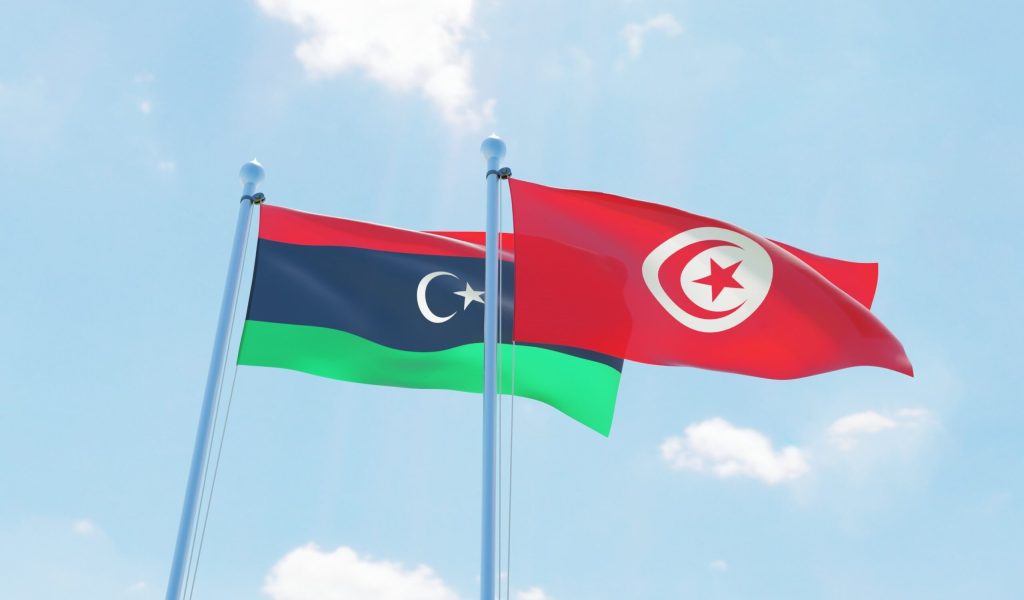
On October 20, Libya’s eastern-based House of Representatives unanimously approved the 2019 maritime memorandum and repealed its previous decisions rejecting the agreement and severing political relations with Türkiye. The move brought a major shift in eastern Libya’s position and added a new dimension to Ankara’s relations with both sides of the country’s political divide, according to the Libyan News Agency.
The agreement is often discussed as a dispute over maritime borders and natural gas. For Libya, however, its significance extends beyond the sea. It raises questions about foreign military influence, the country’s ability to manage its own strategic interests and the risks of turning economic agreements into sources of regional tension.
Why the Maritime Agreement Matters
Signed in November 2019, the agreement defines maritime jurisdiction areas between Libya and Türkiye in the eastern Mediterranean, including their claimed exclusive economic zones and continental shelves. These zones matter because coastal states can exercise specific rights over resources such as offshore oil and gas.
The eastern Mediterranean has become increasingly important as governments pursue offshore energy projects, subsea electricity connections and new maritime infrastructure. Control over maritime access can affect where companies explore, which projects move forward and how states negotiate with their neighbours.
Türkiye argues that the agreement protects its maritime interests and reflects an equitable approach to delimitation. Egypt, Greece and the European Union oppose it, arguing that it infringes on the rights of other states. Greece has also challenged the agreement’s treatment of its islands, while Cairo says the arrangement has no legal effect on Egyptian maritime rights.
These competing positions cannot be resolved simply by a parliamentary vote. The legal status of maritime claims depends on the applicable rules of international law, the rights of other coastal states and the resolution of overlapping claims. The agreement’s approval by Libya’s eastern parliament therefore changes the political context, but it does not settle the wider regional dispute.
For Libya, the potential economic benefits are also uncertain. A maritime boundary agreement may provide a basis for future cooperation, but it does not guarantee commercially viable gas discoveries, attract investment on its own or remove the technical and political risks facing offshore projects.
From Former Rivals to Strategic Partners
The more significant development may be Türkiye’s changing relationship with eastern Libya.
In 2019 and 2020, Ankara backed the Tripoli-based Government of National Accord against the offensive led by Khalifa Haftar’s forces. Türkiye’s military support helped prevent the capture of the capital and established Ankara as a major security actor in western Libya.
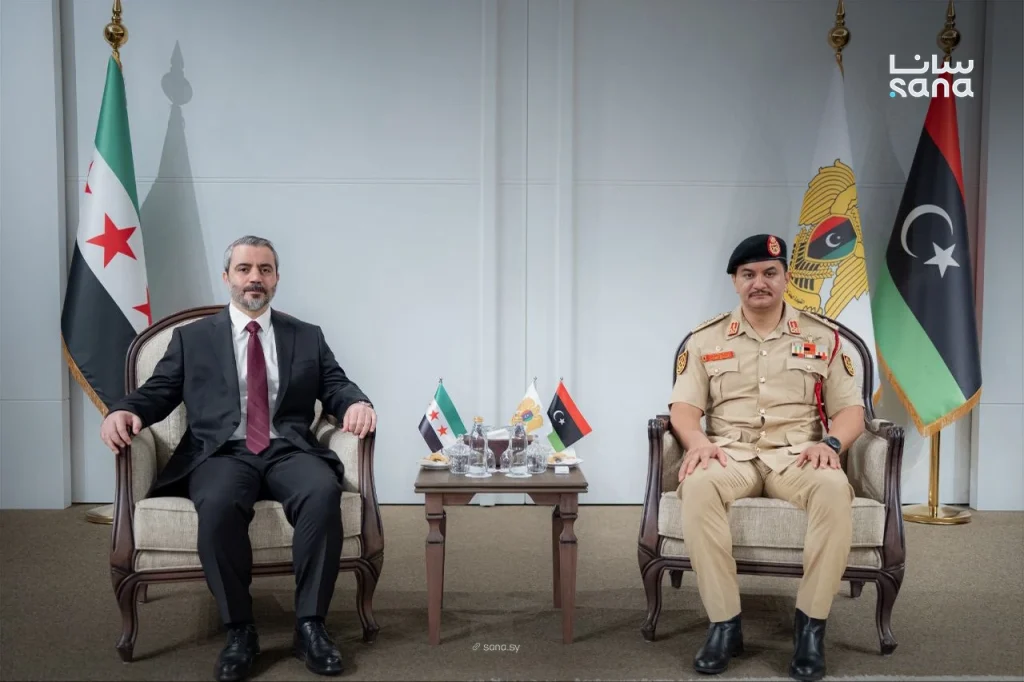
Since then, relations have evolved. Türkiye has expanded its diplomatic engagement with eastern political and military figures, creating opportunities to work with actors it previously opposed on the battlefield. The eastern parliament’s approval of the maritime agreement is a clear sign of that shift.
This does not mean that Libya’s political and security divisions have disappeared. Agreement on maritime policy is not the same as agreement on the future government, the distribution of state resources or the command of the armed forces. Cooperation between rival camps can advance on specific issues while the wider struggle over state authority remains unresolved.
The distinction matters because external partnerships can strengthen individual political and military actors without necessarily strengthening national institutions. If cooperation with Türkiye helps eastern and western authorities coordinate on economic interests, it could create space for further engagement. If it remains tied to separate political and security arrangements, it could instead deepen competing relationships with foreign powers.
For more background on the political dimension, see Libya Security Brief’s analysis of the Libya–Türkiye maritime agreement.
What It Means for Libya’s Security
The immediate risk is not necessarily a military confrontation. It is the possibility that competing maritime claims will create new points of friction involving Libya and its neighbours.
Offshore exploration, survey vessels and infrastructure projects could become sensitive if operators enter waters claimed by more than one state. Diplomatic protests could escalate, while naval deployments or competing security arrangements could make routine commercial activity more difficult. The dispute also creates another issue for Libya to manage in its relations with Egypt, an important regional neighbour with longstanding security interests in the country.
Türkiye’s growing relationships across Libya’s political divide also have implications for the wider balance of influence. Ankara can engage with western and eastern actors, but that position may give it leverage in negotiations over Libya’s political future. Other regional powers may respond by reinforcing their own diplomatic, economic or security ties.
Libya’s challenge is to ensure that these relationships serve national interests rather than become another arena for external competition. That requires transparent decision-making, clear institutional authority and a consistent approach to maritime rights, offshore investment and security cooperation.
The maritime agreement could provide a starting point for economic cooperation. But its long-term value will depend on whether Libya can turn a diplomatic opening into a durable national policy.
The key question is not simply who gains from the agreement at sea. It is whether Libya can use it to strengthen its own institutions, protect its maritime interests and manage its relationships with regional powers without creating new security risks.