Libya Eyes the Sun to Power Its Future
Libya is taking its first serious steps toward a renewable energy future. After years of relying almost entirely on oil and gas, policymakers, investors, and international partners are turning renewed attention to solar power as a pathway to economic diversification. This shift has accelerated in late 2025, driven by rising domestic energy demand, aging infrastructure, and Europe’s push for clean-energy partnerships across the Mediterranean. For Libya, renewable energy is no longer a talking point—it is becoming a strategic priority with real economic and political implications.
Solar Potential Makes Libya One of the Region’s Most Promising Libya Renewable Energy Frontiers
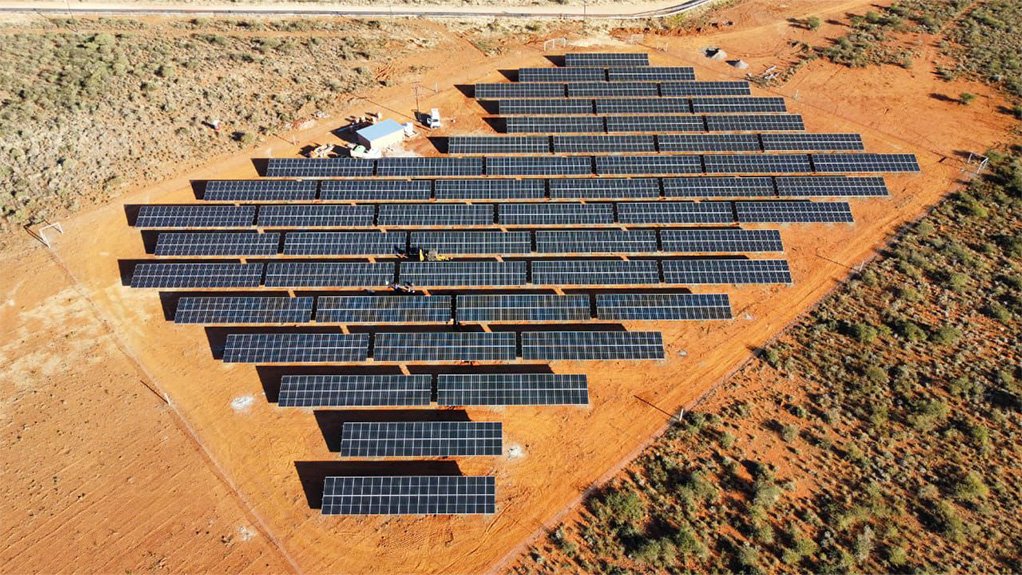
Libya has some of the highest solar irradiance levels in the world, particularly across the south and central regions. This natural advantage has been known for years, but political instability, fragmented planning, and weak grid infrastructure delayed progress. That is beginning to change.
In 2025, feasibility studies by the Renewable Energy Authority of Libya (REAOL) identified more than a dozen viable sites for utility-scale solar installations, including locations near Sebha, Jufra, and Brak al-Shati. These areas receive stable sunlight year-round, making them ideal for large photovoltaic fields. Recent pilot projects in Misrata and Zliten demonstrated that even modest installations can significantly reduce local dependence on diesel generators during peak hours.
International actors have also taken notice. The EU’s Global Gateway initiative has expanded support for North African renewable corridors, and Libya is now part of several initial consultations. European investors see long-term potential in connecting Libyan solar power to Mediterranean grids through future subsea cables. While such projects remain years away, early coordination signals that Libya’s renewable ambitions are aligning with broader regional trends.
Libya’s solar potential is not limited to exports. Domestic consumers face frequent blackouts and rely heavily on expensive backup systems. By integrating solar power into the national grid, Libya can reduce fuel consumption, stabilize electricity supply, and ease pressure on aging power plants. This combination of domestic and international value gives Libya renewable energy a unique role in the country’s economic future.
Libya Renewable Energy Attracts Growing Investment
Foreign and domestic investment in Libya’s renewable sector expanded noticeably in 2025. Several regional energy firms—including developers from the UAE, Turkey, and Italy—expressed interest in partnering with Libyan institutions on utility-scale solar projects. These announcements follow the successful completion of smaller installations that showcased local capacity for construction, maintenance, and grid integration.
In November 2025, REAOL signed preliminary cooperation agreements with two European engineering companies to design grid-ready solar farms in central Libya. These agreements emphasize local training, technology transfer, and standardized operational protocols. They also include structured risk-mitigation clauses, which international investors increasingly require when working in politically divided environments.
Private-sector interest is growing as well. Libyan businesses see renewable energy as a way to reduce operational costs and safeguard productivity during power shortages. Manufacturing zones around Misrata and Benghazi have begun exploring rooftop solar systems to stabilize electricity consumption. These initiatives demonstrate that renewable energy is becoming a tool not only for national strategy but also for local economic resilience.
The most significant change, however, is institutional. For the first time, Libya’s energy authorities are aligning around a shared renewable vision. While the country still operates under dual administrative structures, both governments have expressed support for national renewable targets. This alignment has helped reduce investor uncertainty and created space for coherent long-term planning.
A Renewable Workforce Emerges as Training Programs Expand
Developing a skilled workforce is essential to sustaining Libya’s renewable energy transition. During 2025, several vocational institutes in Tripoli, Misrata, and Benghazi upgraded their training programs to include solar installation, electrical systems maintenance, and grid-integration techniques. These programs benefit from support by European partners, who are offering technical workshops and certification modules through bilateral cooperation frameworks.
Youth participation has been a standout feature of this shift. Many young Libyans see renewable energy as a dynamic and future-oriented sector with career mobility and international connections. As training programs expand, Libya is cultivating technicians and engineers who can support both domestic projects and foreign-backed investments.
Women are also entering the sector in growing numbers. Renewable energy training programs have seen increased female enrollment, particularly in technical design, project coordination, and data monitoring roles. This trend supports Libya’s broader objective of strengthening inclusive economic growth and diversifying the national skill base.
These developments matter because renewable energy requires consistent technical expertise. Solar farms need ongoing maintenance, system upgrades, and monitoring. A capable workforce reduces reliance on foreign contractors and helps ensure that projects are sustainable over time. By prioritizing workforce development, Libya is laying the foundation for a sector that can grow independently.
Energy Diversification Supports Stability and Reduces Economic Risk
Libya’s economy remains heavily dependent on oil, which accounts for more than 90 percent of government revenue. This dependence exposes the country to price volatility, market shifts, and production disruptions. Renewable energy offers a pathway to mitigate these vulnerabilities.
Solar power can reduce the domestic demand for natural gas and diesel, allowing more hydrocarbons to be exported at market rates. This shift increases revenue potential while lowering pressure on domestic power plants. Over time, renewable energy can help Libya stabilize its energy balance and create opportunities for private-sector development.
Diversification also strengthens institutional resilience. Renewable projects require coordinated planning, transparent contracting, and long-term maintenance—practices that reinforce broader governance improvements. These processes help standardize procedures across regional administrations and strengthen the professional networks needed for national development.
Furthermore, renewable energy can reduce social tension by improving daily life. Reliable electricity supports healthcare, education, and the digital economy. It also reduces the frustration caused by frequent power cuts, especially during summer months. These improvements foster a more stable environment that supports both economic growth and security.
Libya’s Renewable Pivot Could Transform Its Mediterranean Role
As 2025 draws to a close, Libya’s renewable energy pivot signals an important evolution in the country’s economic and strategic positioning. Solar power is emerging as a realistic opportunity for diversification, strengthened by growing investor interest, expanding workforce training, and increased institutional coordination. While political challenges persist, the momentum behind renewable energy suggests that Libya is preparing to compete in a rapidly changing regional landscape.
If progress continues in 2026, Libya could become a key player in Mediterranean clean-energy cooperation. This shift would enhance the country’s influence, reduce economic vulnerabilities, and provide a more sustainable foundation for national recovery. Renewable energy is no longer an abstract ambition. It is becoming one of Libya’s most important tools for building a resilient and forward-looking economy.