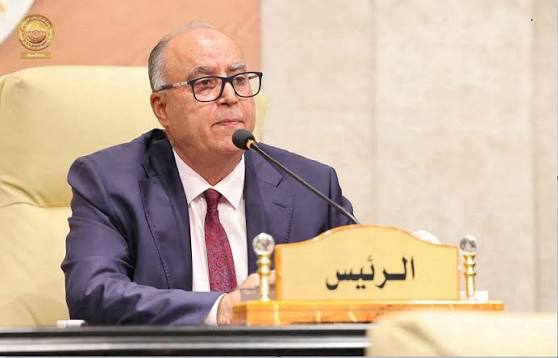
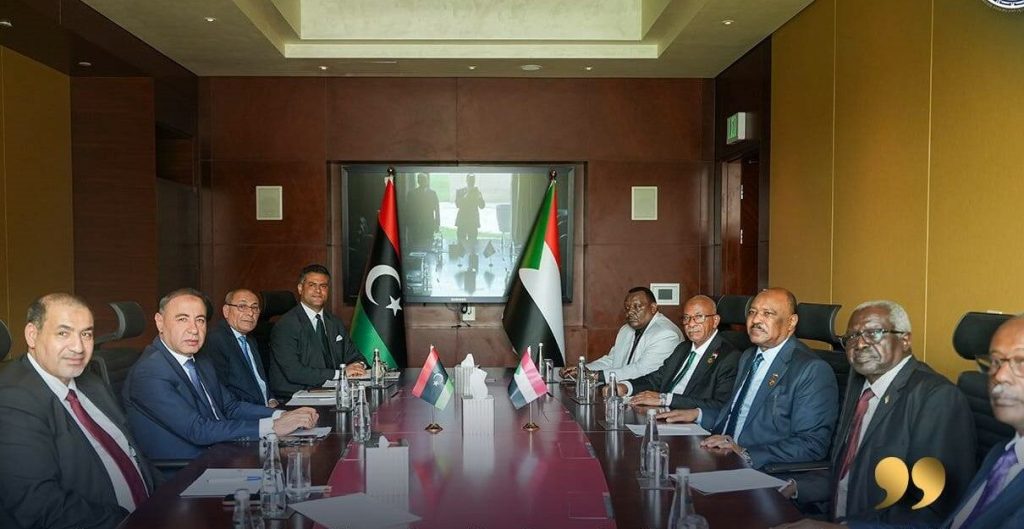
Libya’s Presidential Council has reaffirmed its support for Sudan at a time when the conflict there continues to reshape regional dynamics. The announcement followed a meeting in Tripoli between Presidential Council head Mohamed Menfi and Sudanese Foreign Minister Mohi El-Din Salem Ahmed, where both sides emphasized humanitarian cooperation and political coordination.
Menfi stressed Libya’s commitment to easing humanitarian suffering in Sudan while strengthening bilateral relations. Sudanese officials, in turn, welcomed Libya’s renewed regional engagement, pointing in particular to Tripoli’s reactivation of the Community of Sahel-Saharan States headquarters as a sign of growing diplomatic weight.
This exchange reflects more than diplomatic routine. It reveals Libya’s attempt to redefine its external posture while navigating internal fragmentation and regional insecurity.
A conflict spilling across borders
Sudan’s ongoing war has evolved into a complex regional crisis. Armed actors, supply routes, and displacement patterns now stretch beyond Sudan’s borders into Libya, Chad, and Egypt. The Libya–Sudan frontier has become a critical corridor for both humanitarian movement and armed logistics.
Recent fighting in the tri-border region illustrates the stakes. Control over strategic zones along the Libya–Sudan–Egypt border has shifted between Sudanese forces and paramilitary groups, with implications for arms flows and regional stability.
The presence of armed factions near Libya’s southern borders raises direct security concerns for Tripoli. It also complicates Libya’s already fragile internal balance, where rival authorities and armed groups continue to compete for influence.
Humanitarian pressures and migrant dynamics
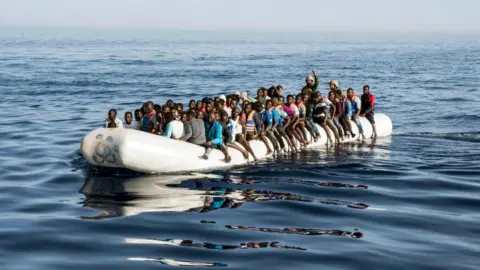
The Sudan conflict has triggered significant displacement, with thousands seeking refuge in neighboring countries, including Libya. Discussions in Tripoli addressed the situation of Sudanese nationals inside Libya, many of whom fled violence or economic crisis.
Libya already faces intense pressure as a transit hub for migrants heading toward Europe. The arrival of additional displaced populations from Sudan adds strain to local infrastructure and governance systems. It also increases the burden on humanitarian agencies operating in a fragmented security environment.
This dynamic creates a dual challenge. Libya must manage internal migration flows while positioning itself as a cooperative partner in regional humanitarian efforts. The Presidential Council’s messaging reflects this balancing act, combining solidarity with Sudan and implicit concern over domestic capacity.
Historical ties and shifting alignments
Libya and Sudan share a long history of political and security interaction. During the Gaddafi era, Tripoli often played a mediating role in regional conflicts, including efforts to reduce tensions between Sudan and Chad.
Today, the relationship has entered a more complex phase. Multiple Libyan actors maintain varying degrees of engagement with Sudanese factions, particularly along border regions where informal networks operate. At the same time, official diplomacy seeks to present a unified Libyan position through institutions such as the Presidential Council.
Sudan’s acknowledgment of Libya’s renewed regional role suggests that Tripoli’s diplomatic outreach resonates beyond its borders. However, Libya’s internal divisions continue to limit its ability to act as a cohesive regional power.
Regional competition and security risks
The Sudan conflict has drawn in multiple regional and international actors, each pursuing strategic interests. Reports of cross-border cooperation, military support, and shifting alliances highlight the extent to which the conflict has internationalized.
For Libya, this environment presents both risks and opportunities. Engagement with Sudan allows Tripoli to reassert relevance in African diplomacy, especially within frameworks such as the Sahel-Saharan bloc. At the same time, proximity to active conflict zones exposes Libya to security threats, including arms trafficking and militant movement.
The situation along Libya’s southern borders illustrates these risks clearly. Armed groups exploit porous frontiers, while state institutions struggle to maintain consistent control. The overlap between local conflicts and broader regional rivalries increases the likelihood of escalation.
Libya’s diplomatic messaging
The Presidential Council’s statement on Sudan aligns with a broader pattern in Libya’s recent foreign policy. Tripoli has sought to present itself as a constructive regional actor, capable of engaging in dialogue and supporting stability initiatives.
By emphasizing humanitarian assistance and bilateral cooperation, Libya frames its role in non-confrontational terms. This approach allows it to avoid direct entanglement in Sudan’s internal conflict while still maintaining influence.
At the same time, the messaging signals a desire to reclaim diplomatic relevance. Libya’s reactivation of regional institutions and its engagement with neighboring states reflect an effort to move beyond its image as a fragmented state.
Analytical outlook
Libya’s reaffirmation of support for Sudan marks a calculated diplomatic step rather than a transformative shift. Tripoli aims to balance three priorities: managing spillover from Sudan’s conflict, strengthening its regional standing, and navigating its own internal divisions.
The effectiveness of this approach will depend on several factors. First, Libya’s ability to control its southern borders will shape how deeply the Sudan conflict affects its internal security. Second, the coherence of Libya’s political institutions will determine whether diplomatic messaging translates into consistent policy.
Third, the trajectory of the Sudan war itself will influence Libya’s room for maneuver. A prolonged conflict with expanding regional involvement would increase pressure on Libya, both as a transit state and as a neighboring actor.
In the near term, Libya will likely continue to pursue a cautious strategy. It will emphasize humanitarian cooperation and diplomatic engagement while avoiding direct involvement in Sudan’s internal dynamics. However, the interconnected nature of the crisis means that Libya cannot remain insulated indefinitely.