Libya and Niger have taken a new step toward rebuilding structured cooperation, signaling a broader effort to stabilize shared border regions and strengthen coordination across the Sahel.
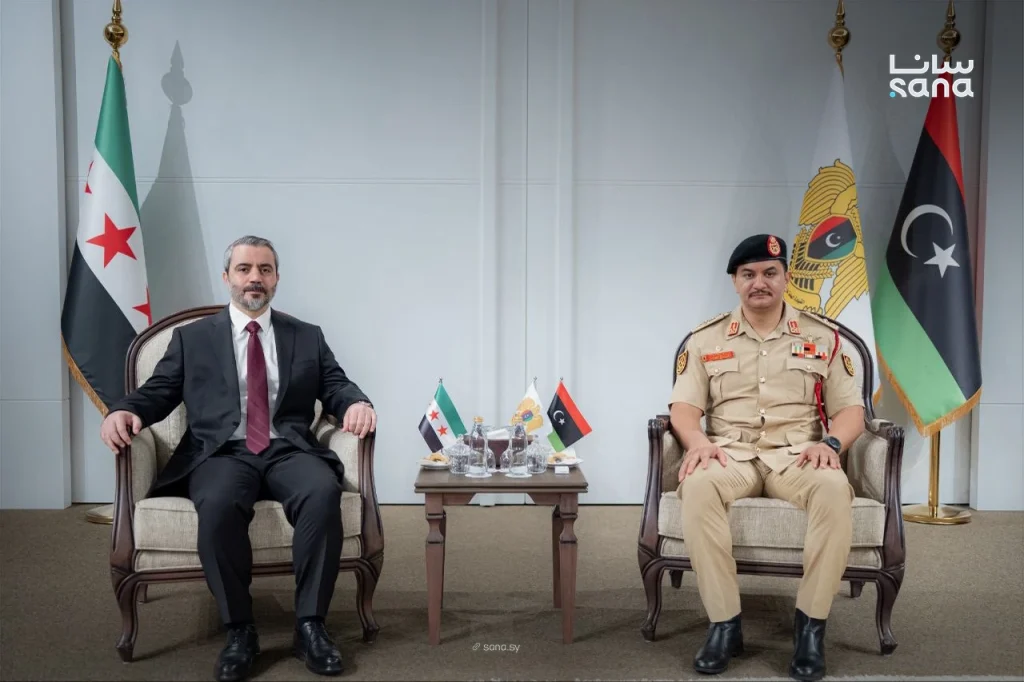
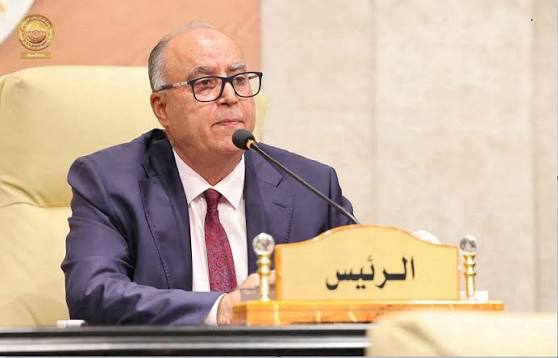
A Libyan delegation led by senior officials visited Niger this week for high-level talks focused on reviving bilateral agreements and expanding cooperation channels. Meetings brought together representatives from both governments, including senior political and security figures, to discuss border management, diplomacy, and regional coordination.
The visit reflects more than routine diplomacy. It points to a strategic alignment shaped by common security concerns, economic interests, and changing regional realities.
Security at the Center of Relations
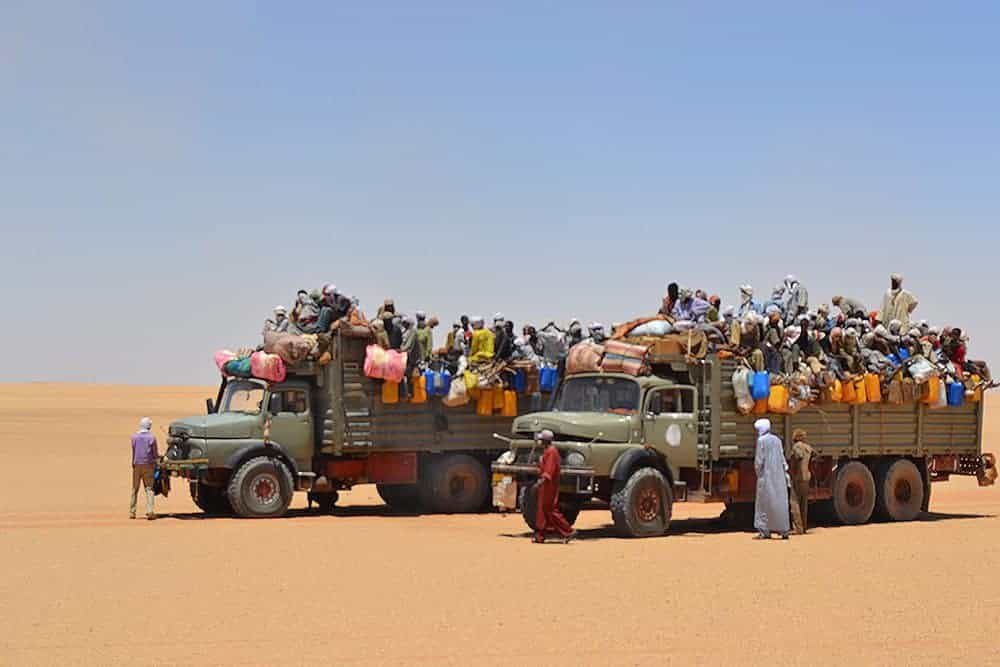
Security cooperation remains the core driver of Libya-Niger relations. Both countries face persistent instability along their shared frontier, where weak state presence has allowed armed groups, traffickers, and smuggling networks to operate across large desert areas.
Libyan authorities have increasingly stressed the importance of stronger coordination with southern neighbors. Niger holds a key position in that effort because of its location at the crossroads of Sahel transit routes.
Recent discussions reportedly focused on strengthening coordination between security institutions, improving information sharing, and raising the effectiveness of border monitoring.
For Libya, cooperation with Niger is essential to any long-term effort to secure the south. For Niger, closer coordination with Libya can help reduce pressure along its northern border while improving regional security ties.
Migration and Cross-Border Pressures
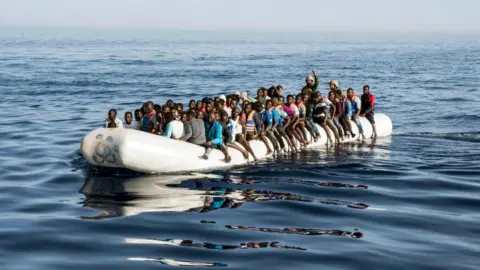
Migration remains another major issue shaping bilateral ties. Niger serves as one of the main transit countries for migrants moving north toward Libya and then onward to Europe.
That movement has created overlapping security and humanitarian pressures. Criminal networks often exploit migration routes, while remote border zones remain difficult to monitor.
Libya continues to face international pressure to manage migration flows more effectively. Niger also faces internal strains linked to displacement, economic pressure, and insecurity in the wider Sahel.
Closer cooperation gives both sides a practical tool. Joint planning can improve border oversight while helping address the networks that profit from disorder.
The latest talks also suggest a broader understanding that enforcement alone will not solve the issue. Lasting progress requires political coordination, economic opportunities, and stronger institutions.
Reactivating Dormant Agreements
One of the most important outcomes of the visit lies in the decision to activate earlier agreements that had stalled in recent years.
Many bilateral frameworks lost momentum because of political disruption in Libya and shifting priorities in Niger. Reviving those agreements allows both sides to move faster than negotiating entirely new structures.
Defense and foreign affairs appear to be immediate priorities because they offer the quickest path to visible cooperation. Once those channels begin to function more effectively, other sectors may follow.
Economic ties could become a natural next step. Trade, logistics, transport links, and local development initiatives would all benefit from improved security conditions.
The emphasis on expanding cooperation suggests that both governments want to move beyond narrow issue-based coordination toward a broader working relationship.
Libya’s Southern Strategy
Libya’s outreach to Niger fits into a wider strategic focus on the south. Over the past year, Libyan authorities have increased diplomatic engagement with neighboring Sahel states in response to growing cross-border risks.
This reflects a recognition that southern instability is tied directly to regional dynamics. Smuggling, armed activity, and migration flows move across borders rather than remaining inside them.
As a result, domestic security measures alone cannot solve the problem. Libya needs functioning partnerships with neighboring states if it wants durable stability in southern regions.
Niger stands out as a particularly important partner because it connects North Africa with deeper Sahel routes. Any meaningful strategy for the south requires coordination with Niamey.
Niger’s Strategic Interests
For Niger, stronger engagement with Libya also carries clear incentives.
Closer ties can improve border security coordination, create opportunities for economic exchange, and strengthen Niger’s diplomatic options in a complex regional environment.
Niger has faced rising pressure from insecurity across the Sahel, alongside political and economic challenges at home. Working more closely with Libya may help diversify partnerships while addressing immediate northern border concerns.
The relationship also offers practical value. Even limited gains in transport, trade, and coordination can produce benefits for communities and authorities on both sides of the frontier.
Regional Implications
The reactivation of Libya-Niger agreements may carry significance beyond the bilateral level.
First, it signals a more pragmatic model of regional diplomacy. Instead of waiting for broad multilateral frameworks, states are pursuing focused bilateral arrangements that can produce quicker results.
Second, it reinforces Libya’s continued relevance as a regional actor. Despite internal political divisions, Libyan institutions continue to engage neighboring countries on strategic issues.
Third, stronger Libya-Niger coordination could influence migration routes, border enforcement patterns, and trade flows across a wider zone linking the Sahel to the Mediterranean.
If progress continues, the partnership could encourage similar initiatives with other neighboring states.
Analytical Outlook
The latest talks do not solve the structural challenges facing either country. Libya still deals with internal fragmentation, while Niger faces serious security and economic pressures. Border regions remain difficult to govern, and implementation often proves harder than diplomatic announcements.
Even so, the move matters because it reflects a shift toward practical statecraft. Both sides appear to recognize that unmanaged borders now create direct political and economic costs.
The most likely short-term outcome is modest but meaningful progress in technical coordination, security communication, and selective implementation of older agreements. Large breakthroughs remain less likely unless broader regional conditions improve.