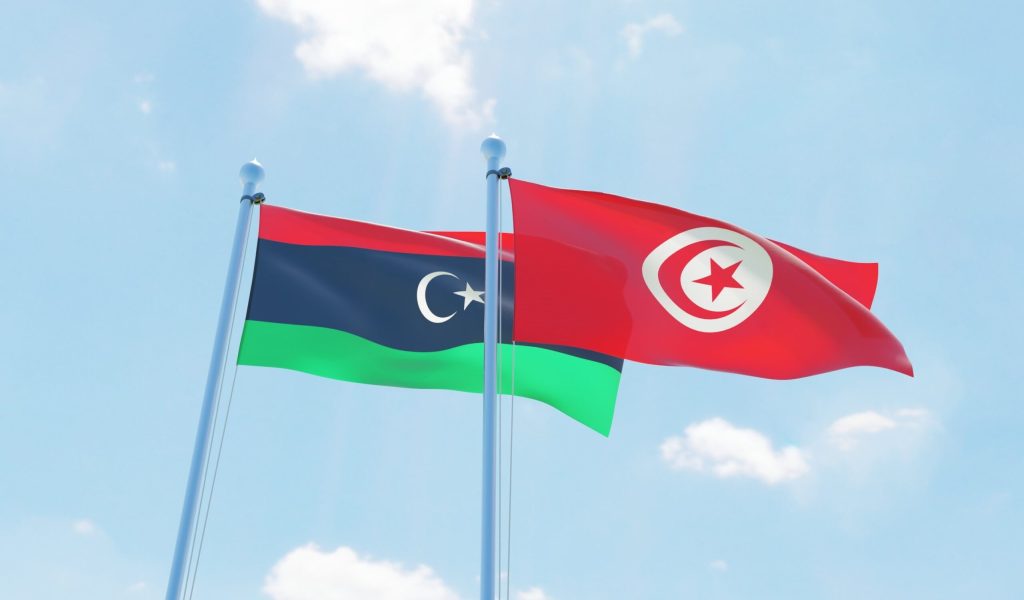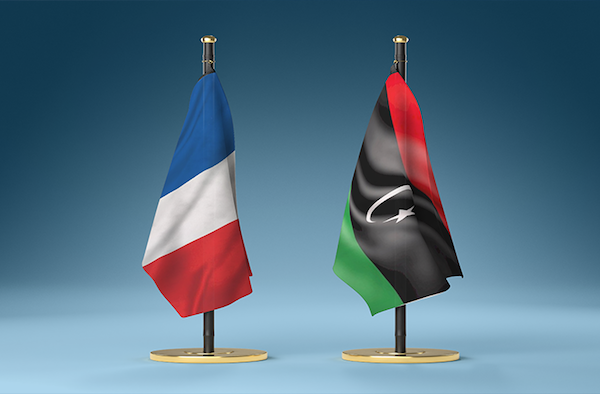
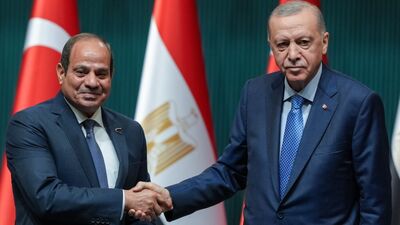
Egypt and Turkey have stepped up diplomatic coordination in early March 2026, holding talks in Cairo that focused on security developments across Libya, the Sahel, and the Horn of Africa. The talks marked another step in the ongoing rapprochement between the two countries, which had previously backed opposing sides in regional conflicts.
While discussions covered multiple regions, Libya remained a central file. Both sides reviewed political and security developments and reiterated support for Libya’s unity, sovereignty, and a UN backed political process, including the eventual organization of elections.
These consultations reflect more than routine diplomacy. They suggest a shift in how key regional actors approach Libya’s future, moving from competition toward cautious coordination.
From Competition to Strategic Alignment
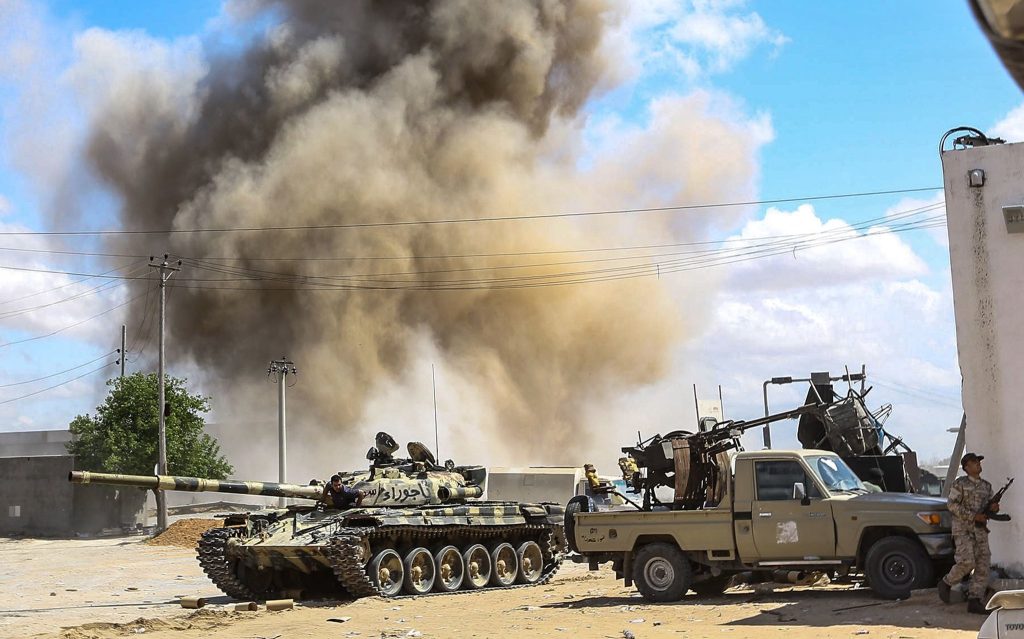
For much of the past decade, Egypt and Turkey stood on opposite sides of Libya’s conflict. Cairo supported eastern based authorities and military structures, while Ankara backed the government in Tripoli and deployed military support during key phases of the war.
The latest talks indicate a different dynamic. Rather than competing for influence, both countries now emphasize stability, state unity, and political dialogue. This shift aligns with a broader regional trend in which middle powers seek to reduce confrontation and manage shared risks.
The consultations in Cairo form part of a wider normalization process between Egypt and Turkey, which has gradually expanded from bilateral relations to coordinated positions on regional crises.
Libya Within a Wider Security Framework
The inclusion of Libya alongside Somalia and the Sahel in these discussions is significant. It places Libya within a broader regional security framework rather than treating it as a standalone crisis.
During the talks, Egypt and Turkey addressed issues such as counterterrorism, state capacity building, and regional stability across multiple theaters.
This approach reflects a growing recognition that security challenges in North Africa and the Sahel are interconnected. Cross border movement, trafficking networks, and armed group activity link Libya to wider regional dynamics.
For Libya, this framing matters. It suggests that its stability increasingly depends not only on internal political agreements, but also on coordination among regional actors.
What This Means for Libya’s Political Process
Egypt and Turkey both reaffirmed support for a Libyan led political process and the need to prepare conditions for elections.
This convergence could have practical implications. When regional actors align on core principles, they reduce the risk of competing external agendas that have previously complicated Libya’s transition.
In earlier phases of the conflict, external support often reinforced internal divisions. Different Libyan actors relied on different international backers, which made compromise more difficult. A more coordinated external environment could ease some of these pressures.
At the same time, alignment at the diplomatic level does not automatically translate into unified action on the ground. Libya’s internal fragmentation remains the primary constraint on political progress.
Security Implications: Coordination Over Competition
The shift toward Egypt–Turkey coordination may also influence Libya’s security landscape. Both countries have direct or indirect relationships with security actors inside Libya, and their positions shape the broader balance.
If coordination continues, it could reduce the likelihood of escalation driven by external rivalry. Instead of competing through local partners, regional actors may prioritize stability and containment.
This does not mean that Libya’s security challenges will disappear. Armed groups, fragmented institutions, and localized dynamics will continue to shape the environment. However, reduced external competition can often create a more predictable context in which these challenges are managed.
A Regional Logic of Stability
The inclusion of Somalia and the Sahel in the discussions highlights a shared regional logic. Egypt and Turkey emphasized support for state institutions, counterterrorism efforts, and territorial integrity across these regions.
This reflects a broader shift toward what could be described as a “state centric” approach to regional security. Rather than supporting fragmented actors, regional powers are increasingly framing stability in terms of institutional strength and national unity.
Limits of External Coordination
Despite these developments, external alignment has clear limits. Libya’s internal political divisions, competing authorities, and hybrid security structures remain unresolved.
Regional coordination can support stability, but it cannot replace domestic political agreements. Progress still depends on Libyan actors’ ability to negotiate and implement unified frameworks.
There is also the question of consistency. While Egypt and Turkey now share common positions at the diplomatic level, their historical ties to different actors in Libya continue to shape their engagement.
Analytical Outlook
The recent Egypt–Turkey diplomatic talks signal a meaningful shift in the regional environment surrounding Libya. The move from rivalry to coordination reduces external friction and supports a more stable framework for engagement.
For Libya, this creates a more favorable context for political and security progress. External actors appear increasingly aligned around core principles such as unity, sovereignty, and institutional stability.
However, the impact of this shift will depend on how it translates into practice. Coordination at the regional level can create space for progress, but it does not resolve Libya’s internal challenges.
The broader significance lies in the direction of change. Libya is no longer only shaped by competing external agendas. It is increasingly embedded in a regional effort to manage instability through cooperation.