Libya’s political transition is again being discussed alongside a broader question: whether the country can move toward elections while also rebuilding a more unified state.
Prime Minister Abdulhamid Dbeibah discussed Libya’s political and economic situation with a senior US official, with talks focusing on the country’s electoral roadmap and efforts to strengthen economic unity. The meeting comes as international attention remains focused on whether Libya’s rival institutions can move beyond the prolonged transitional period and create conditions for nationwide elections.
For Libya’s security environment, the importance of these discussions extends beyond the timing of elections. A credible political process would also have to address the institutional divisions that have developed across the country, including competing centres of authority and fragmented security structures. Without progress on those issues, an election could change political leadership without fully resolving the underlying disputes over state authority.
Elections and security remain closely linked
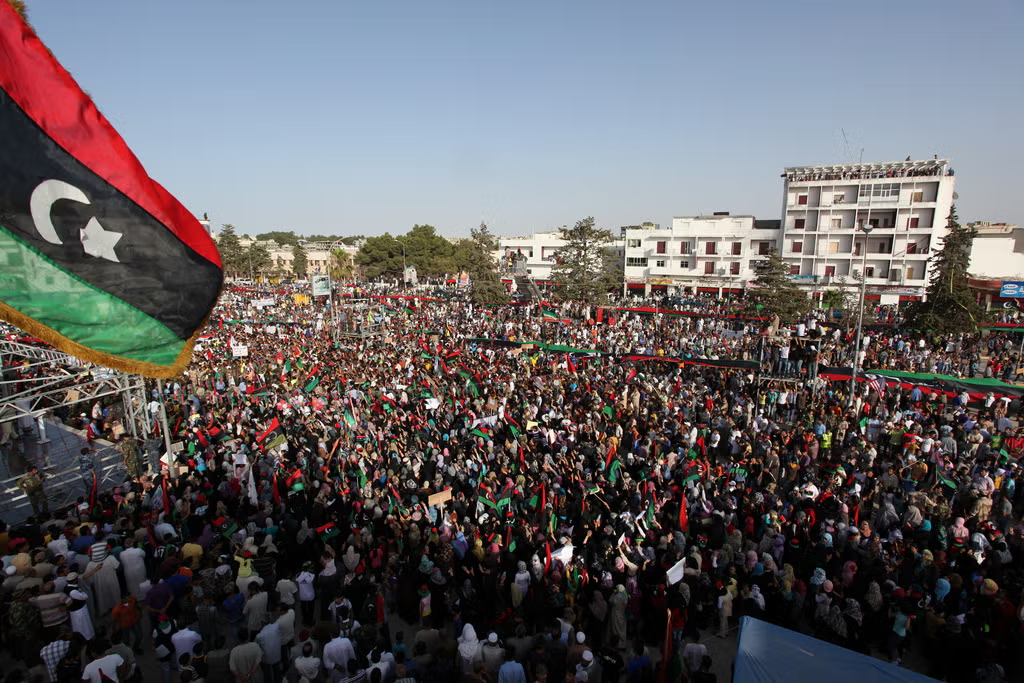
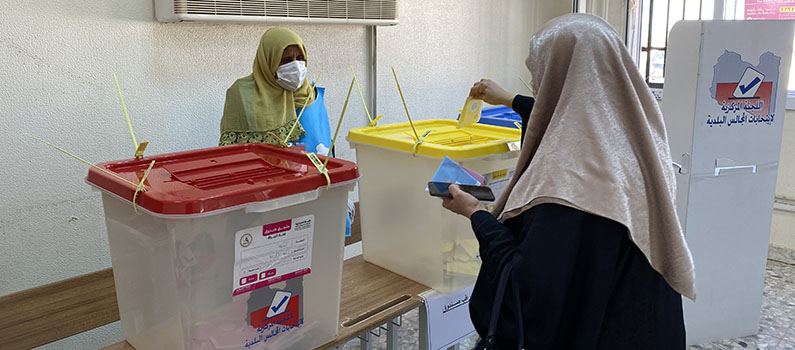
Libya has not held national elections since the process scheduled for December 2021 collapsed amid disagreements over the legal and constitutional framework and the eligibility of candidates. Since then, successive efforts to establish a workable political settlement have struggled to produce a final transition.
The current UN-backed process places elections within a wider framework that includes governance, economic and security questions. The UN roadmap is designed to address several of the institutional problems that have prevented Libya from moving toward a stable political settlement, rather than treating elections as an isolated event.
That distinction matters from a security perspective. Libya’s political divisions have repeatedly intersected with competition between armed groups and rival state institutions. Control over ministries, financial institutions, security bodies and strategic infrastructure can carry direct consequences for the balance of power between competing actors.
A political agreement that does not translate into functioning national institutions could therefore leave many of those security pressures unresolved.
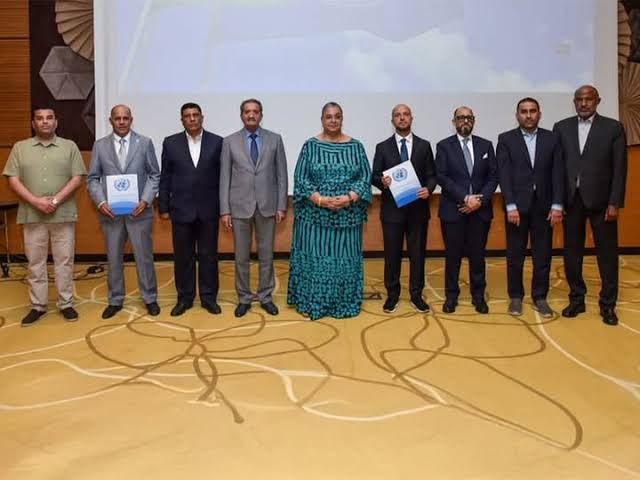
The latest discussions also come as Libya’s political actors are considering a wider agreement aimed at creating a pathway toward presidential and parliamentary elections within a defined timeframe. Recent analysis of the UN-supported 4+4 process has highlighted both its potential to establish a framework for elections and the difficulties involved in securing institutional approval and implementation.
Economic unity is part of the security equation
The inclusion of economic unity in the US-Libyan discussions is also significant.
Libya’s economic institutions have increasingly become part of the country’s political and security disputes. Oil revenues remain the main source of state income, while control over public spending, foreign currency and state institutions can influence the wider balance between rival centres of power.
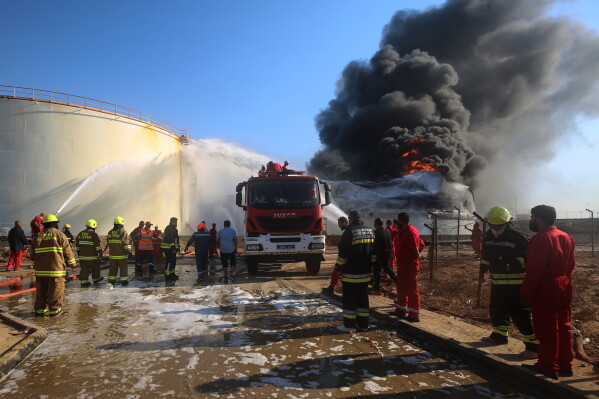
Economic fragmentation can also create security risks when disputes over resources become linked to political or armed pressure. Oil production and exports have previously been affected by local and political disputes, demonstrating how quickly competition over state resources can become a national security issue.
For this reason, efforts to establish more coordinated economic institutions are closely connected to the broader question of state consolidation. A unified political authority would need functioning financial and administrative structures capable of operating across the country.
Recent international efforts have therefore increasingly treated economic coordination as part of the wider political settlement rather than as a separate technical issue. The 2026 political roadmap itself identifies economic matters alongside governance and security as areas requiring structured engagement.
The implementation challenge
The central issue now is less about whether Libya needs elections than about how the country can reach them without reopening the divisions that have repeatedly stalled previous attempts.
The emerging roadmap requires cooperation between institutions that have competing interests and different views about the country’s political future. Recent assessments have noted that even an agreement on the broad framework does not automatically resolve questions over how a unified executive authority would be established or how the political institutions would implement the agreed steps.
That creates a security dimension to the timetable. Any prolonged dispute over the formation of state institutions could create uncertainty for the security sector, while disagreements over political authority could once again spill into competition over territory, government facilities and economic assets.
For international actors, including the United States and the United Nations, the challenge is therefore likely to be maintaining support for a Libyan-led political process while encouraging the institutions involved to implement commitments already made.
The latest US-Libyan discussions indicate that elections, economic coordination and national unity are increasingly being treated as connected parts of the same transition. For Libya’s security environment, progress will ultimately depend not only on agreeing on an electoral roadmap, but on whether that roadmap can produce institutions capable of exercising authority across the country.
Until that happens, the political and security tracks will remain closely intertwined.