A New Phase for Libya Foreign Investment Return
Libya foreign investment return has become one of the most closely watched indicators of the country’s economic trajectory as 2025 unfolds. After years of uncertainty, international capital is cautiously re-engaging, guided less by optimism and more by disciplined risk assessment. Rather than chasing rapid expansion, investors are prioritizing stability, enforceable contracts, and gradual exposure.
This shift marks a departure from earlier post-conflict cycles, signaling a more mature and measured phase in Libya’s economic reintegration.
Libya Foreign Investment Return: From Withdrawal to Reassessment
In the years following 2011, foreign investment in Libya collapsed under political fragmentation, legal ambiguity, and repeated disruptions. Even during moments of optimism, investors often withdrew at the first sign of instability.
By 2025, the conversation has changed. Investors are no longer asking whether Libya is fully stable, but whether risks are identifiable, manageable, and contained. This recalibration reflects a more pragmatic understanding of operating in complex environments.
Legal and Financial Signals Supporting Libya Foreign Investment Return
Institutional reforms have played a central role in restoring confidence. Improved coordination between the Central Bank and commercial banks, clearer payment mechanisms, and more consistent contract enforcement have reduced operational uncertainty. Initiatives led by the Libyan Investment Authority provide additional guidance on investment regulation, dispute resolution, and financial structuring, helping to reassure foreign investors.
While Libya’s legal framework remains imperfect, dispute resolution tools such as arbitration clauses and escrow mechanisms are increasingly standard. These safeguards allow foreign firms to operate with greater predictability and reduced exposure.
Sectoral Entry and Phased Investment Strategies
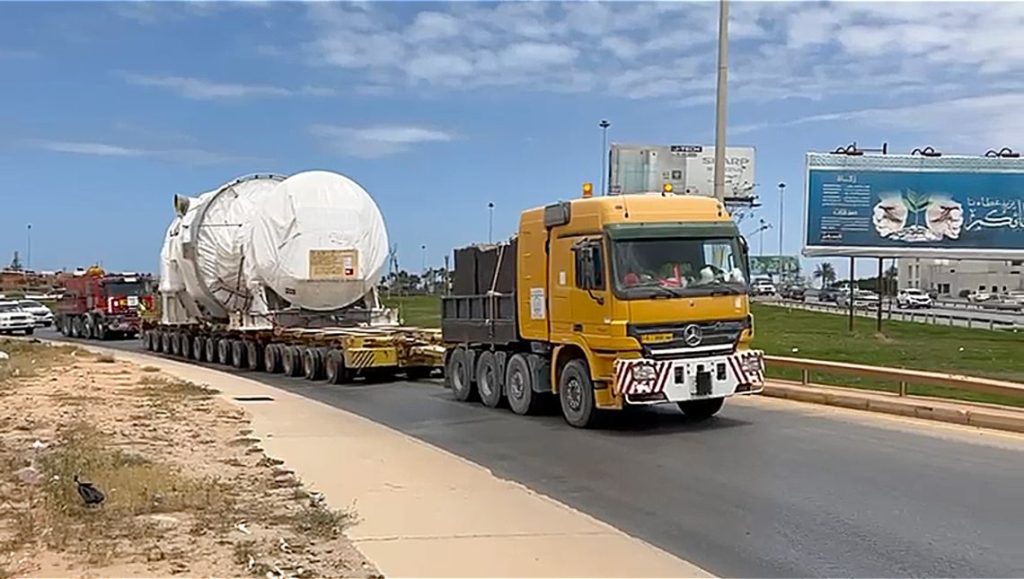
Foreign investment is returning unevenly across sectors. Energy services, infrastructure, logistics, and telecommunications have led the recovery due to their strategic importance and manageable risk profiles.
Rather than large-scale commitments, investors favor phased entry models—pilot projects, service contracts, and joint ventures. This approach allows capital to test regulatory conditions before expanding exposure, reinforcing sustainability over speed.
Risk Management Over Rapid Expansion
The current investment climate prioritizes resilience over growth. Political fragmentation, regulatory overlap, and administrative delays remain realities, but investors now account for these factors rather than underestimate them.
Risk mitigation tools such as political risk insurance, localized partnerships, and diversified operational structures have become standard. This shift reduces volatility and limits abrupt exits, contributing to longer-term stability.
Local Capacity and Economic Integration
The return of foreign investment is also strengthening domestic capacity. International firms increasingly rely on Libyan contractors, engineers, and service providers, integrating local expertise into project delivery.
This model promotes skills transfer, strengthens supply chains, and embeds investment more deeply within the local economy. Over time, it reduces dependence on external labor and enhances institutional resilience.
Regional and European Engagement
European, Turkish, and Gulf investors dominate Libya’s current re-engagement phase. Proximity, historical ties, and operational familiarity make these actors more comfortable navigating Libya’s evolving environment.
European participation, in particular, aligns with broader regional priorities such as energy security and migration management. This alignment provides political backing that reinforces investor confidence.
Constraints That Continue to Shape Investment Decisions
Despite progress, challenges persist. Bureaucratic delays, inconsistent regulation, and currency management issues remain obstacles. Investors accept these risks only when transparency and predictability offset uncertainty.
Sustained reform, not short-term stabilization, will determine whether confidence deepens or plateaus.
Outlook: A Measured Return to Global Capital Markets
Libya foreign investment return is unfolding gradually rather than dramatically. This measured pace reflects realism rather than weakness. Each successful project builds credibility and lowers barriers for subsequent investment.
If current trends continue, Libya’s reintegration into global capital flows will be steady and durable. Stability, not speed, is now the defining metric of success.