Libya Italy Relations in 2025: From Volatility to Pragmatic Cooperation
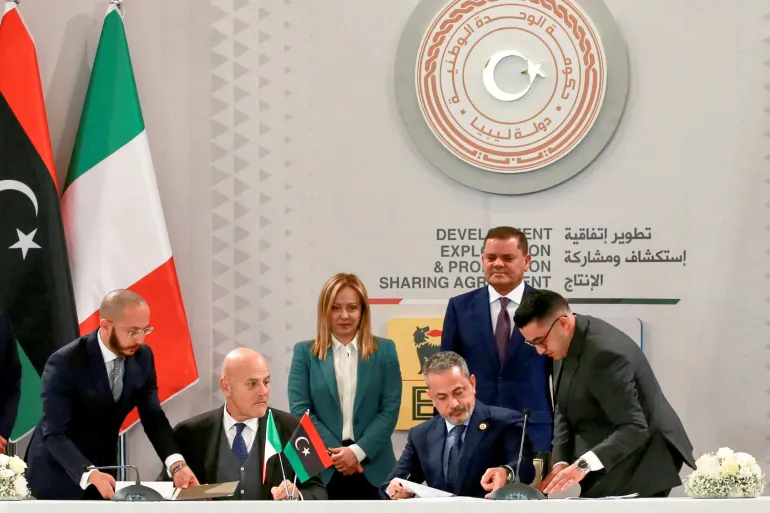
Libya Italy relations in 2025 have entered a more pragmatic and results-driven phase as both countries adjust to shifting realities across the Mediterranean. Cooperation is now defined by steady engagement on energy security, migration management, and institutional coordination, reflecting a shared understanding that stability and predictability matter more than symbolism in Mediterranean diplomacy.
A Reset in Libya Italy Relations
For much of the past decade, Libya Italy relations fluctuated with Libya’s internal political divisions and regional instability. Engagement often surged during crises and faded once immediate pressures eased. This cycle limited long-term impact and undermined trust.
Since the post-2020 stabilization phase, both sides have recalibrated expectations. Rome has emphasized continuity of engagement regardless of political shifts in Tripoli, while Libyan authorities have prioritized cooperation that delivers tangible outcomes. This reset has made the relationship more resilient.
Energy Cooperation as a Foundation
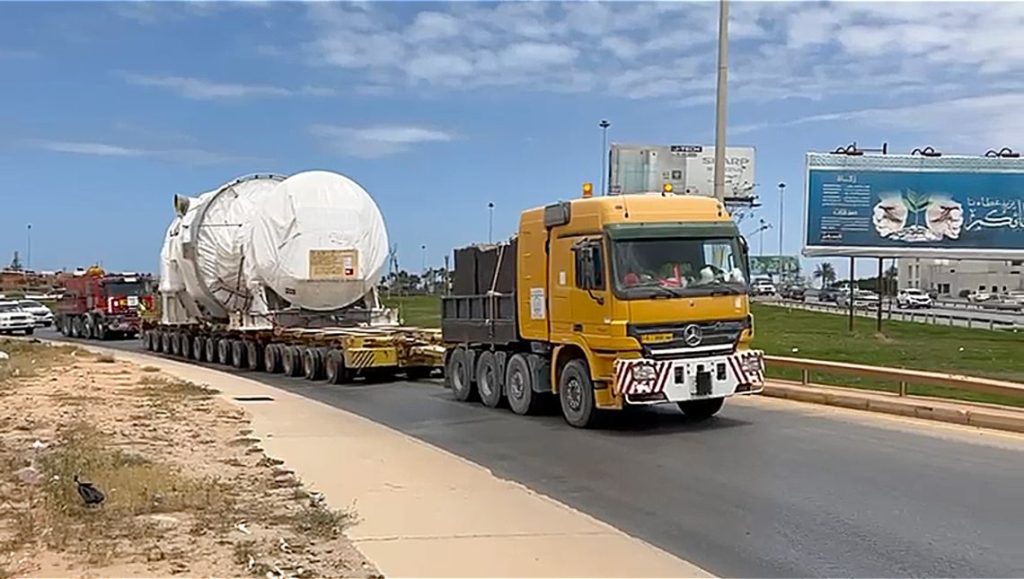
Energy remains the backbone of bilateral ties. Italy continues to rely on Libya as a strategic energy partner, while Libya benefits from Italian technical expertise and long-standing infrastructure links. Cooperation now extends beyond production volumes to maintenance, safety standards, and workforce development. These practical dimensions reduce operational risk and reinforce mutual dependence. Energy cooperation has also become more insulated from political tensions, reflecting its strategic importance to both countries.
Migration Management and Operational Coordination
Migration has become a defining issue in bilateral engagement. Rather than relying on short-term deterrence measures, recent cooperation emphasizes institutional coordination, capacity building, and information sharing.
Italian support focuses on improving Libyan administrative systems, humanitarian standards, and coordination with regional partners. This approach reflects lessons learned from earlier phases, where limited institutional investment produced fragile results.
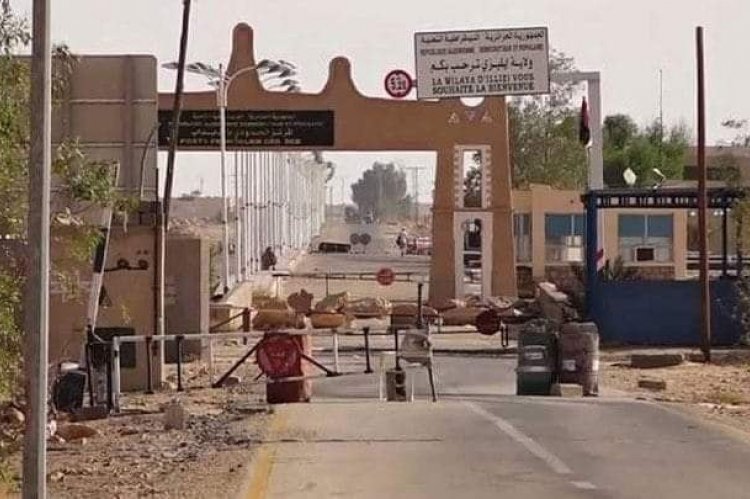
While migration remains politically sensitive, pragmatic cooperation has reduced volatility and enabled more predictable coordination between authorities.
Infrastructure and Economic Engagement
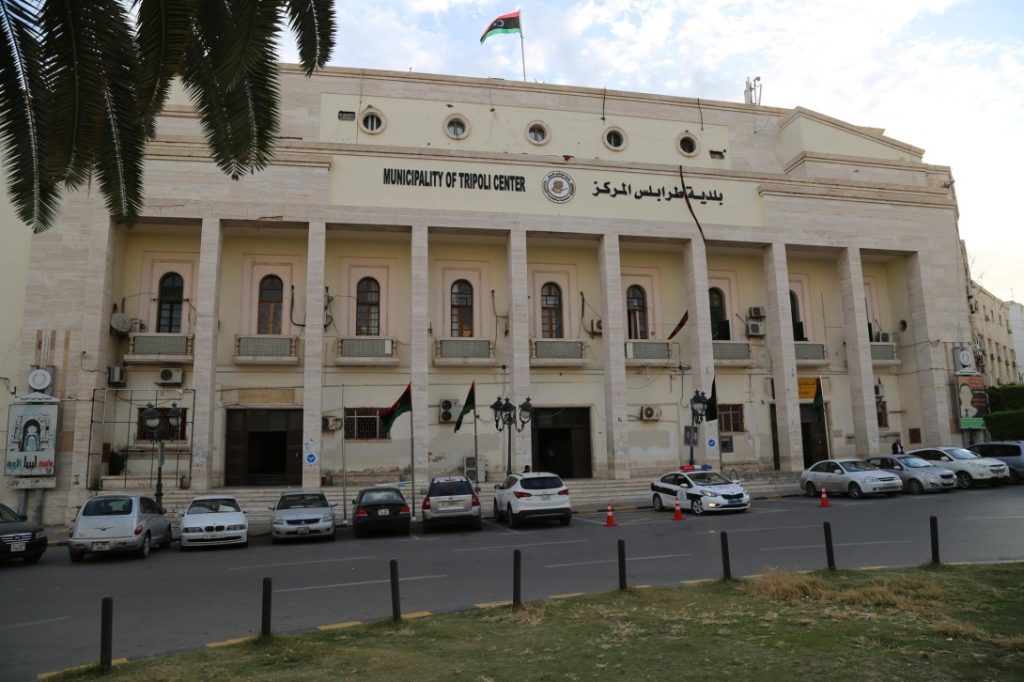
Infrastructure cooperation has emerged as a quieter but increasingly important pillar of engagement. Italian companies are involved in transport planning, urban rehabilitation, and technical services across several Libyan cities. These projects support Libya’s reconstruction needs while providing Italian firms with stable commercial opportunities. Infrastructure engagement also strengthens Libya’s connectivity to regional markets, reinforcing economic interdependence.
Economic cooperation is framed less as aid and more as partnership, aligning incentives on both sides.
Political Dialogue and Diplomatic Balance
Political dialogue within Libya Italy relations has shifted toward balance and restraint. Italy avoids exclusive alignment with any single Libyan faction, focusing instead on maintaining working relationships across institutions. This approach reduces diplomatic volatility and protects long-term cooperation from political shocks. For Libya, it reinforces the perception of Italy as a consistent and reliable partner rather than an intermittent actor.
Diplomatic balance has become a stabilizing feature of the relationship.
Libya Italy Relations in the European Context
Libya Italy relations also influence broader European engagement. Italy often serves as a conduit between Libyan priorities and EU frameworks, translating local realities into European policy language. This intermediary role enhances Libya’s visibility within European institutions and ensures its concerns are reflected in Mediterranean initiatives. It also allows Italy to shape EU engagement in a way that aligns with regional stability goals.
Strategic Benefits for Both Sides
For Libya, cooperation with Italy offers access to expertise, investment, and diplomatic support without excessive political conditionality. For Italy, stable engagement with Libya supports energy security, migration management, and Mediterranean stability. This alignment of interests explains why cooperation has endured despite ongoing challenges.
Institutional Continuity and Long-Term Engagement
A key factor behind the durability of recent cooperation is institutional continuity. Libya Italy relations are increasingly anchored in working-level coordination between ministries, agencies, and technical bodies rather than dependent on political summits alone. This reduces the risk that leadership changes or domestic political pressures derail ongoing projects.
Regular technical exchanges in energy management, migration coordination, and infrastructure planning have normalized cooperation. These interactions build trust over time and allow both sides to address problems before they escalate into political disputes. Italian agencies working with Libyan counterparts now prioritize long-term capacity building instead of short-term crisis response.
This institutional approach also reflects a broader shift in Italy’s Mediterranean policy. Rather than episodic engagement driven by emergencies, Rome is investing in sustained relationships that can absorb shocks. For Libya, this consistency is valuable. It allows authorities to plan projects with greater confidence and align national priorities with external support.
As cooperation becomes more routine and less reactive, Libya Italy relations are moving away from volatility toward predictability. This evolution does not eliminate political risk, but it narrows the space for sudden breakdowns and reinforces cooperation as a standing feature of Mediterranean diplomacy rather than a temporary response to crisis.
Future Direction of Libya Italy Relations
Looking ahead, Libya Italy relations are likely to deepen through sector-specific cooperation rather than comprehensive political agreements. Energy, migration coordination, and infrastructure will remain the core pillars.
As long as pragmatism continues to guide engagement, the relationship is likely to remain stable and productive, even amid broader regional uncertainty.