Libya Oil Sector Stability Enters a New Phase
Libya oil sector stability has become the central priority for policymakers, investors, and international partners as the country enters 2026. While production volumes often dominate headlines, Libya’s long-term recovery now depends less on how much oil is produced and more on whether production can remain reliable, predictable, and insulated from political disruption.
After years of shutdowns, blockades, and sudden restarts, Libya’s oil sector is showing signs of operational maturity. This shift toward stability is reshaping investor confidence, government planning, and Libya’s standing in global energy markets.
From Volatile Output to Reliable Production
For much of the past decade, Libya’s oil industry was defined by volatility. Production surged and collapsed in response to political disputes, local grievances, and security breakdowns. These fluctuations undermined long-term planning and damaged Libya’s reputation as a dependable supplier.
Since the post-2020 stabilization phase, authorities have focused on reliability over expansion. Production levels are now managed to avoid stress on infrastructure and personnel. This shift reflects a growing recognition that consistency is more valuable than record output.
Institutional Reforms Supporting Libya Oil Sector Stability
Institutional coordination has played a key role in improving Libya oil sector stability. Enhanced cooperation between the National Oil Corporation, the Central Bank, and security authorities has reduced the frequency of politically motivated disruptions.
Clearer budgeting mechanisms now ensure that operational costs, salaries, and maintenance expenditures are funded without prolonged delays. This reduces internal grievances that previously escalated into field shutdowns. Predictable financing has also improved workforce morale and professional accountability.
Security Arrangements at Energy Facilities
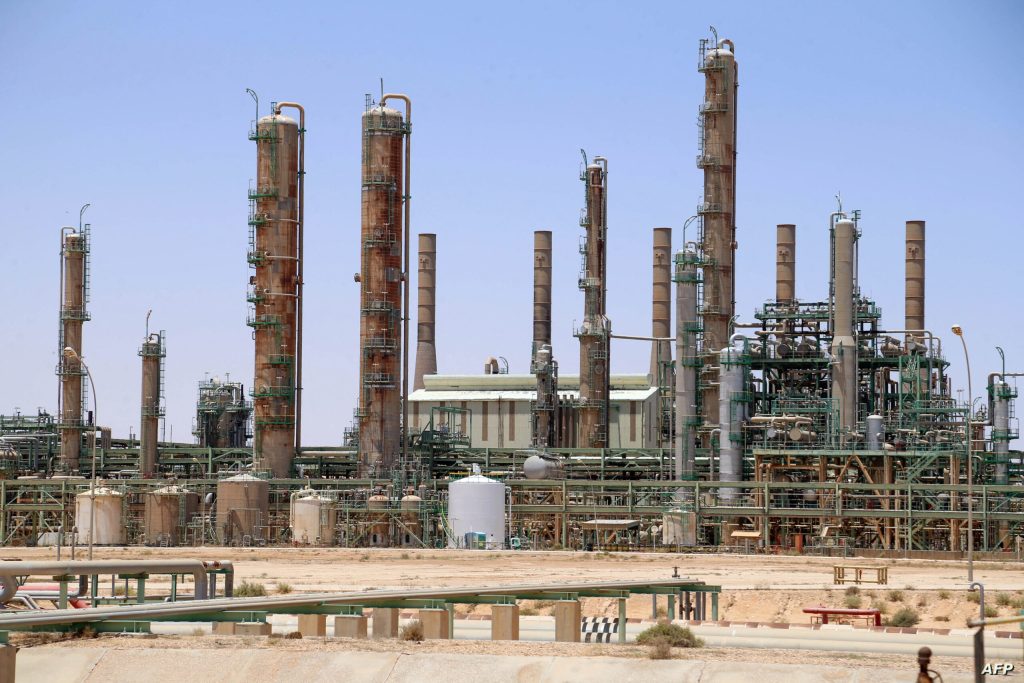
Security remains a decisive factor in oil sector performance. Energy facilities are increasingly protected through negotiated frameworks that prioritize continuity and de-escalation. Rather than relying on temporary deployments, authorities have emphasized durable arrangements that involve local actors while preserving national oversight.
These models align incentives among communities, security units, and state institutions. When all parties benefit from uninterrupted production, disruptions become less likely and disputes are resolved through negotiation rather than shutdowns.
Libya Oil Sector Stability and Fiscal Planning
Libya oil sector stability has transformed government planning. Predictable export revenues allow the state to manage salaries, subsidies, and public spending with greater discipline. Stable income flows also reduce pressure on foreign currency reserves and support exchange rate management.
Improved fiscal predictability strengthens coordination across ministries and limits emergency financing measures. This contributes to macroeconomic stability and reinforces confidence in state institutions.
Economic Impact Beyond the Energy Sector
Reliable oil production supports recovery across the broader economy. Construction firms, logistics providers, and service companies depend on timely government payments and stable currency conditions. When oil revenues flow predictably, these sectors benefit from improved liquidity and planning certainty.
Stable revenues also create space for gradual diversification. Rather than forcing abrupt reforms during fiscal crises, authorities can invest in infrastructure, skills development, and regulatory improvements over time.
International Confidence and Market Perception
International partners increasingly view Libya oil sector stability as a sign of institutional maturity. Energy companies, insurers, and service providers are more willing to operate when disruptions become rare rather than routine.
This confidence lowers operational risk premiums and strengthens Libya’s position in long-term commercial negotiations. Stability also encourages reinvestment in aging infrastructure, improving safety, efficiency, and environmental standards.
Institutional Durability and Long-Term Risk Management
Beyond day-to-day operations, long-term risk management is becoming central to Libya’s oil sector trajectory. Years of disruption exposed how vulnerable production was to political shocks, funding delays, and fragmented authority. Recent efforts focus on reducing these systemic risks rather than reacting to each crisis as it emerges.
Maintenance planning has improved, with longer-term service contracts replacing emergency repairs. This reduces unplanned outages and extends the lifespan of critical infrastructure. Workforce management has also become more professionalized, limiting the role of ad hoc hiring and reinforcing technical standards across facilities.
Crucially, decision-makers increasingly recognize that oil sector disruptions carry national costs extending far beyond energy revenues. Shutdowns destabilize the currency, strain public finances, and erode confidence across the economy. This awareness has strengthened informal red lines against weaponizing production for political leverage.
While Libya’s political environment remains complex, the oil sector now benefits from a shared understanding that reliability serves all stakeholders. This emerging consensus does not eliminate risk, but it narrows the space for disruption and reinforces oil’s role as a stabilizing institution rather than a pressure point.
Outlook for Libya’s Oil Sector
Looking ahead, the sustainability of current gains will depend on continued institutional discipline. Political competition remains a risk, but the cost of disruption is now better understood across the system.
If current trends continue, Libya’s oil sector will remain the financial backbone of recovery while supporting broader economic reform. Reliability, rather than expansion, will define the sector’s contribution to national stability.