Ports at the Center of Libya’s Security and Economic Revival
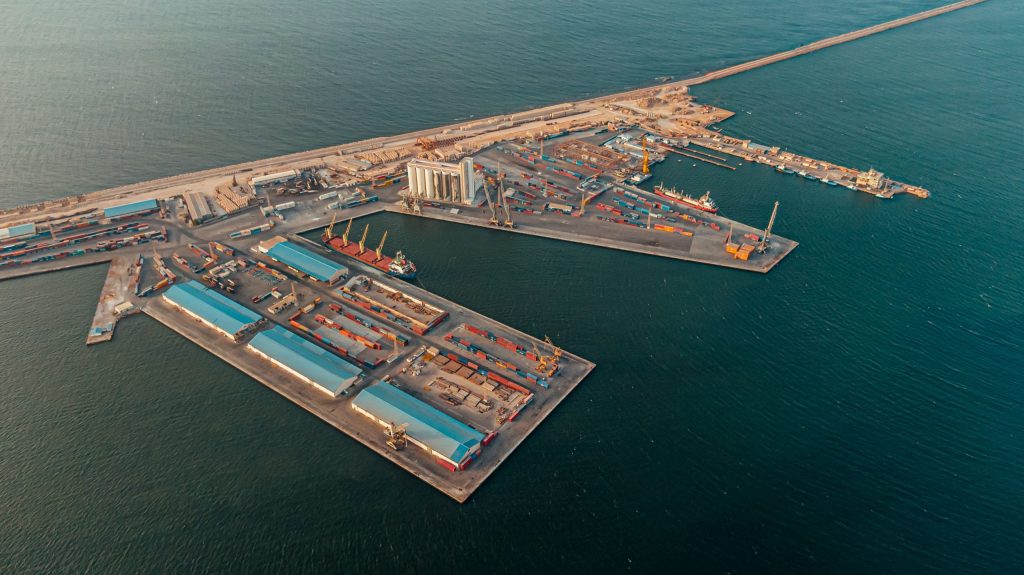
Libya’s port modernization is accelerating in late 2025, turning maritime infrastructure into a vital asset for trade and security. After a decade of volatility, ports such as Misrata, Benghazi, and Tobruk are becoming more reliable, more efficient, and more connected to European partners. This shift is reshaping both regional commerce and the Mediterranean security landscape. For Libya, this transformation offers more than operational gains. It provides a path to long-term stability rooted in infrastructure, cooperation, and renewed confidence.
A New Phase of Libya’s port modernization
Recent investments in port infrastructure are directly improving Libya’s ability to counter smuggling and maritime crime. New radar systems, upgraded AIS tracking, and expanded coastal surveillance coverage have already raised interception rates along Libya’s central Mediterranean corridor. Because these improvements arrived alongside EU-funded border-management support, maritime authorities now detect suspicious vessels more quickly and coordinate responses with far greater precision.
In Misrata and Benghazi, the installation of high-frequency coastal monitoring systems has significantly reduced blind spots. These upgrades also allow real-time data-sharing with European maritime agencies. As a result, patrol units can respond faster to smuggling attempts, fuel trafficking, and irregular migration routes.
European agencies have also increased the frequency of joint simulations and training exercises. These drills focus on search-and-rescue coordination, container-scanning procedures, and night-time vessel tracking. They help ensure that Libya’s modernized ports are not just equipped with new tools, but also staffed by personnel capable of using them effectively. This combined approach strengthens maritime governance and gives Libya a more active role in regional security frameworks.
Libya’s port modernization Are Reopening Mediterranean Trade Routes
Libya’s modernized ports are gradually restoring confidence among regional shipping operators. This trend is visible in the revival of suspended routes, including Malta–Misrata and Alexandria–Benghazi links. As reliability improves, logistics firms are returning after years of hesitation driven by conflict-related risks.
Infrastructure rehabilitation has also attracted new investment commitments from Italian, Turkish, and Emirati firms. These companies support projects such as container-yard expansions, deep-water berth maintenance, and digital port-management systems. Since these upgrades align with international shipping standards, Libya is becoming more competitive within Mediterranean logistics networks.
Throughout 2025, cargo throughput increased across several key terminals. The rise in container volume signals that Libya’s ports are not only functional but increasingly trusted. This momentum supports local supply chains, lowers shipping insurance premiums, and strengthens Libya’s role in regional commerce.
Diversification is another important outcome. Improved port capacity enables Libya to expand export activities beyond crude oil. Fisheries, construction materials, agricultural goods, and manufactured products are slowly re-entering regional markets. As port logistics stabilize, these sectors gain a more predictable pathway to growth. In time, they may form the backbone of a broader non-oil economy that reduces Libya’s exposure to global energy shocks.
Shared Port Governance Is Creating Functional East–West Cooperation
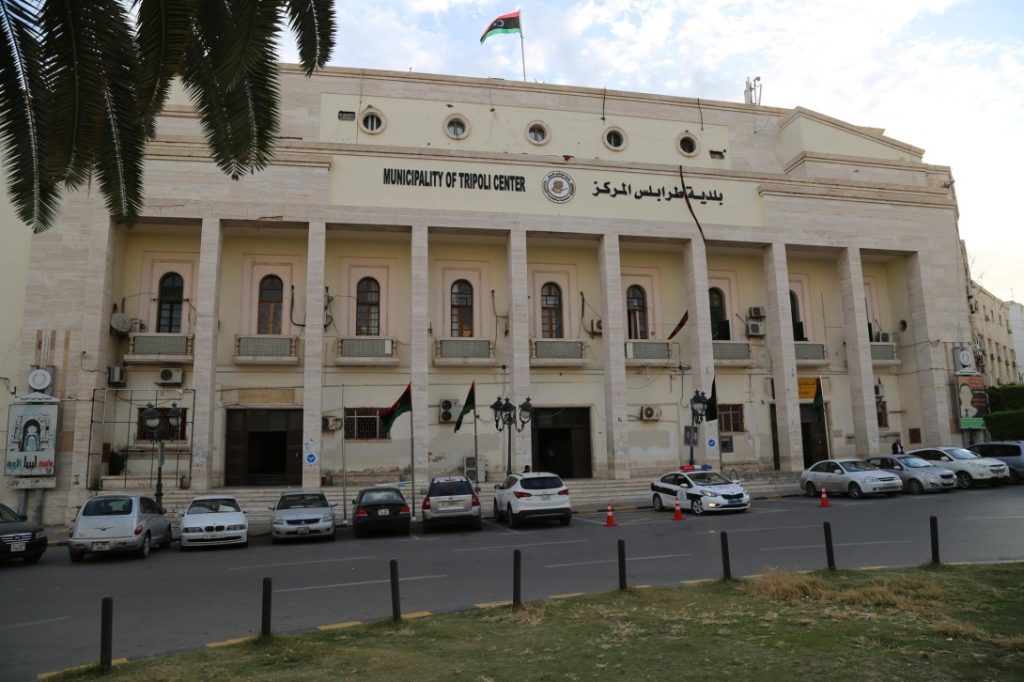
One of the most significant outcomes of Libya’s port revival is the emergence of practical cooperation between the Tripoli-based Government of National Unity (GNU) and the eastern Government of National Stability (GNS). Although political divisions persist, port operations require consistent coordination on customs documentation, vessel clearance, and export protocols. As a result, maritime governance has become a rare area where cooperation is both possible and necessary.
Joint committees now manage several aspects of port operations. These include import-processing timelines, cargo-inspection procedures, and standardized customs forms. Because the National Oil Corporation (NOC) relies on unified export rules, both administrations have strong incentives to maintain coordination. The result is a more predictable environment for traders, investors, and maritime partners.
This form of cooperation strengthens Libya’s national stability from the bottom up. It shows that institutions can function even when political agreements stall. It also demonstrates that Libya can meet international expectations for transparency, reliability, and operational continuity. If sustained, it may serve as a model for cooperation in aviation, energy logistics, and industrial development.
Ports as Strategic Platforms for a Modern Mediterranean Libya
Libya’s port renaissance signals a strategic shift with long-term consequences. By improving maritime security, the country strengthens its credibility as a partner in managing central Mediterranean routes. By restoring trade reliability, it expands opportunities for investment and industrial growth. Through cross-governance cooperation, it builds practical foundations for national stability.
These changes show that port modernization is more than an infrastructure project. It is a platform for security reform, economic diversification, and regional diplomacy. As 2025 ends, Libya’s modern ports offer a glimpse of a country actively reshaping its role in the Mediterranean.
If progress continues through 2026, Libya could move from a peripheral maritime actor to a central connector linking North Africa, Europe, and the Sahel. That possibility reflects the new strategic importance of a sector once overlooked but now essential to Libya’s future.