Libya’s future stability will depend not only on political agreements and security arrangements, but also on whether the country can engage a generation that represents the majority of its population.
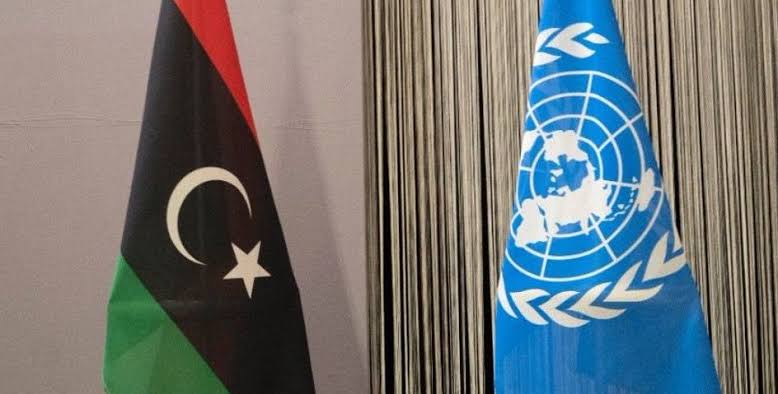
A new United Nations campaign, “Youth Voices for Libya’s Future,” highlights this challenge by inviting young Libyans to use digital creativity to express their vision for the country. The initiative, launched ahead of International Youth Day 2026, encourages Libyans aged 18 to 35 to submit original digital artwork focused on themes including climate action, education, skills development, livelihoods, and healthy communities.
While the campaign focuses on creativity, its wider significance reaches beyond art. Libya’s youth population sits at the center of the country’s political, economic, and security challenges. How Libya supports, includes, and empowers this generation will influence whether the country moves toward greater resilience or remains trapped in cycles of instability.
Libya’s Youth Challenge Is Also a Security Challenge
For more than a decade, Libya’s instability has created a difficult environment for young people. Political divisions, weak institutions, limited private sector opportunities, and insecurity have shaped the choices available to many Libyan youth.
A generation that grew up during conflict has experienced repeated disruptions in education, employment, and economic opportunities. Many young Libyans face a difficult transition from education into the workforce, while others look abroad for opportunities because they see limited prospects at home.
This creates a broader security concern.
Countries with large youth populations require effective pathways for education, employment, entrepreneurship, and civic participation. When these pathways remain limited, frustration can grow and create space for criminal networks, armed groups, or extremist organisations to exploit economic and social grievances.
For Libya, youth inclusion is therefore not simply a development issue. It is directly connected to national stability.
The UN’s campaign reflects a growing recognition that young Libyans should not only receive support but also participate in shaping the country’s future. The organisation has previously created youth engagement platforms, including its Youth Advisory Team, which brings together young Libyans from different regions to provide perspectives on UN programmes and analysis.
Digital Platforms Offer Libya a New Space for Youth Engagement
Libya’s young population is increasingly connected through digital platforms. Social media, online communities, and digital tools have become important spaces where young Libyans exchange ideas, build networks, and express concerns.
This creates an opportunity.
Traditional political structures in Libya often struggle to include young voices. Many young people feel disconnected from formal institutions and decision-making processes. Digital platforms, however, can provide alternative channels for participation.
The “Youth Voices for Libya’s Future” campaign uses this space by asking young people to communicate their ideas through digital artwork rather than traditional political participation. The approach recognises that youth engagement does not always begin inside government institutions or political forums. It can begin through creativity, technology, and public discussion.
However, digital engagement alone cannot solve Libya’s youth challenges.
Creative campaigns can raise awareness and encourage participation, but they must connect with broader policies that create real opportunities. Young people need access to quality education, technical training, employment pathways, and support for entrepreneurship.
Without these foundations, youth initiatives risk becoming symbolic rather than transformative.
Turning Youth Energy Into National Resilience
Libya’s security future will depend heavily on whether it can transform its young population from a source of frustration into a source of strength.
The country has significant advantages. Libya has a highly educated youth population, abundant natural resources, a strategic Mediterranean location, and a generation increasingly familiar with global digital trends.
The challenge is building systems that allow young people to contribute.
This requires investment in skills development, stronger connections between universities and the private sector, and greater support for technology-driven businesses. It also requires creating more opportunities outside traditional state employment, which has dominated Libya’s economy for decades.
Young Libyans are already demonstrating interest in innovation, technology, and community initiatives. Earlier youth programmes in Libya have shown strong engagement around areas such as climate innovation and entrepreneurship, highlighting the willingness of young people to participate when opportunities exist.
The security dimension is clear: a country that gives its youth a stake in the future strengthens social cohesion. A country that leaves its youth without opportunities risks deepening existing vulnerabilities.
Libya’s political transition remains uncertain, but its demographic reality cannot be ignored. Young people will shape the country regardless of whether institutions actively include them.
The question is whether Libya will create the conditions for youth to become drivers of stability, innovation, and reconstruction, or whether continued exclusion will become another challenge facing the country’s future.