In early 2026, a quieter but significant shift has begun to take shape in Libya’s security and political landscape. The Libyan National Army (LNA), once treated as diplomatically isolated by Western capitals, now appears to be entering a phase of gradual reengagement. Recent analysis suggests that the LNA has undergone a broader geopolitical repositioning, moving from isolation toward selective external engagement.
This shift does not signal a sudden realignment. It reflects a more incremental adjustment in how key actors approach Libya’s balance of power. The question is not whether the LNA is changing sides, but whether its evolving posture could reshape Libya’s political and security trajectory.
From Isolation to Reengagement
Only a few years ago, Western policy toward the LNA focused on containment. Diplomatic engagement remained limited, and external actors treated the eastern military structure as a destabilizing force.
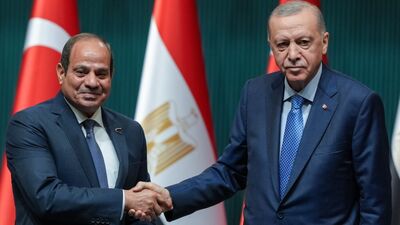
That approach now looks less rigid. Recent signals point to a more pragmatic stance, where engagement replaces exclusion. This does not imply full normalization, but it suggests that Western actors increasingly view the LNA as a necessary part of any future political arrangement.
This shift aligns with broader diplomatic trends. External actors now prioritize stability and institutional continuity over attempts to sideline key power centers.
Why the LNA Matters in 2026
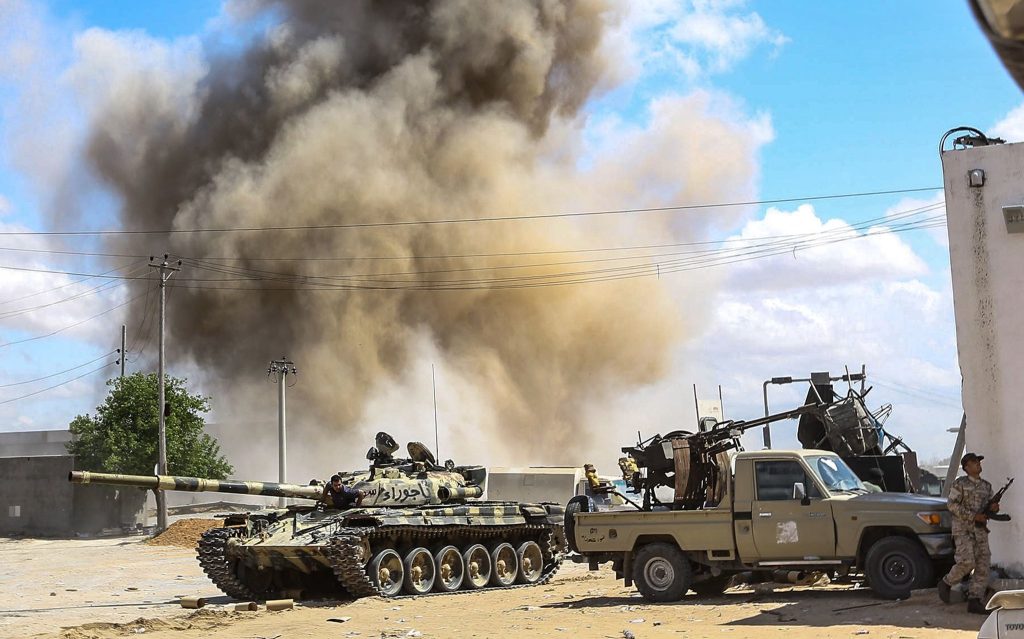
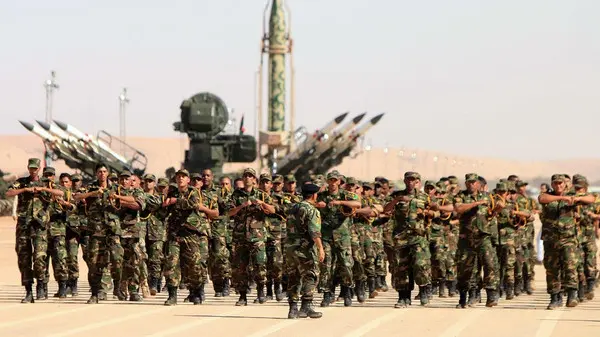
The LNA remains one of the most influential military actors in Libya. It controls large parts of eastern Libya and maintains a presence in strategic southern areas. Its role extends beyond military operations. It shapes political negotiations, influences economic structures, and affects national level decision making.
Any change in how external actors engage with the LNA therefore carries wider implications. It can alter negotiation dynamics between eastern and western authorities. It can also affect how future political arrangements take shape.
Recent political maneuvering in Libya reflects this reality. Competing visions for the country’s future continue to emerge, with different actors seeking to expand their influence within a fragmented system.
In this context, engagement with the LNA becomes less about endorsement and more about managing an existing power structure.
A Strategic Recalibration, Not a Realignment
The idea that the LNA is “drifting westwards” should be understood carefully. It does not suggest a clear ideological shift or a move toward alignment with western Libyan authorities. Instead, it points to a recalibration of external relationships.
The LNA has shown an ability to adapt to changing geopolitical conditions. It has diversified its external partnerships and adjusted its positioning to remain relevant in evolving diplomatic frameworks.
This flexibility reflects a broader pattern in Libya’s conflict. Armed and political actors rarely follow fixed alignments. They respond to shifts in external support, economic conditions, and internal pressures.
The current phase suggests that the LNA is seeking to expand its diplomatic space rather than redefine its core position.
Implications for Libya’s Political Process
A more engaged LNA could affect Libya’s political process in several ways. First, it could open space for renewed negotiations. External actors may find it easier to bring eastern and western stakeholders into dialogue if they engage all major power centers.
Second, it could reshape expectations around political settlement. Instead of a model that seeks to marginalize certain actors, the emerging approach may favor inclusion and power sharing.
This does not guarantee progress. Libya’s political system remains fragmented, and competing interests continue to limit consensus. However, a more balanced external approach could reduce some of the barriers that have previously stalled negotiations.
At the same time, engagement carries risks. If not managed carefully, it could reinforce existing power structures without addressing underlying governance challenges.
Security Implications: Stability Through Balance
The evolving posture of the LNA also has implications for Libya’s security environment. A more coordinated external approach could reduce the risk of escalation driven by competing international agendas.
In earlier phases of the conflict, external rivalry often translated into local confrontation. Different Libyan actors relied on different international backers, which increased the likelihood of escalation.
A shift toward engagement across the board may support a more stable balance. Instead of fueling competition, external actors may focus on managing existing dynamics and preventing conflict.
This does not eliminate security risks. Armed groups, local rivalries, and regional pressures will continue to shape Libya’s landscape. However, reduced external friction can create a more predictable environment.
Limits and Uncertainties
Despite these developments, several constraints remain. Libya’s internal divisions continue to shape outcomes more than external engagement. Political fragmentation, institutional competition, and localized power structures limit the impact of diplomatic shifts.
There is also uncertainty about how consistent this new approach will be. External actors may adjust their positions in response to changing priorities, which could reintroduce volatility.
Moreover, engagement does not necessarily lead to integration. The LNA’s relationship with other Libyan actors remains defined by competition as much as coordination.
Analytical Outlook
The emerging shift in how the Libyan National Army is perceived and engaged reflects a broader evolution in Libya’s political environment. External actors appear to be moving away from exclusion and toward managed engagement with all major power centers.
This does not resolve Libya’s underlying challenges. It does, however, suggest a more pragmatic framework for dealing with them. Stability may increasingly depend on balancing relationships rather than reshaping them entirely.
The key question is whether this approach can support meaningful progress. If engagement leads to more inclusive political arrangements and reduced external competition, it could create space for gradual stabilization.