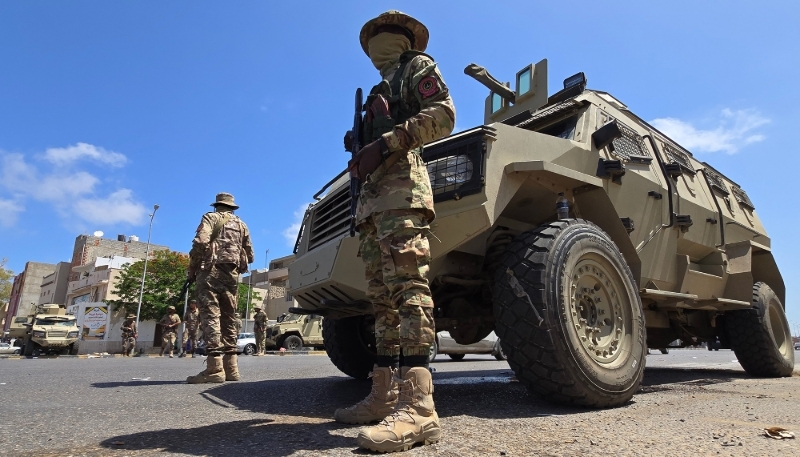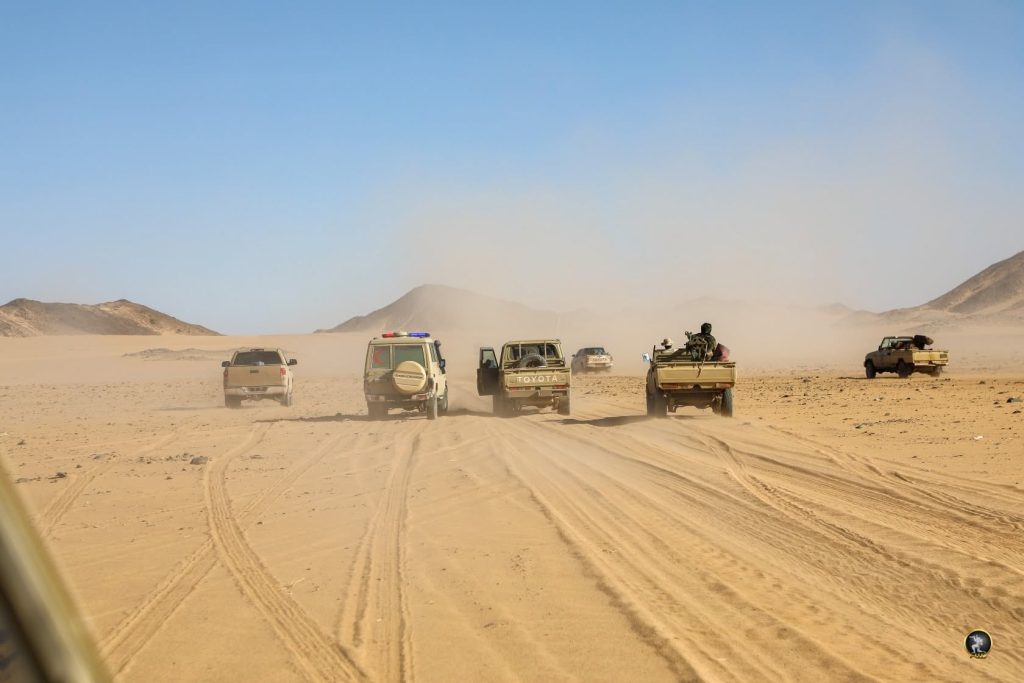
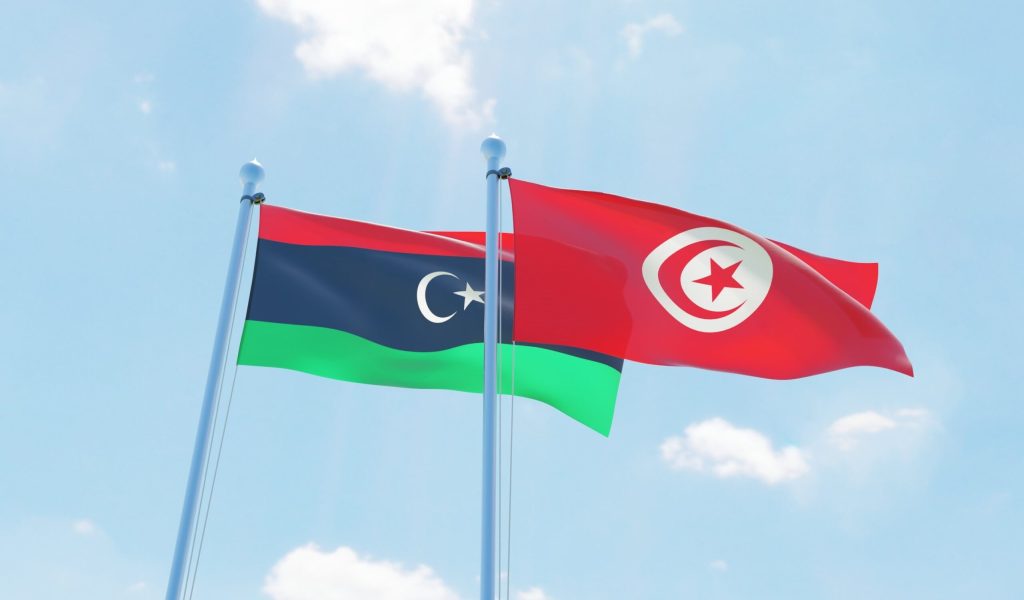
Tunisia and Libya have moved to strengthen coordination along their shared border, with officials in mid March 2026 announcing new measures on border management, cross border crime, and movement through key crossings. On the surface, the initiative looks technical. In practice, it may point to something broader: a more pragmatic form of regional cooperation at a time when Libya’s wider political process remains uncertain.
A Border Shaped by Security and Trade
For both countries, the border is more than a security line. It is an economic artery, a transit space, and a recurring point of political tension. Trade supports local communities on both sides, but smuggling and weak oversight have long complicated efforts to manage the frontier effectively. Libya’s internal fragmentation has made consistent policy difficult, while Tunisia has faced its own economic and security pressures.
The recent push for coordination suggests a more deliberate effort to manage this space through institutions rather than ad hoc responses. Officials have focused on cooperation between border agencies, tighter oversight, and smoother legal movement. That matters because border governance in this context depends on balance. States need to address illicit activity without cutting off the economic flows that local communities rely on.
A Practical Security Approach
For Libya, stronger coordination with Tunisia also carries a wider security value. Weak border control has long enabled trafficking, informal trade networks, and armed mobility. Most attention often falls on Libya’s southern frontier, but the western border also shapes domestic stability. Better coordination with Tunisia could help narrow the operating space for cross border criminal networks while reinforcing the role of formal institutions.
That gives the initiative a significance beyond administration. It suggests that Libya can still pursue limited but meaningful state to state cooperation even without a full national political settlement. In that sense, border management becomes a form of confidence building. It creates a channel for practical engagement, builds habits of coordination, and reduces friction in an area where both countries share clear interests.
A Practical Security Approach
For Libya, stronger coordination with Tunisia also carries a wider security value. Weak border control has long enabled trafficking, informal trade networks, and armed mobility. Most attention often falls on Libya’s southern frontier, but the western border also shapes domestic stability. Better coordination with Tunisia could help narrow the operating space for cross border criminal networks while reinforcing the role of formal institutions.
That gives the initiative a significance beyond administration. It suggests that Libya can still pursue limited but meaningful state to state cooperation even without a full national political settlement. In that sense, border management becomes a form of confidence building. It creates a channel for practical engagement, builds habits of coordination, and reduces friction in an area where both countries share clear interests.
Why Tunisia Also Has a Stake
Tunisia also has strong reasons to invest in this process. Stability in western Libya affects Tunisian trade, local border economies, and broader security planning. A more predictable border helps Tunisian authorities manage risk while preserving economic ties that remain important to communities on both sides.
This makes the current initiative more than a one sided Libyan effort. It reflects a shared calculation that structured cooperation offers better results than reactive crisis management.
The Limits on Implementation
Still, the limits are clear. Libya’s internal divisions continue to constrain implementation. Agreements at the political level do not always translate smoothly into practice, especially in areas where local actors retain significant influence. Border policy in this region does not depend only on ministries and security agencies. Traders, transport networks, and border communities shape outcomes every day.
That is why enforcement alone will not be enough. Any durable approach must account for local economic realities. If tighter controls disrupt livelihoods without creating alternatives, authorities may generate new tensions instead of reducing them. The more sustainable path lies in combining oversight with support for legal trade and predictable crossing procedures.
An Incremental Path to Confidence Building
The broader value of Tunisia–Libya cooperation lies in its incremental nature. Libya’s transition has often revolved around large political formulas that prove difficult to implement. Border coordination offers something more modest but potentially more durable. It focuses on shared interests, produces visible outcomes, and can build trust without waiting for a full political breakthrough.
Analytical Outlook
The recent Tunisia–Libya border initiative reflects a practical shift in how stability may be built. Instead of relying only on top level political deals, both countries are investing in targeted cooperation that can reduce risk and strengthen institutional ties.
This will not solve Libya’s internal fragmentation. But it may show that gradual coordination still matters. If sustained, border management could become more than a technical exercise. It could serve as a small but meaningful foundation for wider regional confidence building.