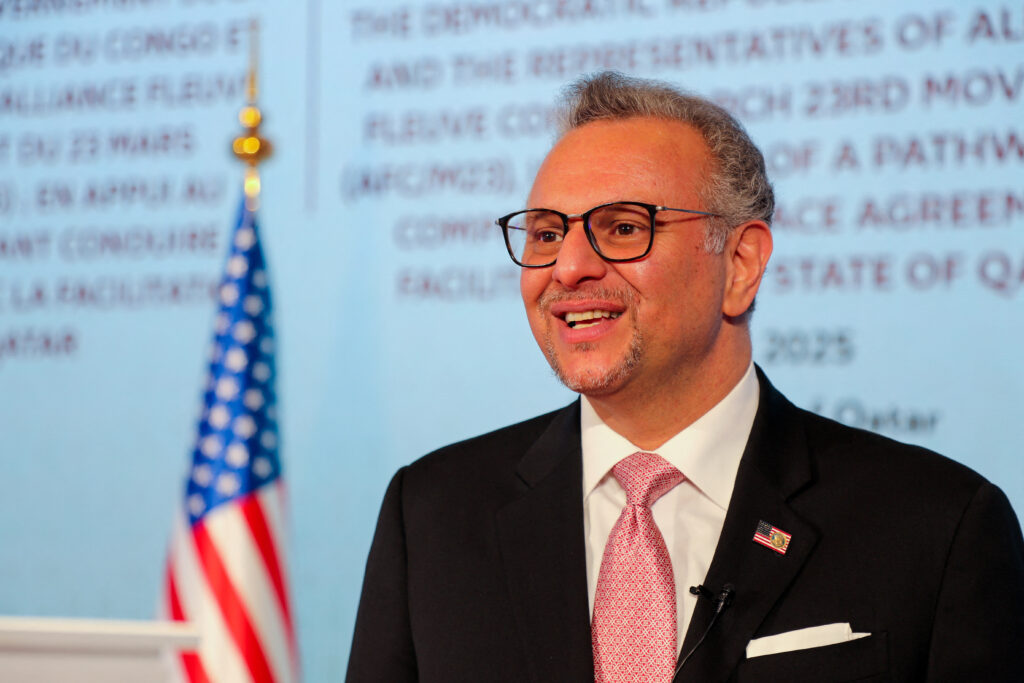
Senior US adviser Massad Boulos recently said Libya has made “significant progress” toward unifying its military, economic, and political institutions, alongside steps toward national elections. His remarks come amid renewed diplomatic activity around Libya’s long-delayed transition process and growing international emphasis on institutional coordination.
Boulos highlighted recent developments such as the approval of Libya’s first unified national budget in over a decade and expanded cooperation between eastern and western political actors. He also pointed to joint participation in international military exercises as evidence of improving coordination between rival security structures.
These statements reflect a broader shift in international messaging. External actors now frame Libya’s crisis less as a breakdown and more as a slow convergence between fragmented institutions. Yet the gap between political rhetoric and structural reality remains wide.
Institutional Unity Still Faces Structural Limits
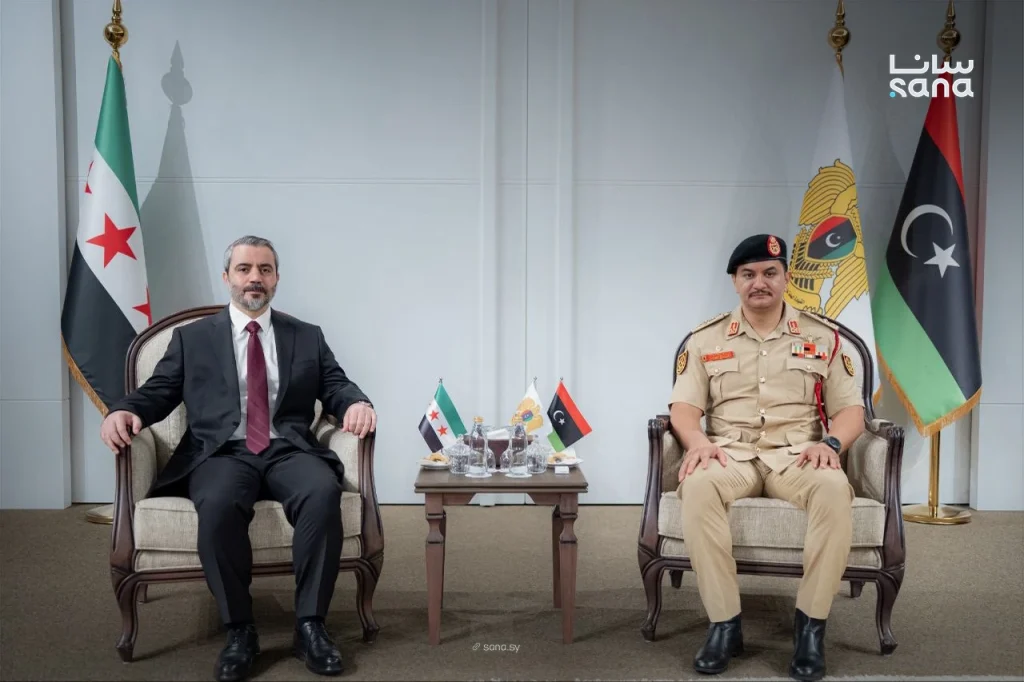
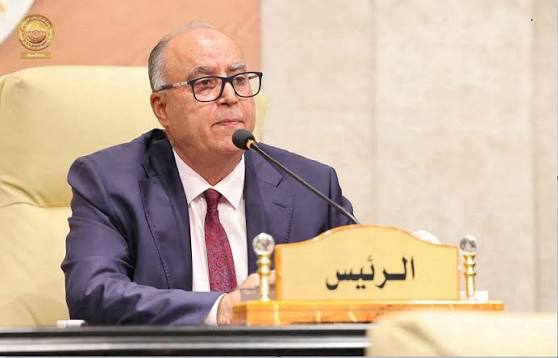
Libya still operates through competing power centers. The Government of National Unity in Tripoli controls parts of the west. The House of Representatives in the east maintains parallel legislative authority. Military structures also remain divided between rival command networks.
Recent progress in budgeting and coordination does not erase these divisions. Instead, it highlights a pragmatic trend: rival institutions cooperate when mutual financial or political interests align.
This cooperation does not yet equal integration.
Security Fragmentation Remains the Core Challenge
The military file remains the most sensitive component of Libya’s transition. Armed groups still operate under fragmented command structures across the west, east, and south. Many of these groups tie directly to local economies, border control, and state payroll systems.
Even when political leaders agree on national frameworks, implementation depends on these armed actors. That creates a structural bottleneck. Institutional unification cannot advance faster than security sector alignment.
Elections Depend on Institutional Convergence
International stakeholders continue to link institutional unity with elections. Boulos reaffirmed support for a Libyan-led electoral roadmap under UN coordination.
However, Libya’s electoral process still faces three core obstacles:
- Disagreement over constitutional and legal frameworks
- Competing claims of legitimacy between eastern and western institutions
- Lack of unified security conditions for nationwide voting
Without resolution on these issues, elections remain a goal rather than a timeline.
External Support Shapes the Process
International actors continue to play a central role in shaping Libya’s transition. The United States, United Nations, and regional partners all support institutional unification as a prerequisite for elections.
This external alignment creates momentum, but also raises a familiar question in Libya’s political debate: whether progress reflects domestic consensus or externally driven convergence.
Conclusion: Progress Without Consolidation
Libya shows measurable progress in coordination, especially on fiscal and diplomatic tracks. However, institutional unification remains incomplete and uneven.
Boulos’ remarks capture the current phase accurately: Libya moves forward, but in parallel lanes rather than a single path.
Until security structures, political legitimacy, and economic governance fully align, unification will remain a process, not a result.