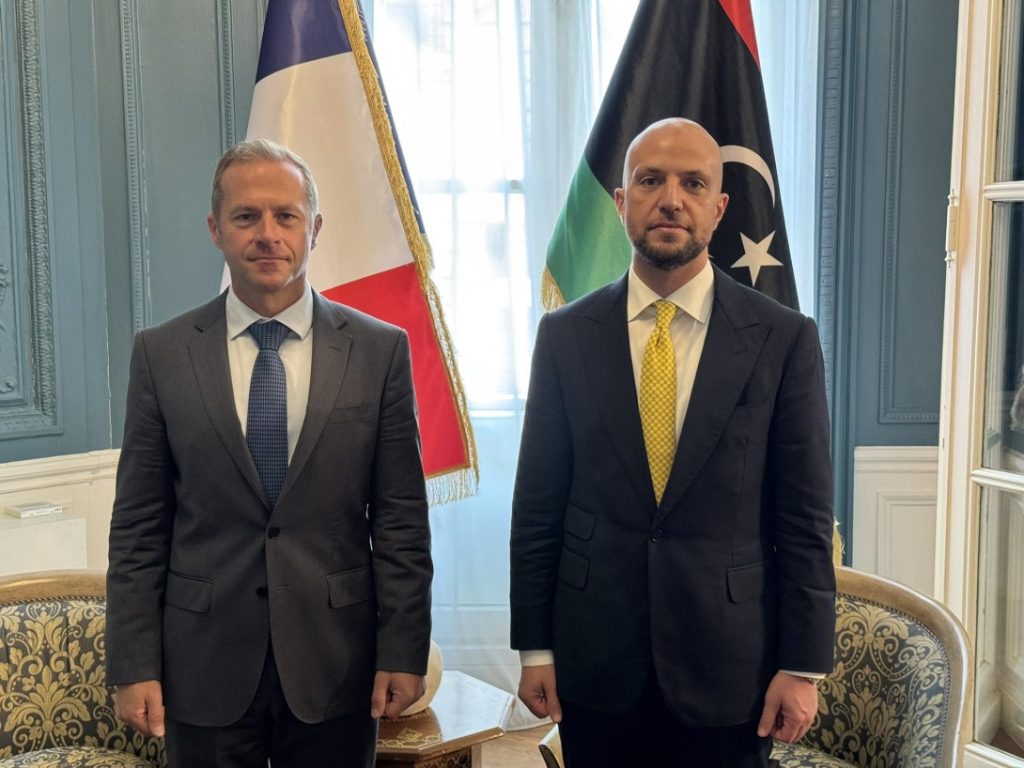
Libya’s political process continues to move through a phase defined more by diplomatic engagement than by institutional progress. Recent discussions between Libyan and French officials reflect this reality clearly. The talks focused on developments in Libya’s political landscape and ongoing efforts to advance a stalled transition.
France’s engagement signals continuity rather than change. Paris maintains its role as an active external actor in Libya’s political file, particularly at moments when domestic institutions struggle to agree on a unified roadmap. The timing of these discussions matters, as Libya still lacks a consolidated electoral framework and continues to operate under divided executive and legislative structures.
This environment keeps external diplomacy relevant. It also underscores how far Libya remains from a self-sustaining political settlement.
France’s Evolving Role in Libya’s Political Landscape
France continues to play a steady but carefully calibrated role in Libya’s political process. Over the past decade, its position has shifted in response to changes on the ground, regional dynamics, and European coordination efforts. Today, French engagement emphasizes structured dialogue and institutional stabilization rather than direct political alignment with any single Libyan actor.
In recent discussions, French officials reaffirmed support for a Libyan-led political process. This framing reflects a broader diplomatic strategy that prioritizes engagement with multiple stakeholders while avoiding overt positioning in internal rivalries. France now presents itself as a facilitator of convergence rather than a primary broker of outcomes.
This approach reflects practical constraints as much as strategic preference. Libya’s political environment remains fragmented, with competing authorities, unresolved constitutional questions, and limited institutional cohesion. In this context, France’s role focuses on maintaining dialogue channels and supporting incremental progress rather than driving comprehensive settlement frameworks.
France also maintains long-term interests that shape its engagement. Mediterranean security, migration dynamics, and regional stability remain central considerations. Libya sits at the intersection of these priorities, which ensures continued French attention even in periods of limited political progress.
Libya’s Political Process and the Limits of External Mediation
The Libyan political process continues to face structural deadlock. Efforts to unify institutions and establish a clear electoral roadmap have repeatedly stalled. Competing political authorities, disagreements over electoral laws, and fragmented governance structures all contribute to a persistent lack of consensus.
In this environment, external actors play a consistent but limited role. France joins other international stakeholders, including the United Nations and regional partners, in encouraging dialogue and supporting political coordination. However, no external actor currently possesses the leverage required to resolve Libya’s internal divisions.
The recent Libyan–French discussions reflect this dynamic. They reaffirm ongoing engagement but do not introduce new frameworks or binding commitments. Instead, they highlight the continued reliance on diplomatic channels to manage a transition that remains internally unresolved.
This reliance on external mediation has become a defining feature of Libya’s post-2011 political trajectory. While international involvement helps sustain dialogue, it cannot replace the need for domestic agreement on core political questions.
Security Implications of Political Fragmentation
Libya’s political stagnation continues to shape its security environment in significant ways. The absence of a unified political settlement directly affects institutional cohesion, security coordination, and state capacity. These conditions create a landscape where instability persists even in periods of reduced large-scale conflict.
One of the most visible consequences is the fragmentation of security institutions. Multiple authorities continue to oversee different security structures across the country. This division limits coordination, weakens central command systems, and complicates efforts to establish unified national security governance.
Local power networks also remain influential in many areas. In the absence of strong central authority, armed groups continue to play roles in security provision, local governance, and economic activity. Their presence reflects not only security gaps but also the broader political fragmentation that defines the current system.
Economic stability also remains closely linked to political conditions. Divided institutions and competing governance structures affect fiscal planning, resource distribution, and national policy coherence. These pressures increase vulnerability within public services and reduce the state’s ability to implement consistent economic reforms.
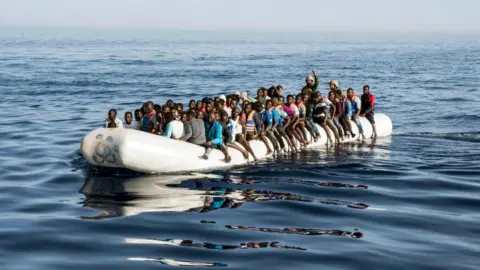
At the regional level, Libya’s instability continues to carry cross-border implications. Migration flows, smuggling networks, and security spillovers all remain linked to internal political and institutional weakness. These factors ensure that Libya’s internal dynamics remain a concern beyond its borders.
Broader Diplomatic Context and Outlook
France’s role in Libya sits within a wider international diplomatic landscape that includes the United Nations Support Mission in Libya and various regional and European stakeholders. Each actor brings a different emphasis to the political process, ranging from electoral planning to security coordination and economic reform.
However, coordination among these actors remains uneven. While diplomatic engagement continues across multiple tracks, there is no single unified framework that can fully align international efforts. This fragmentation mirrors Libya’s own internal divisions and limits the effectiveness of external mediation.
The recent talks between Libyan and French officials therefore reflect a broader pattern rather than an isolated development. They reinforce ongoing diplomatic engagement without altering the underlying structure of the political process.
France’s approach remains focused on maintaining dialogue, encouraging institutional cooperation, and supporting gradual stabilization. This strategy reflects both the constraints of Libya’s internal divisions and the broader limits of external influence in complex transition environments.
The outlook for Libya’s political process remains largely unchanged. Institutional fragmentation persists, electoral timelines remain undefined, and political consensus remains out of reach. In this context, external diplomatic engagement continues to play a stabilizing role, even if it does not deliver immediate breakthroughs.
Conclusion: Managed Diplomacy in an Unresolved Transition
Libya’s engagement with France highlights a consistent pattern in its post-conflict political trajectory. External diplomatic involvement remains active, structured, and sustained, yet it operates within a system that has not yet achieved internal cohesion.
France’s current role reflects this balance. It supports dialogue, encourages coordination, and maintains strategic interest in Libya’s stability. However, it does not function as a driver of decisive political transformation.
The core challenge remains internal. Until Libya develops a unified institutional framework and a clear political roadmap, external actors will continue to manage rather than resolve the transition. The latest Libyan–French talks reinforce this reality, highlighting both the persistence of diplomatic engagement and the enduring limits of external influence.