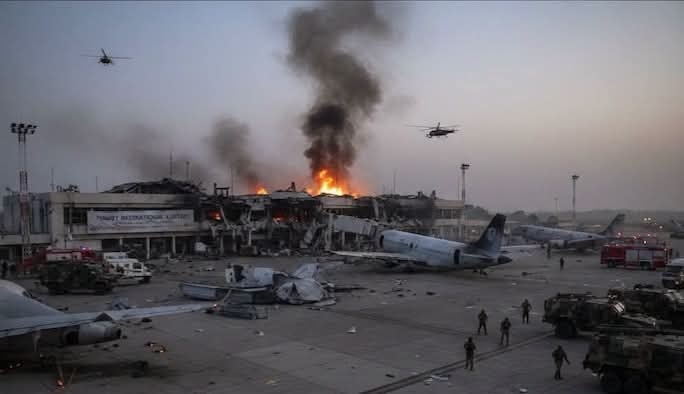
Gunmen attacked Diori Hamani International Airport in Niger’s capital Niamey on June 18, 2026. The assault killed 11 security personnel and two civilians. Nigerien forces killed 22 attackers and arrested around 20 suspects, according to official statements.
The attack marked the second major strike on the same airport this year. It also followed an earlier assault claimed by Islamic State-linked militants. The latest operation has not received an official claim, but regional analysts point to both Islamic State Sahel Province and al-Qaeda-linked JNIM as potential actors.
The airport serves as a dual-use facility. It hosts civilian air traffic and a military airbase. It also functions as a coordination hub for Niger’s joint military force with Burkina Faso and Mali. That status turns it into a high-value target for jihadist groups seeking strategic disruption.
The attack shows a clear shift in militant strategy. Armed groups now target capital cities and critical infrastructure instead of remote rural zones. This shift raises the threat level across the Sahel region.
Jihadist Groups Expand Urban Reach Beyond Rural Strongholds
The Sahel insurgency once concentrated in borderlands and rural regions. That pattern now changes rapidly. Groups such as JNIM and Islamic State affiliates expand operations into urban centers, including national capitals.
The Niger airport attack confirms this trend. Militants breached a highly secured zone inside Niamey. They coordinated fire and explosions close to military infrastructure. That level of access demonstrates growing operational confidence.
Analysts link this shift to competition between rival extremist networks. JNIM, aligned with al-Qaeda, competes with Islamic State factions for influence across Niger, Mali, and Burkina Faso. That competition drives escalation in both scale and complexity of attacks.
Urban targeting also increases political pressure on Sahel governments. Capital city attacks directly challenge regime legitimacy. They also expose weaknesses in security coordination and intelligence systems.
The Niger case shows that insurgent groups now test state control in its most sensitive locations. Airports, military bases, and logistics hubs become primary targets.
Niger’s Strategic Position Raises Regional Risk Exposure
Niger sits at the center of the Sahel conflict zone. It borders Mali, Burkina Faso, Libya, Algeria, and Nigeria. That position makes it a transit corridor for weapons, fighters, and illicit trade routes.
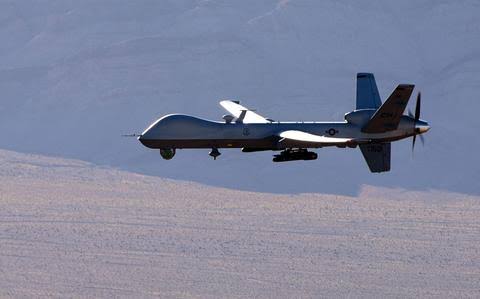
The Niamey airport holds strategic military importance. It supports drone operations and regional counterterrorism coordination. It also hosts infrastructure linked to the Alliance of Sahel States (AES), formed by Niger, Mali, and Burkina Faso.
That alliance already faces severe pressure from insurgent groups. The airport attack directly targets that cooperation model. Militants aim to disrupt coordination between junta-led governments.
The timing of the attack also matters. Niger continues its political and military realignment after the 2023 coup. The government reduced Western military partnerships and expanded ties with alternative security partners. This transition created gaps in intelligence sharing and operational continuity.
Insurgent groups exploit those gaps. They test new operational windows created by shifting alliances and reduced external support coordination.
The repeated targeting of Niamey airport shows that militants now treat the capital as an active battlefield, not a protected zone.
Sahel Fragmentation Fuels Escalation of Violence
The wider Sahel region faces structural fragmentation. Mali, Burkina Faso, and Niger all operate under military governments. Each state prioritizes sovereignty narratives and regional security independence.
This fragmentation weakens coordinated counterinsurgency strategy. Militants exploit jurisdictional limits and inconsistent intelligence flows between borders.
JNIM and Islamic State affiliates also benefit from competition between states. Each group expands into vacuums created by weak governance and overstretched security forces.
Violence also spreads beyond core Sahel states. Armed groups now push toward coastal West Africa, including Benin, Togo, and Côte d’Ivoire. That expansion creates a multi-theatre insurgency.
The Niger airport attack highlights this broader transformation. Militants no longer focus on territorial control alone. They aim to destabilize state functions, disrupt logistics, and undermine regional alliances.
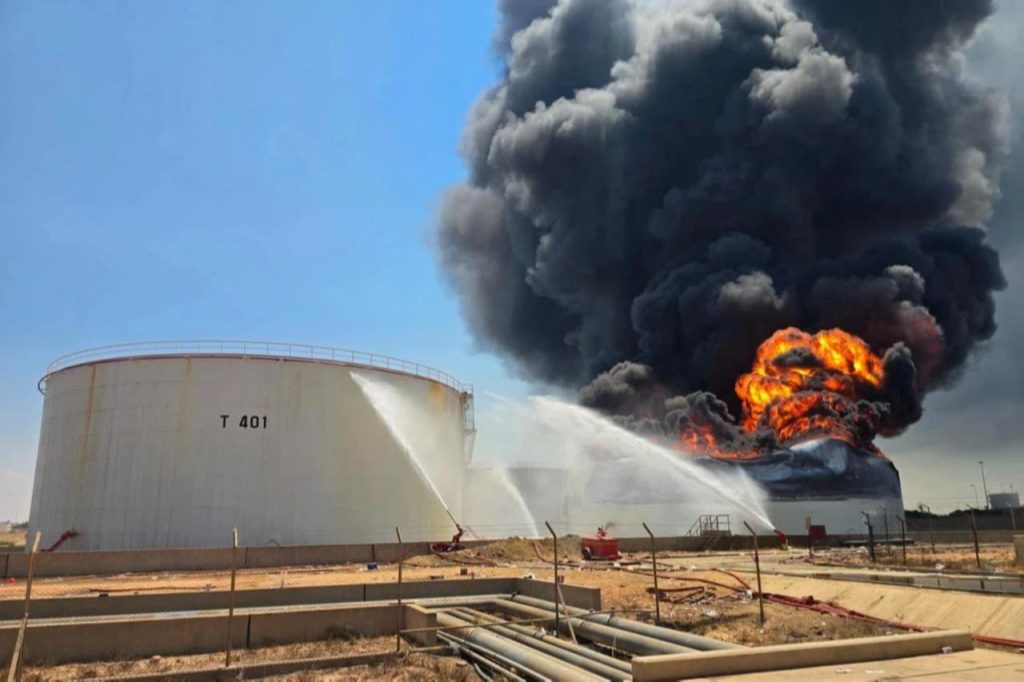
This shift increases the risk of long-term instability across West Africa. It also raises the probability of repeated attacks on infrastructure nodes such as airports, energy facilities, and border posts.
Consequences for Regional Security and Global Stakeholders
The Niger attack carries direct implications for regional and international security policy.
First, it signals that Sahel capitals no longer remain safe zones. Governments must now defend urban centers with the same intensity as frontier regions.
Second, it forces a reassessment of counterterrorism models. Traditional rural-focused military campaigns no longer match insurgent behavior. Urban intelligence capacity now becomes critical.
Third, it increases risk for international logistics and aviation routes. Airports in Niamey, Bamako, and Ouagadougou now face elevated threat profiles. That affects humanitarian operations, diplomatic travel, and military logistics.
Fourth, it intensifies geopolitical competition. Russia, Western states, and regional alliances all compete for influence in Sahel security architecture. Militants exploit these divisions to expand operational space.
Finally, the attack signals a long-term shift toward persistent low-level urban warfare. The Sahel no longer faces isolated insurgency pockets. It now faces a distributed conflict system that spans cities, borders, and transport corridors.
Analytical Outlook: A Region Entering a New Security Phase
The Niger airport attack marks more than a tactical strike. It reflects a strategic evolution in Sahel militancy.
Jihadist groups now prioritize visibility, disruption, and psychological impact. Airports deliver all three. They combine civilian presence, military infrastructure, and symbolic state power.
The Sahel region now enters a phase where insurgent groups test state resilience in real time. Governments respond with force, but structural fragmentation limits long-term containment.
Without improved intelligence coordination, urban security investment, and cross-border cooperation, similar attacks will repeat. The Niger incident likely represents not an exception, but a pattern in development.