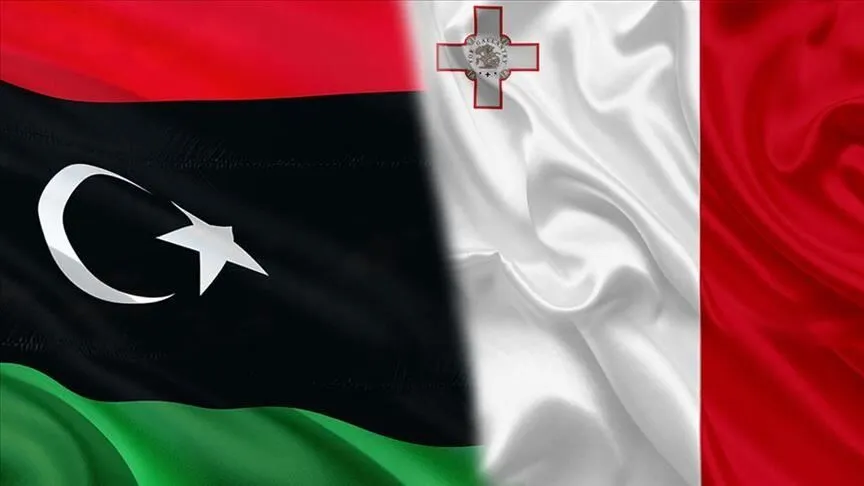
Libya and Malta have renewed high-level discussions on illegal migration and energy cooperation, highlighting how security and economic interests continue to shape relations across the Central Mediterranean. While the meeting focused on practical cooperation, it also reflected broader European efforts to strengthen coordination with Libya as migration flows rise again and energy security remains a strategic priority.
The meeting brought together Libyan National Security Adviser Ibrahim Dbeibah, Minister of State for Communication and Political Affairs Walid Al-Lafi, and Malta’s Foreign Minister Chris Fearne. The officials reviewed joint efforts against illegal migration while discussing cooperation projects in the energy sector.
For Libya, the discussions extend beyond bilateral diplomacy. They reinforce Tripoli’s role as a critical security partner for Europe at a time when migration, border management and regional stability have become increasingly interconnected.
Migration Cooperation Moves Back to the Top of the Agenda
Migration remains the defining issue in Libya-Malta relations.
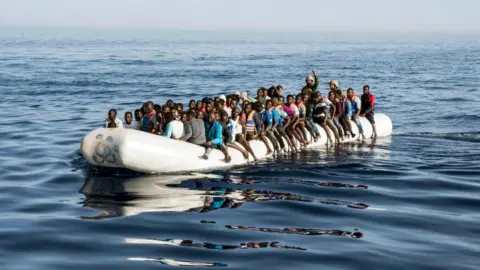
Malta sits on one of the European Union’s frontline migration routes. Libya remains the main departure point for thousands of migrants attempting to cross the Central Mediterranean each year. Any increase in departures quickly becomes a political issue in Valletta, Rome and Brussels.
Recent diplomatic activity suggests European governments want stronger operational coordination with Libyan authorities rather than relying solely on EU institutions. In recent days, Libyan officials also participated in migration discussions in Brussels, demonstrating that Tripoli continues to engage directly with European partners on border security.
For Libya, these engagements provide an opportunity to strengthen security cooperation while increasing international support for border management, intelligence sharing and efforts against human trafficking networks.
The discussions also come after several deadly incidents off Libya’s coast this year, underscoring that migration remains both a humanitarian and national security challenge. Criminal networks continue to exploit instability along Libya’s vast southern borders before moving migrants toward the Mediterranean coastline.
Malta therefore views cooperation with Libya as an essential element of its national security strategy rather than simply an immigration issue.
Energy Adds a Strategic Dimension
Energy featured prominently alongside migration during the discussions.
At first glance, security and energy appear to represent separate policy areas. In reality, they increasingly reinforce one another across the Mediterranean.
Libya continues to expand oil and gas production while attracting renewed international investment. European countries also seek to diversify energy supplies following years of geopolitical disruption.
For Malta, closer energy cooperation offers economic opportunities while strengthening its relationship with one of North Africa’s largest hydrocarbon producers. Existing transport links between the two countries continue to expand, creating additional incentives for broader economic cooperation.
Energy infrastructure also carries security implications. Offshore facilities, shipping routes, ports and cross-border investments all require stable maritime conditions and effective security coordination.
As a result, migration management, maritime security and energy cooperation increasingly form part of the same strategic framework rather than separate diplomatic tracks.
Analytical Outlook
The Libya-Malta meeting reflects a wider shift in European engagement with Libya.
European governments increasingly recognize that migration cannot be addressed solely through maritime patrols or emergency responses. Long-term management depends on stronger cooperation with Libyan institutions responsible for border security, intelligence and law enforcement.
For Libya, this creates diplomatic leverage. Security cooperation has become one of Tripoli’s most valuable assets in its relationship with Europe, particularly as migration pressures remain high and regional instability continues across the Sahel.
At the same time, energy provides an additional incentive for sustained engagement. European partners have strong reasons to maintain dialogue with Libya as the country expands oil production and pursues new energy investment.
Whether these discussions produce measurable operational results will depend on implementation rather than political messaging. However, the latest meeting signals that Libya and Malta intend to deepen cooperation across multiple strategic sectors.
The combination of migration management, maritime security and energy cooperation will likely remain the foundation of bilateral relations as both countries respond to evolving challenges in the Central Mediterranean.