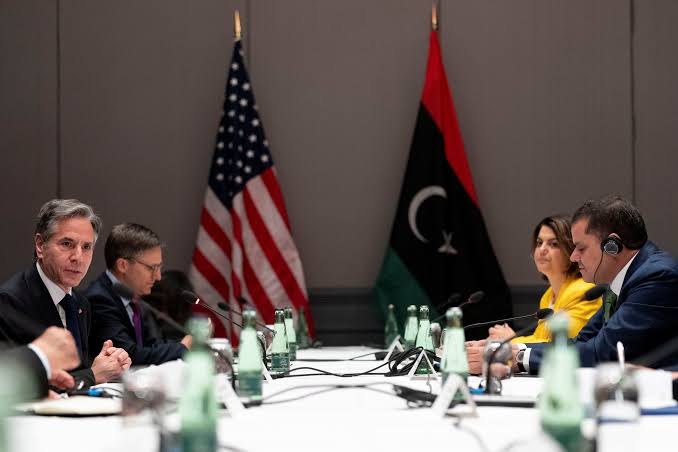
The United States has renewed its push to bring Libya’s rival security institutions closer together, placing military and security cooperation at the center of its latest diplomatic engagement with Tripoli. During talks with Prime Minister Abdulhamid Dbeibah, US Presidential Adviser for Arab and African Affairs Massad Boulos reviewed steps aimed at strengthening cooperation between eastern and western security institutions as part of broader efforts to reunify the country.
The discussions come at a sensitive moment for Libya. Political tensions have intensified in recent weeks, public protests have spread across Tripoli, and pressure continues to mount on the country’s fragmented governing institutions. Against that backdrop, Washington appears to view security cooperation as one of the few areas where measurable progress remains possible.
Although previous international initiatives have focused on elections or constitutional arrangements, the latest US engagement suggests a more pragmatic approach. Rather than waiting for a comprehensive political settlement, Washington appears to believe that gradual security integration could reduce the risk of renewed conflict while creating conditions for future political progress.
Security First Before Politics
According to statements released after the meeting, Boulos and Dbeibah discussed practical steps to advance Libya’s unification process, including stronger military and security coordination between institutions in the east and west. The talks also addressed broader efforts to stabilize the country and strengthen state institutions.
For years, Libya’s divided security landscape has remained one of the biggest obstacles to national reconciliation. Rival military commands, competing intelligence structures and fragmented chains of command have limited the authority of state institutions while creating space for local armed groups to maintain influence.
International mediation has repeatedly struggled to overcome these divisions. Political agreements often stalled because security arrangements remained unresolved, while attempts to organize elections repeatedly collapsed amid disagreements over who would guarantee security during the process.
The latest American engagement reflects growing recognition that security reform cannot remain an afterthought. Any future political agreement will require institutions capable of enforcing it across the country.
Military cooperation does not necessarily mean immediate institutional unification. Instead, it could begin with joint coordination mechanisms, intelligence sharing, border security cooperation and confidence-building measures that reduce tensions between rival forces.
A Wider US Strategy Is Emerging
The meeting between Boulos and Dbeibah did not take place in isolation. It forms part of a broader increase in American engagement across Libya.
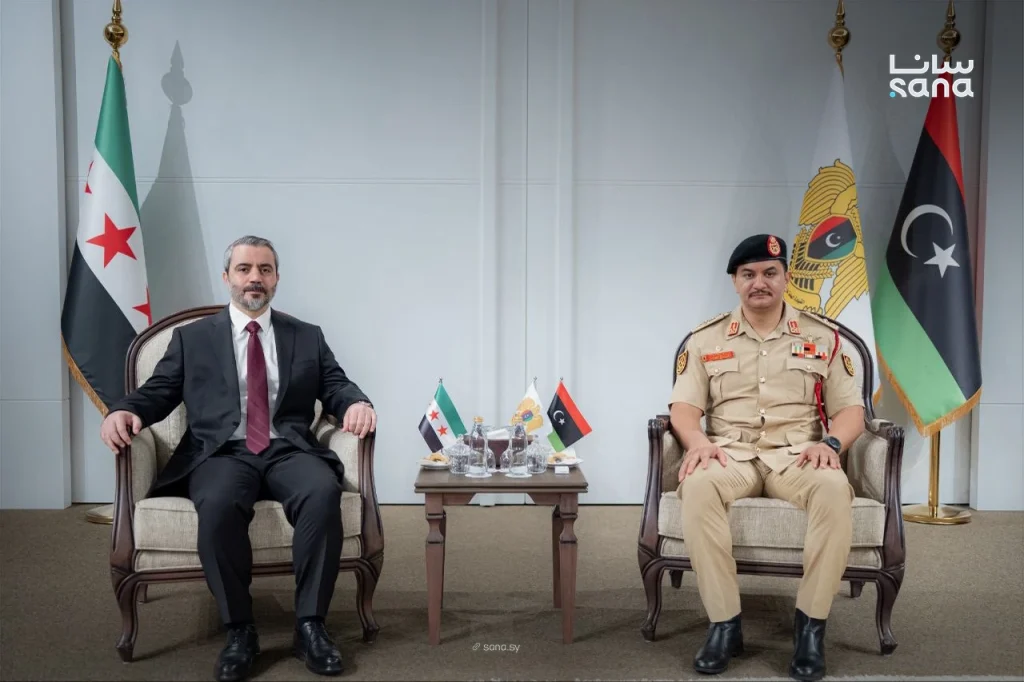
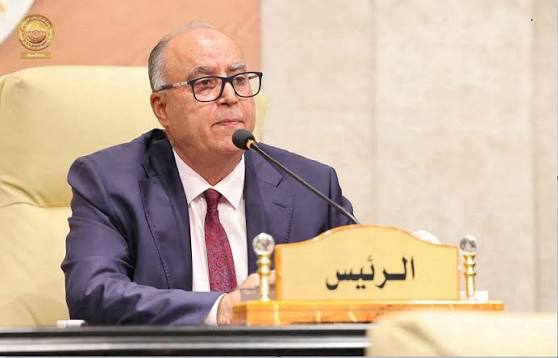
Only days after the discussions in Tripoli, a US congressional delegation met Libyan defense officials in Misrata to discuss military unification efforts and expanded defense cooperation with the United States. Those parallel meetings suggest Washington has moved beyond symbolic diplomacy and is engaging directly with multiple security actors across the country.
Earlier this month, Boulos also held discussions in Benghazi with eastern military commander Khalifa Haftar as Washington continued consultations with political and military figures from both sides of Libya’s divide. Those contacts support a broader strategy that seeks engagement rather than alignment with one camp over another.
That balanced approach reflects lessons from previous mediation efforts. Any initiative perceived as favoring one side has historically struggled to gain nationwide support. By maintaining dialogue with leaders in both eastern and western Libya, Washington hopes to build enough confidence to sustain gradual institutional cooperation.
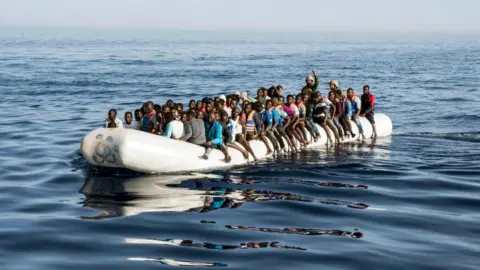
The emphasis on military coordination also reflects changing regional priorities. Western governments increasingly view Libya not only through the lens of domestic politics but also as a strategic security partner. Migration, terrorism, organized crime and instability across the Sahel have all increased the importance of a functioning Libyan security sector.
Challenges Still Stand in the Way
Despite renewed diplomatic momentum, significant obstacles remain.
Military institutions in eastern and western Libya operate under different command structures, political authorities and security alliances. Building cooperation will require more than political declarations. It will demand sustained technical engagement, confidence-building measures and agreement over sensitive issues such as command authority, force deployment and resource management.
Domestic politics also complicate the picture. Public frustration over deteriorating services, electricity shortages and economic pressures has fueled protests in Tripoli, increasing pressure on Libya’s political leadership. In such an environment, security reform may compete with more immediate domestic priorities.
At the same time, recent events have demonstrated why stronger coordination remains necessary. The rapid security response that restored operations at the Mellitah industrial complex following disruptions to gas supplies highlighted the strategic importance of protecting critical national infrastructure. Stable security institutions remain essential not only for political stability but also for safeguarding Libya’s energy sector and broader economy.
The success of the latest American initiative will therefore depend on whether dialogue evolves into practical cooperation on the ground. Previous international efforts generated political statements but delivered limited structural change.
Washington now appears to be pursuing a more incremental strategy. Rather than seeking an immediate political breakthrough, it is encouraging cooperation in areas where common interests already exist. If security institutions begin coordinating more effectively, that progress could gradually rebuild confidence between rival authorities and reduce the likelihood of renewed confrontation.
Whether that approach ultimately creates momentum for broader political reunification remains uncertain. However, the renewed American focus on military cooperation signals recognition that Libya’s path toward lasting stability may begin with security coordination before it reaches the negotiating table.