Egypt deepens diplomatic engagement
Mohammed Takala’s meeting with Egypt’s Ambassador to Libya, Tamer El-Hefny, reflects more than a routine diplomatic exchange. The discussions underline Cairo’s continuing effort to remain one of the most influential regional actors shaping Libya’s political future while maintaining working relationships with multiple Libyan institutions.
According to the High Council of State, the two sides discussed Libya’s latest political developments, efforts to narrow divisions between rival political actors, and ways to create conditions for long-delayed national elections. They also reviewed bilateral relations and explored opportunities to strengthen cooperation in areas that serve the interests of both countries and contribute to regional stability.
The timing of the meeting carries significance. Takala recently secured another term as head of the High Council of State, making him one of the key political figures involved in negotiations over Libya’s institutional future. Egypt’s decision to engage quickly with the council’s new leadership signals Cairo’s intention to maintain dialogue across Libya’s fragmented political landscape.
Egypt’s Libya policy has evolved
Egypt’s approach to Libya has changed considerably over the past several years.
During the height of Libya’s civil conflict, Cairo focused heavily on security concerns along its western border and maintained close ties with eastern Libyan authorities. Since the 2020 ceasefire, however, Egypt has expanded its diplomatic outreach and increasingly engaged with institutions in both eastern and western Libya.
That shift has become more visible throughout 2026. Egyptian officials have held meetings with Prime Minister Abdul Hamid Dbeibah, senior security officials, and now Takala, reflecting a broader strategy that seeks influence through dialogue rather than alignment with a single political camp.
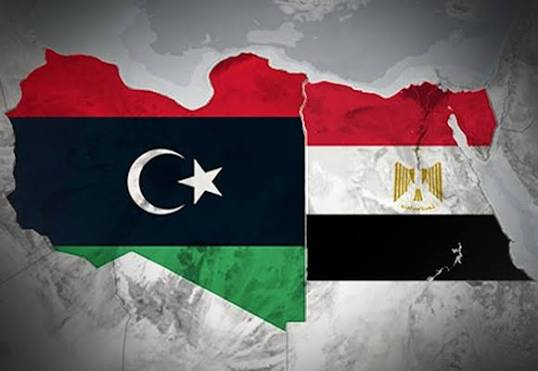
For Cairo, political stability in Libya remains directly linked to Egypt’s national security. The two countries share more than 1,100 kilometers of border, and instability inside Libya can affect cross-border security, migration, arms trafficking, and economic activity.
Elections remain Cairo’s preferred outcome
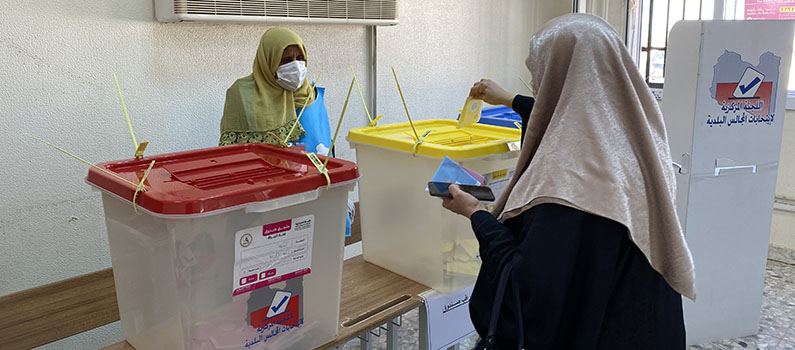
The discussions between Takala and Ambassador El-Hefny also centered on advancing Libya’s democratic process.
Egypt has repeatedly expressed support for elections as the long-term mechanism for ending Libya’s transitional period. At the same time, Cairo has stressed that political progress requires consensus among Libya’s competing institutions rather than unilateral initiatives.
This position aligns with Egypt’s broader regional diplomacy, which emphasizes preserving state institutions while encouraging negotiated political settlements. Cairo has also supported international and regional initiatives that aim to move Libya toward an agreed constitutional and electoral framework.
Although elections remain the stated objective, significant obstacles continue to delay the process. Political disagreements over the constitutional basis for voting, disputes between rival institutions, and unresolved security issues continue to complicate implementation.
Bilateral cooperation extends beyond politics
Political dialogue represents only one dimension of Egypt-Libya relations.
Economic ties between the two neighbors remain substantial despite Libya’s prolonged political crisis. Egypt views Libya as an important market for construction, infrastructure, energy cooperation, and labor opportunities. Before the conflict, hundreds of thousands of Egyptians worked in Libya, and Cairo continues to see reconstruction as a major economic opportunity.
Energy cooperation also carries growing strategic value. Libya’s expanding oil production, renewed international investment, and efforts to rebuild infrastructure complement Egypt’s ambition to strengthen its role as a regional energy hub. Stable relations between the two countries could support future cooperation in electricity, petroleum services, logistics, and cross-border trade.
At the same time, both governments share an interest in limiting illegal migration networks and improving border security, making security cooperation likely to remain a central pillar of the relationship.
Regional diplomacy enters a new phase
The meeting between Takala and Egypt’s ambassador illustrates a broader regional trend.
Rather than backing individual factions exclusively, regional powers increasingly seek to preserve influence through engagement with multiple Libyan institutions. Egypt appears determined to position itself as an indispensable diplomatic actor regardless of how Libya’s internal political process evolves.
Whether that strategy contributes to meaningful political progress will depend largely on Libya’s own leaders. Regional diplomacy can encourage dialogue, but only Libyan institutions can reach the compromises needed to unify governance and organize credible national elections.
For now, Cairo continues to signal that Libya’s stability remains a strategic priority. Its sustained engagement with political leaders across the spectrum suggests Egypt intends to play a central role in any future political settlement while protecting its own security and economic interests.