Libyan authorities deported 68 irregular migrants from Benghazi on September 16, including Egyptian, Sudanese and Yemeni nationals, in the latest operation pointing to a sustained increase in migration enforcement across eastern Libya.
The Greater Benghazi branch of the Directorate for Combating Illegal Migration carried out the three operations by air and land. Authorities deported four Yemenis and 19 Sudanese by air, while 45 Egyptians left Libya by land after officials completed the required legal procedures. The authorities said all 23 migrants deported by air had infectious diseases but did not identify the illnesses.
The operation fits a broader pattern that has emerged across Benghazi and surrounding areas in September. Eastern authorities have carried out several deportations and transfers involving migrants from Africa and Asia, with the Greater Benghazi branch playing a central role in processing cases and arranging returns.
A Growing Enforcement Campaign
The latest operation comes only days after authorities deported 169 Bangladeshi migrants through Benina International Airport on September 14. The group included people detained while attempting to cross the Mediterranean from the Libyan coast, as well as migrants described by authorities as suffering from infectious diseases. The operation took place in coordination with the International Organization for Migration and airport immigration officials.
Earlier in September, the Greater Benghazi branch also deported 56 Nigerian migrants through Benina. The group included 34 men and 22 women, with authorities reporting that some had health conditions or security restrictions.
Other operations have extended beyond Benghazi itself. On September 12, authorities in Al Bayda transferred 40 migrants to the Qanfouda detention and deportation centre in Benghazi, while 16 Egyptians left Libya through the Amsaad border crossing. The group included Bangladeshi, Sudanese, Chadian and Nigerian nationals.
Taken together, the operations show a system that relies on detention centres, transfers between migration offices, border crossings and Benina Airport to move migrants through the deportation process.
The eastern campaign also has a clear security dimension. The Greater Benghazi branch said the latest deportations form part of measures directed at reducing irregular migration and related activities, while authorities continue to regulate the legal status of foreign nationals and pursue cases involving undocumented residency. The branch operates under directives from the Libyan National Army’s General Command and the Interior Ministry, according to the authorities.
Security, Health and the Migration Route
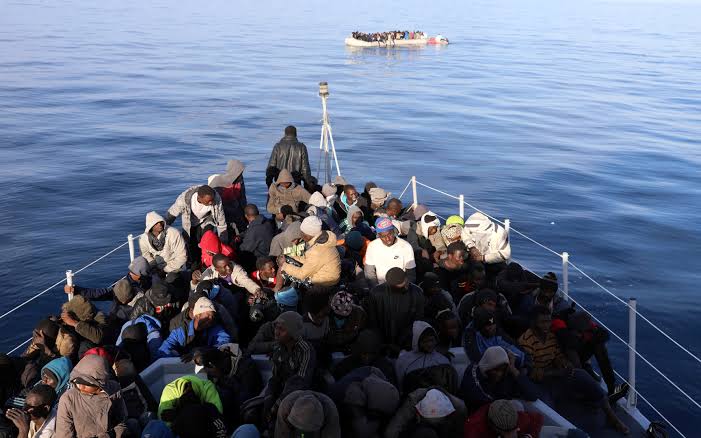
Eastern Libya occupies an important position in the country’s migration system. Benghazi and its surrounding facilities receive migrants intercepted or detained elsewhere, while the eastern coastline also connects Libya to Mediterranean routes used by people attempting to reach Europe.
The pressure on the system extends beyond deportations. A rights monitor reported this week that around 1,900 Sudanese migrants and refugees remain in detention centres across Libya, including more than 1,200 people of different nationalities at the Qanfouda centre in Benghazi. The group alleged abuse and extortion inside detention facilities, claims that authorities would need to address independently.
The health element has also appeared repeatedly in recent deportation operations. Authorities have cited migrants with infectious diseases in several cases but have not consistently identified the conditions involved. That makes the medical management of detainees an important part of the wider migration-security picture, particularly as eastern Libya increases the pace of returns.
For eastern authorities, the immediate objective remains enforcement: identifying migrants without legal status, completing administrative and security procedures, and arranging their departure. But the growing number of operations also highlights the wider challenge facing Libya as a destination, transit country and departure point for migration.
The September operations suggest that eastern Libya is placing greater emphasis on closing the gap between detention, legal processing and deportation. Whether that produces a sustained reduction in irregular migration will depend not only on enforcement inside Libya, but also on conditions in migrants’ countries of origin, border controls and the continued use of Mediterranean routes.