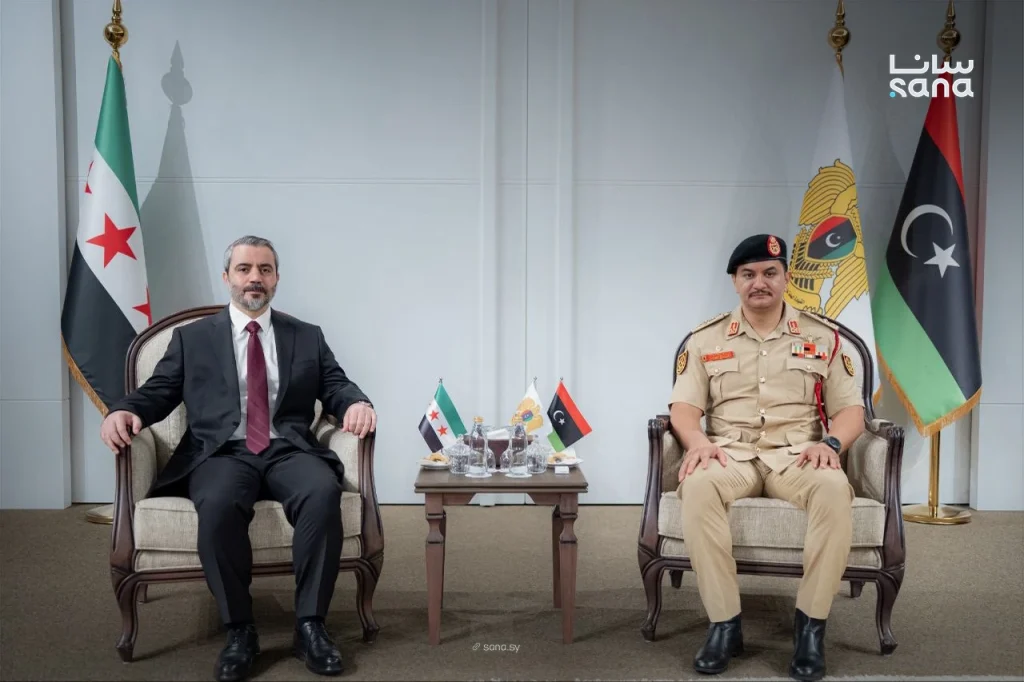
Syrian Foreign Minister Asaad al-Shaibani met eastern Libyan officials in Benghazi on October 11 to discuss the fate of missing Syrian nationals and strengthen security cooperation. The meeting brought together senior figures from Syria’s diplomatic and intelligence services with Saddam Khalifa Haftar, deputy commander of the Libyan National Army (LNA). It also included discussions on opening a Syrian consulate in Benghazi, extending Damascus’s diplomatic presence beyond the capital, Tripoli.
The talks come amid growing concern among Syrian families who have lost contact with relatives in Libya or during migration journeys across the Mediterranean. They also highlight a practical challenge for both countries: turning renewed diplomatic engagement into effective cooperation on missing-person cases, migration and security.
Families Still Await Answers on Missing Syrians
The number of missing Syrians in Libya remains unknown. According to Arab News, families of around 200 missing individuals demonstrated outside Syria’s Foreign Ministry in Damascus last month, demanding information about their relatives.
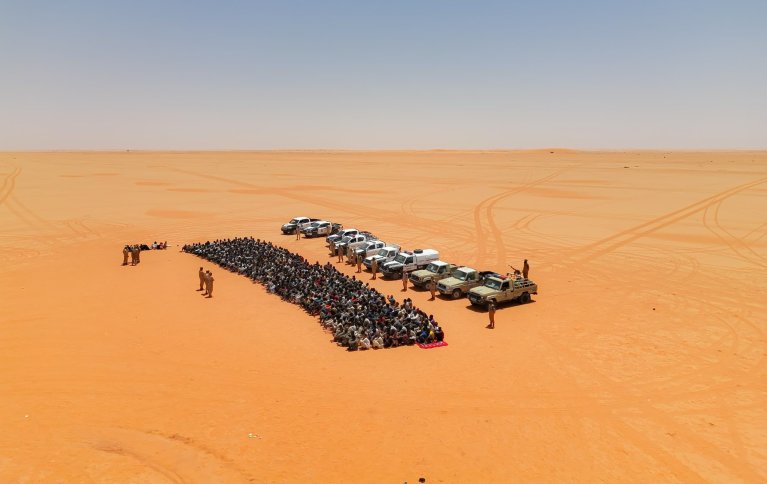
Some Syrians have attempted to reach Europe through dangerous Mediterranean migration routes, using Libya as a departure point. However, authorities have not established how many missing people attempted these crossings, where they disappeared or what happened to them. Some cases may involve people who went missing at sea, while others may concern individuals whose whereabouts remain unknown inside Libya. Officials have not publicly confirmed the circumstances of the disappearances.
The uncertainty creates a difficult burden for families and authorities alike. Investigations require reliable records, including detention registers, hospital information, reports of maritime incidents and details gathered from migration networks. Without a coordinated process for collecting and sharing such information, families may struggle to obtain credible answers.
The issue also raises broader questions about the protection of migrants in Libya. Missing-person cases do not automatically indicate trafficking or criminal involvement, but authorities need to investigate those possibilities where evidence supports them.
Damascus Expands Engagement Across Libya
Al-Shaibani’s visit reflects Syria’s efforts to rebuild its diplomatic relations with Libya following the fall of Bashar Assad’s government in December 2024.
On August 30, al-Shaibani reopened Syria’s embassy in Tripoli after more than 14 years of closure. During the Benghazi meeting, the two sides discussed opening a Syrian consulate in the eastern city, according to the Syrian Arab News Agency.
The two diplomatic moves could improve Syria’s ability to provide consular services to its nationals and maintain contact with Libyan authorities in different parts of the country. They also reflect Damascus’s need to engage with Libya’s divided political and security structures rather than rely on a single channel of communication.
Benghazi holds particular importance because Saddam Haftar occupies a senior position within the eastern military structure. His meeting with al-Shaibani, accompanied by Syrian intelligence chief Abdul Qader Tahan, placed security coordination alongside the consular issue.
However, the meetings do not establish that the two sides have agreed on a specific investigation mechanism or reached a breakthrough on missing-person cases. Neither side has publicly detailed a timetable for follow-up or disclosed new information about the missing Syrians.
Security Cooperation Needs Concrete Results
The involvement of senior intelligence officials suggests that the discussions extend beyond routine diplomatic services. Cooperation could help authorities trace missing individuals, exchange information and investigate possible links to smuggling or trafficking networks where evidence warrants it.
But diplomatic engagement alone cannot resolve the cases. Authorities need clear procedures for registering missing people, sharing information between relevant institutions and providing regular updates to families. Any investigation must also distinguish confirmed facts from unverified reports.
The next step will show whether the Benghazi meeting produces practical results. A functioning consulate could improve communication with Syrian nationals, while direct cooperation between security agencies could help investigators follow leads across institutional boundaries.
For Damascus, the visit opens another channel into Libya’s divided political landscape. For Libyan authorities, it offers an opportunity to demonstrate that cooperation can address a cross-border humanitarian concern. The measure of success, however, will not be the number of diplomatic meetings held, but whether families finally receive reliable information about their missing relatives.