The European Union’s decision to allocate an additional €25 million for migration cooperation with eastern Libya reflects a broader shift in European security policy. Brussels wants to reduce irregular migration across the Mediterranean, but its growing engagement with eastern authorities also highlights a difficult question: how can Europe strengthen border control without deepening Libya’s political and security divisions?
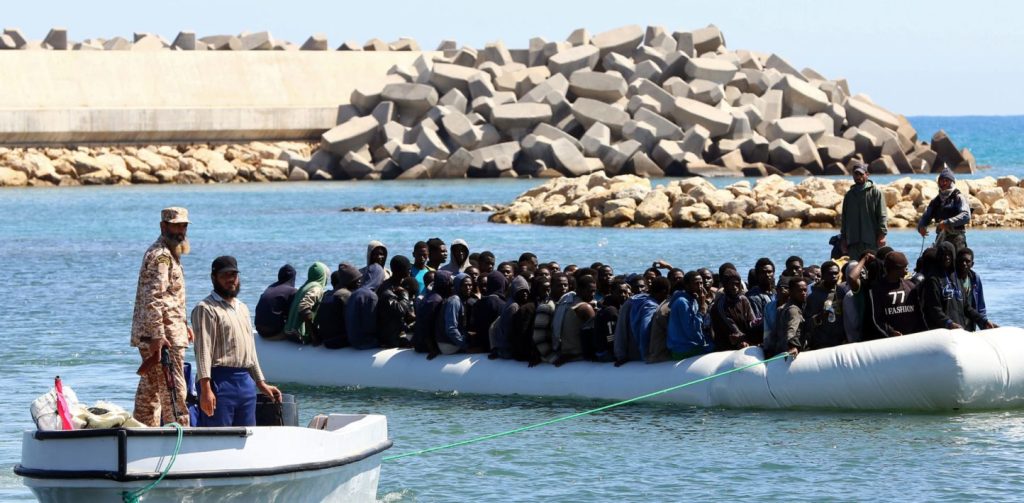
The funding will support border management, search-and-rescue operations and efforts to combat migrant smuggling, according to Reuters. The EU also plans to establish a Maritime Rescue Coordination Centre in Benghazi, giving eastern Libya a more prominent role in managing migration across the Mediterranean.
The decision builds on a wider European effort to work with the authorities and security forces that can influence migration routes on the ground. As LSB previously reported in its analysis of EU migration cooperation with eastern Libya, Brussels is expanding its engagement with eastern actors despite Libya’s divided political system. The new allocation offers a chance to examine what this approach means for European security priorities and Libya’s institutional future.
Europe Wants More Control Over Migration Routes
Libya’s divided political and security structures complicate European efforts to manage migration. The internationally recognised government operates from Tripoli, while Khalifa Haftar’s forces control much of the east and parts of the south. Cooperation with Tripoli alone cannot guarantee access to every relevant border area or migration route.
The EU’s engagement with eastern authorities addresses this operational challenge. By supporting border management and rescue coordination in the east, Brussels can expand its reach in areas that matter to its migration policy. The planned centre in Benghazi could also improve coordination around rescue operations and maritime incidents.
This approach fits a wider European strategy that seeks to prevent irregular arrivals before migrants reach EU territory. European governments want stronger border surveillance, better information exchange and closer cooperation with countries along major migration routes.
But this strategy creates a dependency. The EU needs local partners to enforce border controls, yet those partners operate within Libya’s fragmented political and security system. European officials may secure short-term cooperation without building a unified national framework for migration management.
The €25 million allocation therefore represents more than additional funding. It shows how Europe increasingly relies on local security actors to pursue its own border priorities.
The Funding Could Shift Libya’s Security Balance
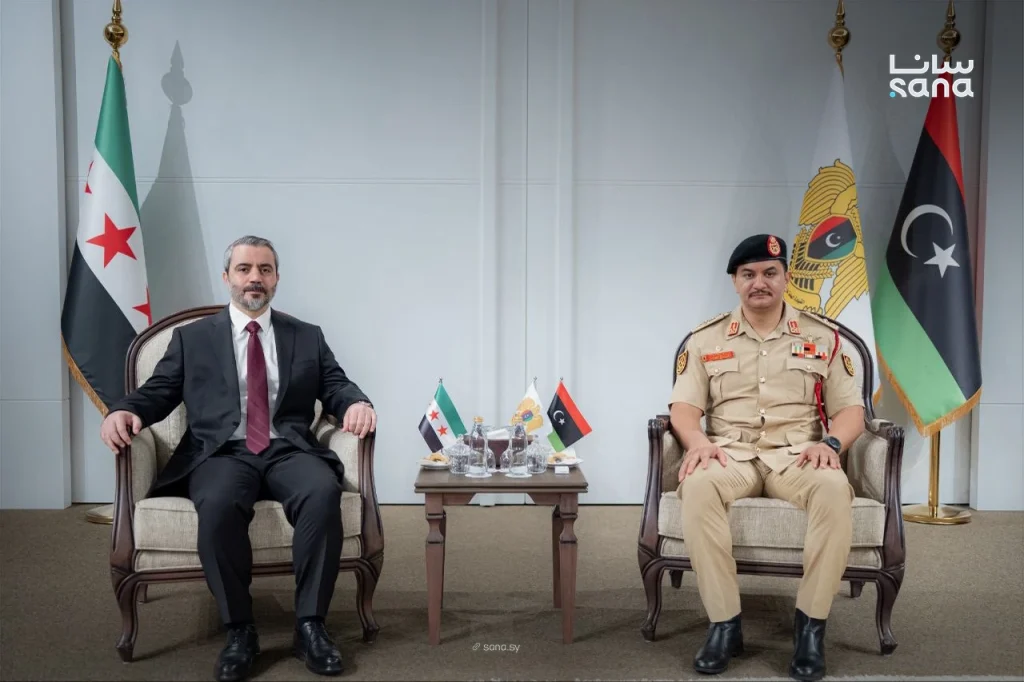
The allocation also carries political weight. The EU does not formally recognise a separate eastern government, but its cooperation with eastern security authorities gives those actors a more prominent role in an area of strategic importance to European policymakers.
This does not amount to diplomatic recognition of Haftar or the authorities aligned with him. However, direct cooperation can increase their international relevance by making them necessary partners in European security operations.
In Libya, where rival institutions compete for authority, that distinction matters. Access to foreign funding, technical support and international officials can strengthen an actor’s standing even without a formal change in diplomatic status.
The arrangement also carries risks. If the EU strengthens separate security structures without encouraging coordination between eastern and western institutions, it could reinforce parallel systems rather than support a unified national approach. Better equipment and more funding will not resolve the political disagreements that divide Libya’s security institutions.
The EU must therefore balance two objectives: working with the actors who control migration routes while avoiding arrangements that further entrench Libya’s division. That balance will prove difficult if European governments measure success mainly by the number of migrants who reach their shores.
Border Control Needs Accountability
The EU should not measure the success of its €25 million allocation by interceptions or prevented departures alone. A decline in crossings would meet one European objective, but it would not necessarily show that smuggling networks have weakened, border security has improved or migrants face fewer abuses.
The human rights record makes this distinction essential. In February 2026, the United Nations Support Mission in Libya and the UN Human Rights Office documented systematic abuses against migrants, including arbitrary detention, torture, trafficking and forced labour. Their joint report on abuses against migrants in Libya highlighted the dangers migrants face within a system that often fails to protect them.
The EU should link its support to clear safeguards, independent monitoring and transparent reporting on how authorities use the funding. It should also assess whether cooperation disrupts criminal networks, improves rescue operations and reduces abuse rather than simply shifting migration routes or preventing departures.
The €25 million allocation gives Europe a stronger operational foothold in eastern Libya, but funding alone cannot guarantee safer borders or more effective migration management. Its longer-term impact will depend on whether the EU can combine practical cooperation with accountability and support for national institutions.
For Libya, the central question is whether this partnership strengthens a coherent national security system or deepens the separation between rival authorities. For Europe, the test is whether it can manage migration without allowing short-term border control to outweigh institutional stability and the protection of migrants.