Libya’s eastern-based House of Representatives has approved the 2019 maritime agreement with Turkey, reversing its previous rejection of the deal and opening a new phase in relations between Ankara and eastern Libya. The October 20 vote could influence Libya’s political settlement, security cooperation and relations with neighbouring Mediterranean states.
Turkey and Libya’s former Government of National Accord signed the agreement in November 2019. The deal defines maritime jurisdiction areas between the two countries and supports Turkey’s claims in the eastern Mediterranean. Its approval in Benghazi brings an agreement that once divided Libya’s rival political and military camps back to the centre of regional diplomacy.
The decision does not establish a strategic alliance or resolve competing maritime claims. Its significance lies in the change it signals: eastern Libya’s political leadership has moved towards accepting a framework that Turkey considers central to its regional interests, despite years of opposition.
The 2019 Agreement and Libya’s Changing Position
Turkey and Libya signed the maritime memorandum in November 2019, when the Government of National Accord controlled Tripoli and faced a military offensive by forces led by Khalifa Haftar. Ankara supported the Tripoli government, providing military assistance that helped reverse the offensive and shape the conflict’s outcome.
Eastern Libya’s authorities opposed the agreement. In January 2020, the House of Representatives rejected the memorandums signed with Turkey and adopted a separate resolution calling for the severance of political relations with Ankara. The maritime deal consequently became part of the wider political and military divide between eastern and western Libya.
The reported October 20 vote reverses that position. Lawmakers approved the maritime memorandum and repealed the two resolutions adopted in 2020. The decision marks a significant change in eastern Libya’s approach to Ankara and could create more room for diplomatic engagement between the two sides.
The memorandum establishes claims over maritime jurisdiction, including the continental shelf and exclusive economic zones. These areas affect rights to explore and exploit offshore resources, making the agreement relevant to energy development as well as diplomacy. The United Nations Convention on the Law of the Sea provides the principal international framework for maritime zones and boundary delimitation.
For Turkey, the deal supports its position in a region where maritime boundaries, offshore gas resources and competing territorial claims shape relations between coastal states. For Libya, its potential value depends on whether the agreement can support national economic interests, withstand legal and diplomatic challenges, and command lasting domestic backing.
The parliamentary vote represents a change in political direction, but it does not settle questions about implementation, international recognition or the agreement’s practical consequences.
Turkey, Eastern Libya and the Prospects for Political Cooperation
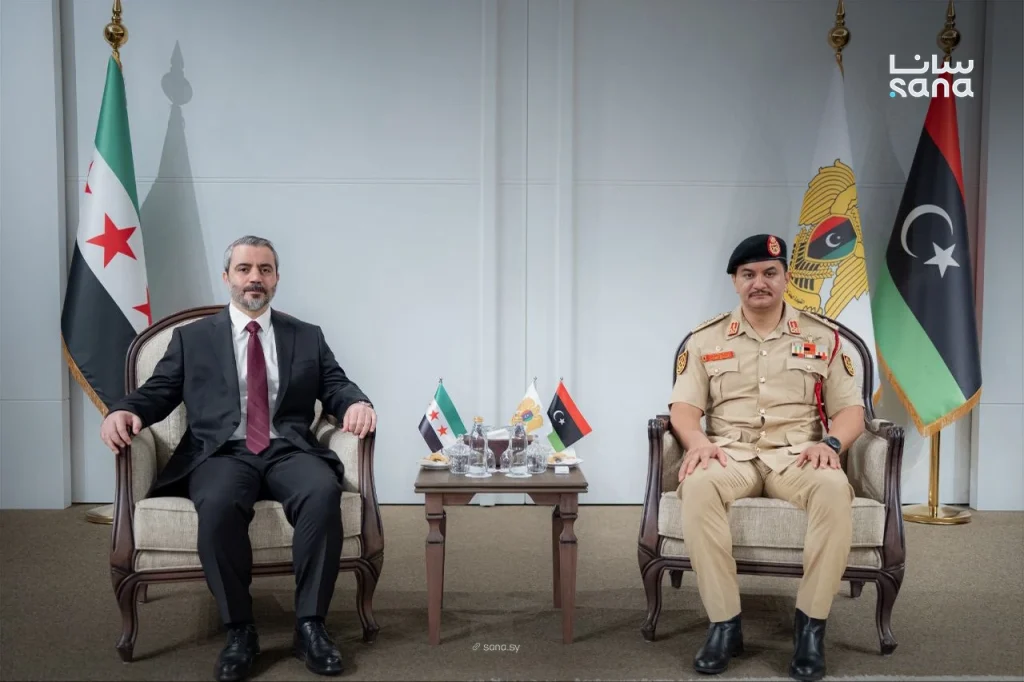
The approval also creates an opening for closer engagement between Ankara and eastern Libya. Turkey has spent years building political, economic and military influence in western Libya. Its relationship with the authorities in the east, however, has followed a different path because of its earlier support for their military opponents.
That divide has not prevented both sides from exploring common interests. Turkey seeks a stable political environment that protects its economic and strategic interests, while eastern Libya’s leadership has incentives to expand its international relationships and strengthen its role in any future national settlement.
The maritime agreement offers a concrete area of common ground. Its approval could facilitate further diplomatic contact and create opportunities to discuss trade, infrastructure, energy and security. It may also give Ankara greater scope to engage with eastern institutions without abandoning its existing relationships in western Libya.
However, a closer relationship remains a possibility rather than an established outcome. The two sides would need to address years of mistrust, competing interests and unresolved questions about Libya’s political and military structures. Turkey’s influence in western Libya and the position of the Libyan National Army in the east would remain important factors in any broader agreement.
The decision could also affect negotiations over a unified Libyan state. If Ankara develops working relationships with both eastern and western actors, it may gain more influence over efforts to reconcile rival institutions. Such engagement could support political dialogue, but it would not guarantee progress on military unification, executive authority or the distribution of state resources.
For eastern Libya, closer ties with Turkey could diversify its external partnerships. For Ankara, engagement with both sides could reduce the risks associated with relying too heavily on one political camp. Whether either side can turn this shared interest into sustained cooperation will depend on future decisions, not the maritime vote alone.
Greece, Cyprus and the Wider Mediterranean Dispute
The agreement’s consequences extend beyond Libya’s domestic politics. It sits within a wider dispute over maritime boundaries and access to offshore resources in the eastern Mediterranean, where Turkey’s claims conflict with those of Greece and Cyprus.
Greece and Cyprus have challenged the agreement, arguing that it disregards their maritime rights. Their objections reflect a longstanding disagreement over how international maritime law should apply to competing claims, particularly where islands and overlapping maritime zones affect boundary calculations.
Turkey is not a party to the United Nations Convention on the Law of the Sea, while Greece and Cyprus rely on its provisions in challenging Ankara’s position. States also disagree over how the convention’s rules apply to particular coastlines, islands and overlapping claims.
Libya’s approval does not automatically resolve these legal disputes or compel other states to accept the boundaries set out in the memorandum. Instead, it strengthens the political backing for an agreement that remains contested and could complicate relations between Libya and some of its regional partners.
The energy dimension adds another layer of importance. Offshore exploration and potential gas development depend not only on geological prospects and investment but also on regulatory certainty and the ability to manage competing maritime claims. Persistent disputes could complicate cooperation and increase political risks for companies considering projects in contested areas.
The vote therefore presents Libya with both an opportunity and a diplomatic challenge. A stronger relationship with Turkey could create options for economic and security cooperation, but it could also increase friction with Greece and other states that oppose the agreement. Managing those relationships will require a clear assessment of Libya’s interests and a consistent approach to regional diplomacy.
Libya’s maritime agreement with Turkey has reopened a major question about the country’s place in the eastern Mediterranean. The decision brings eastern and western political institutions closer on an issue that once reflected their deep divisions, while giving Ankara a stronger basis for engagement across Libya’s rival power centres.
The next stage will determine whether this shift produces practical cooperation or mainly reshapes diplomatic alignments. Libya’s ability to protect its maritime interests, maintain constructive relations with neighbouring states and build agreement across its divided institutions will matter more than the parliamentary vote alone.